





Potentially sensitive content.

Hens 
Whether the eggs come from free-range, organic, cage-free (free range) farming or simply in bogs, the level of violence and exploitation remains the same.
Chickens are social, sensitive and intelligent creatures. They have a complex communication system, with over 25 specific chuckles to communicate, and they use signals to attract attention. The unique communication skills of hens are comparable to those of some primates. They are able to solve complex problems and they have a very good memory and emotions that influence their social behaviors, to recognize each other by their facial feathers, to have empathy for individuals in danger and even to mourn the deaths of other birds. Chickens also have the ability to form emotional bonds with other species.
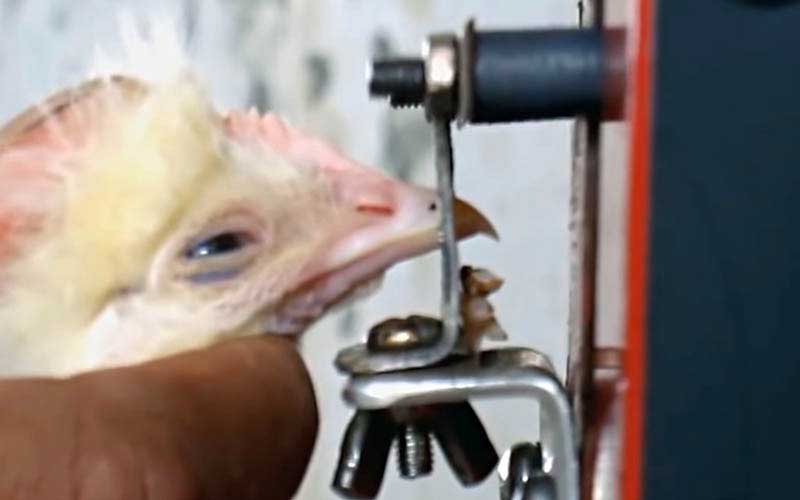
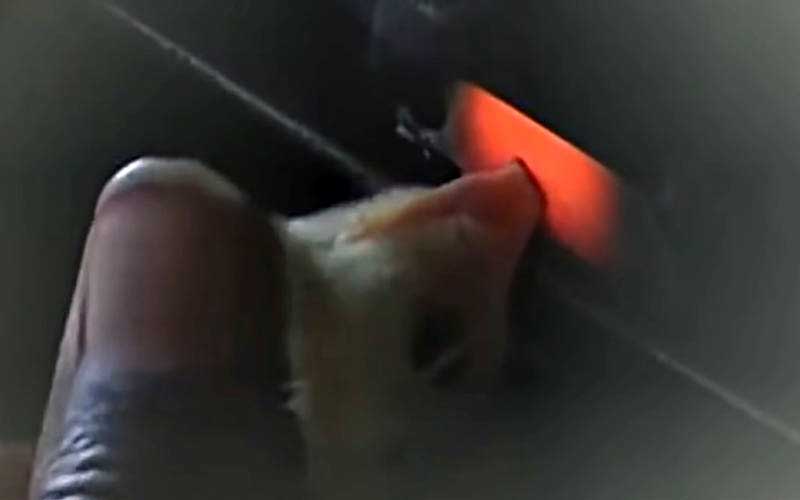
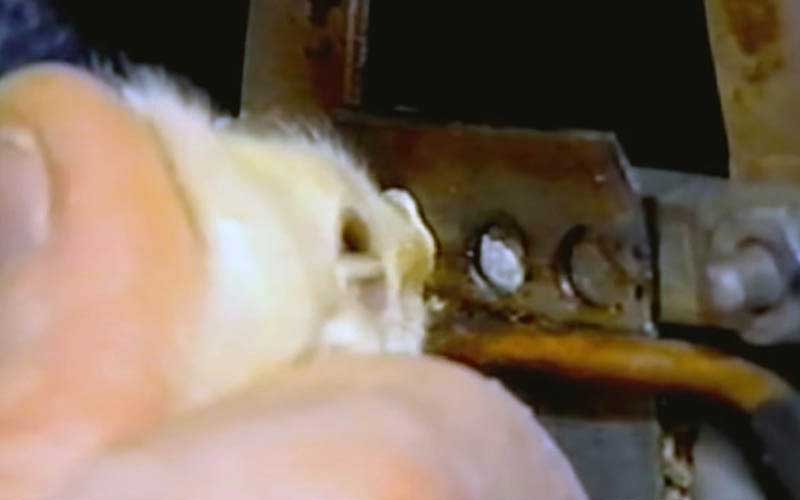
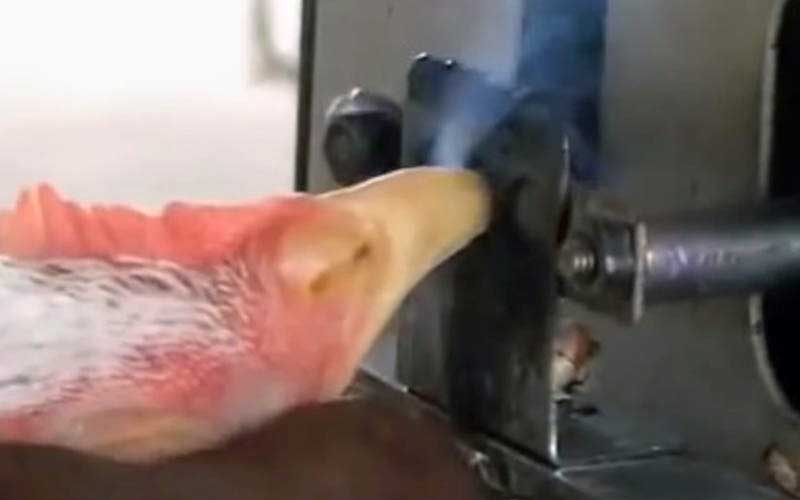
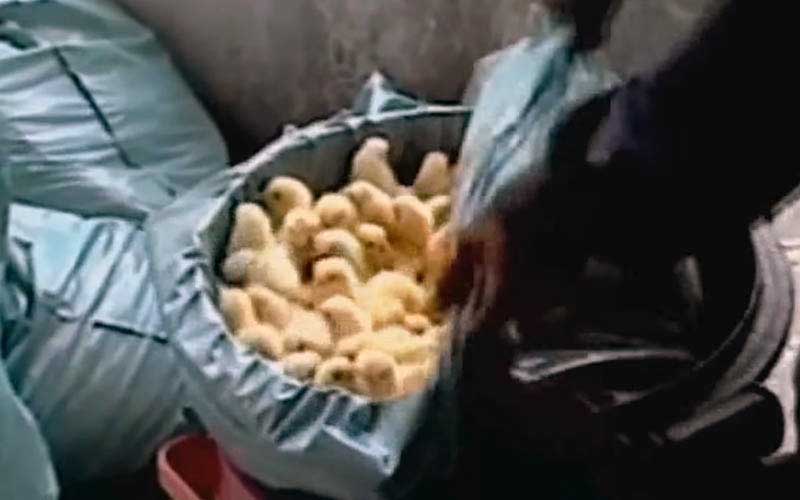
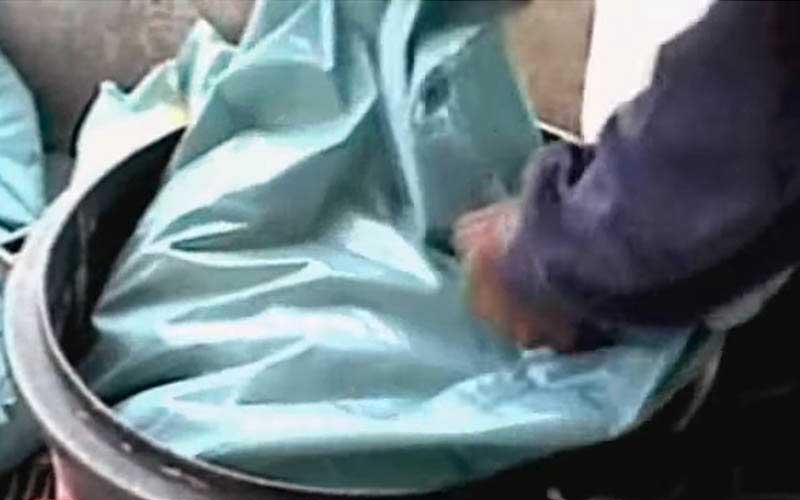
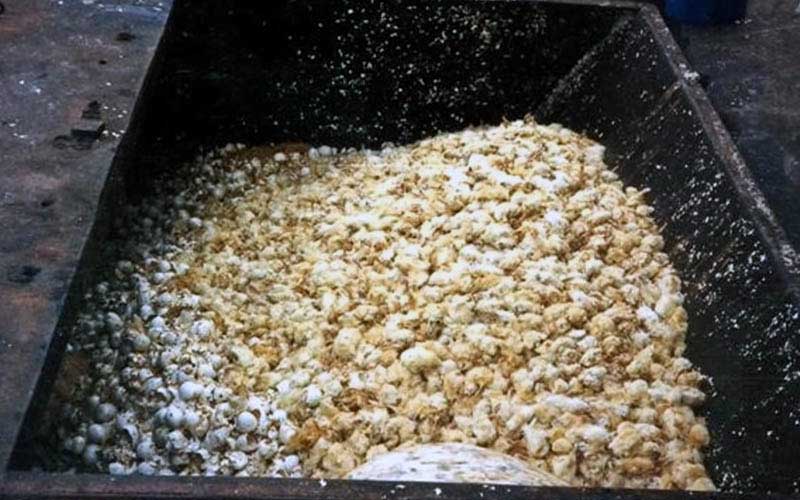
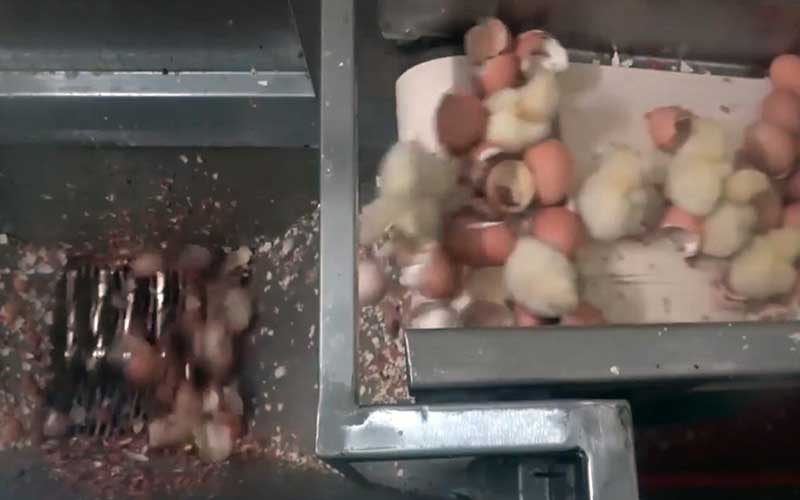
In hatcheries, male and female chicks are sorted. Males are, like male calves in the dairy industry, considered "waste" and are killed either by being crushed, macerated, gassed, drowned or suffocated in a bag. Females have their beaks cut with heated blades and sent to the farm.
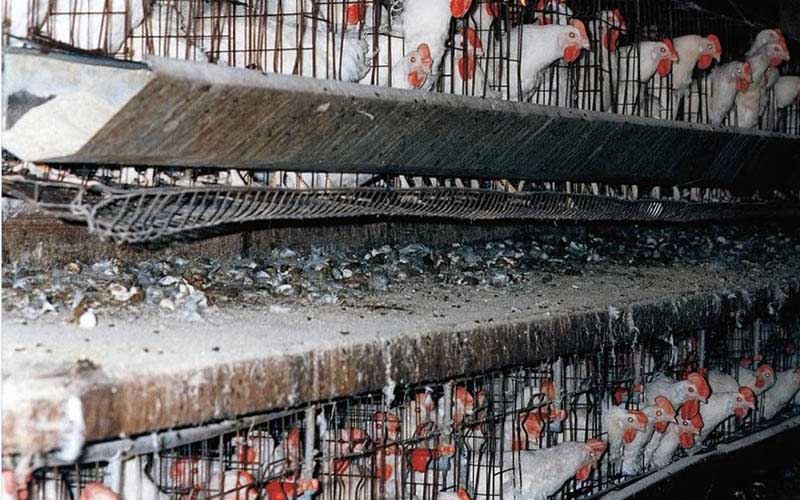
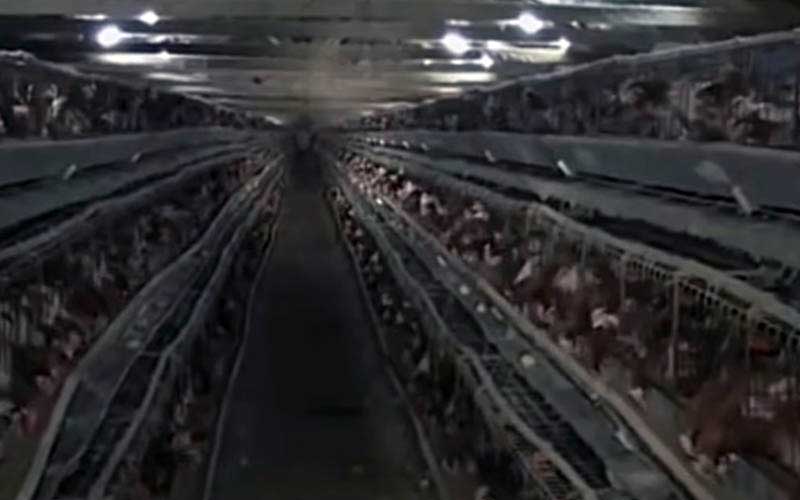
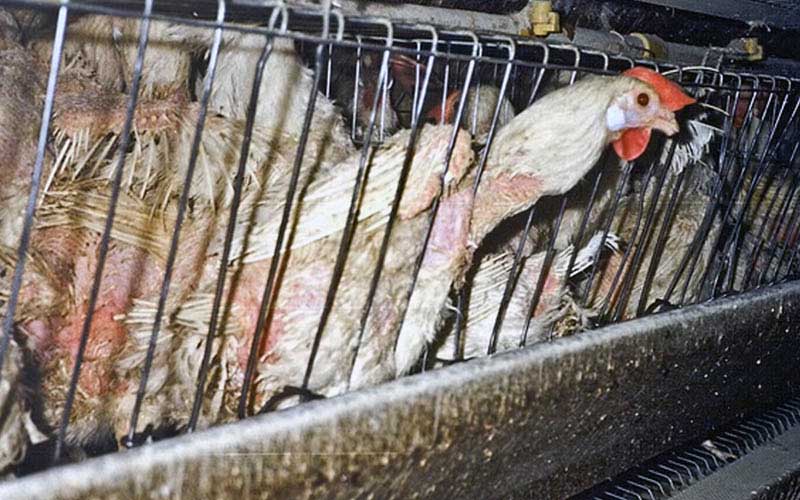
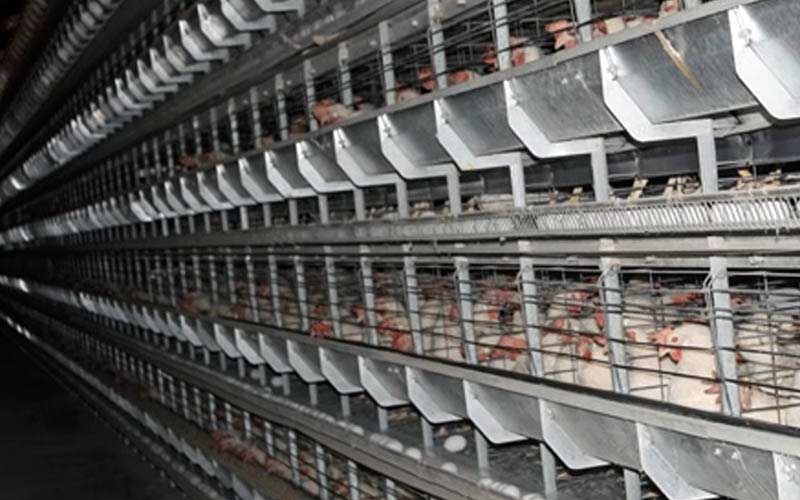
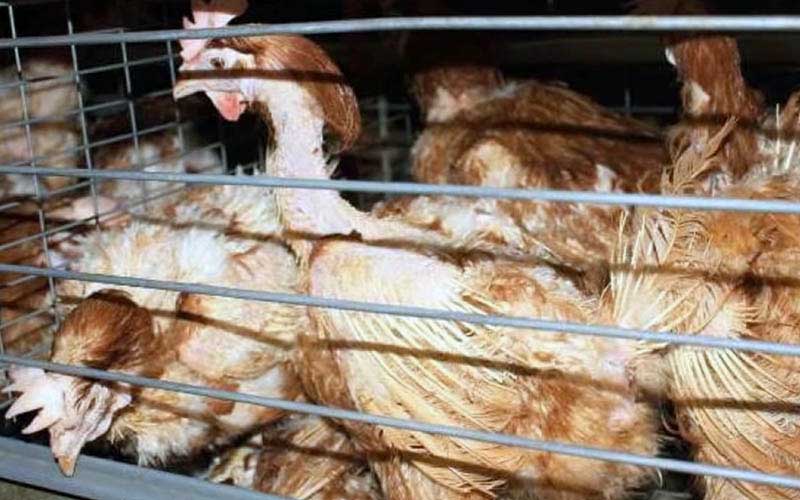
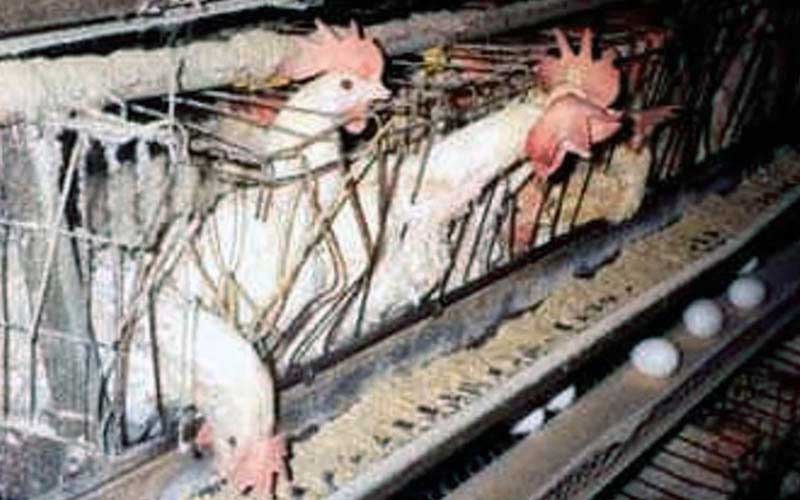
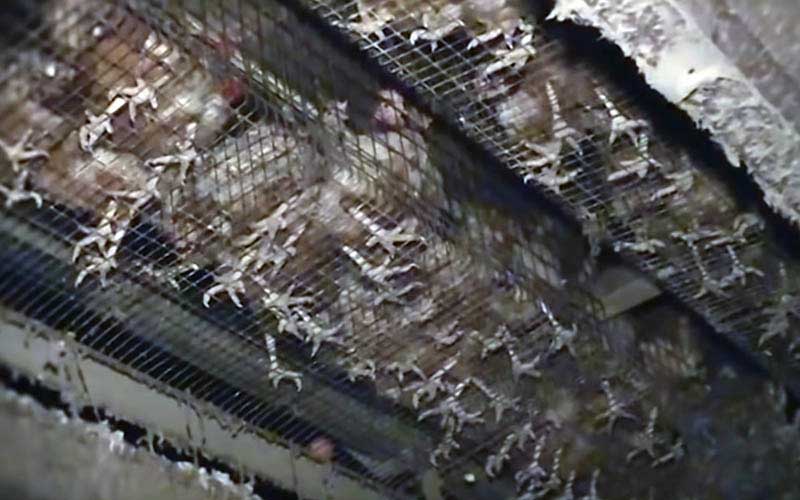
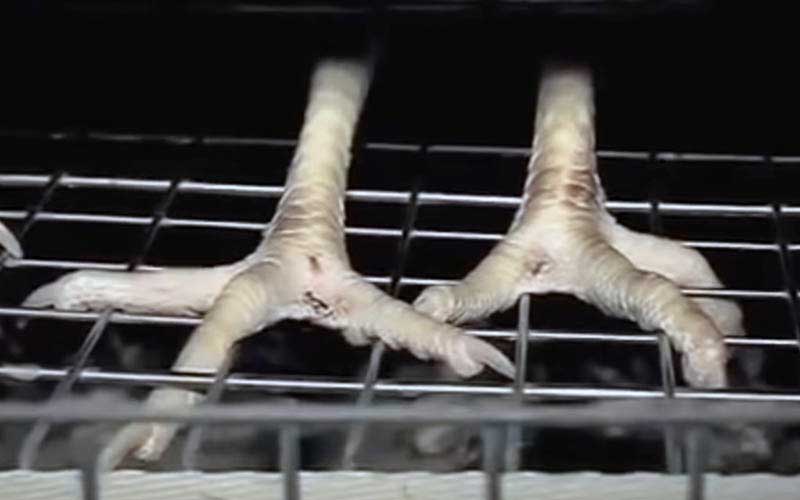
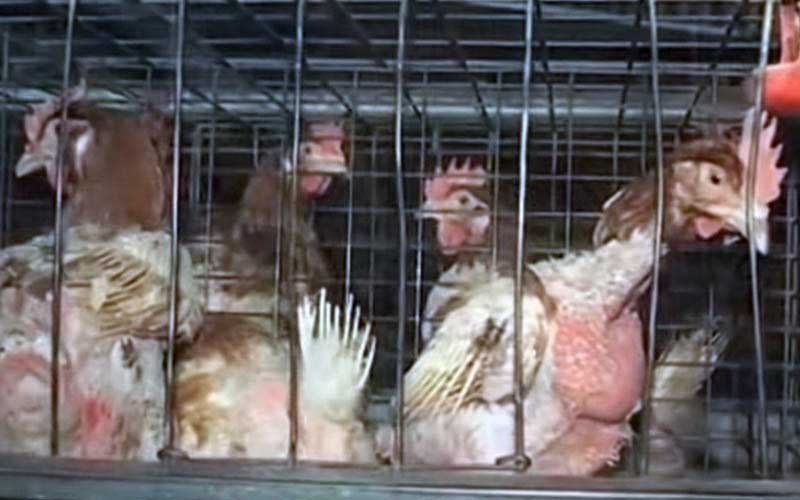
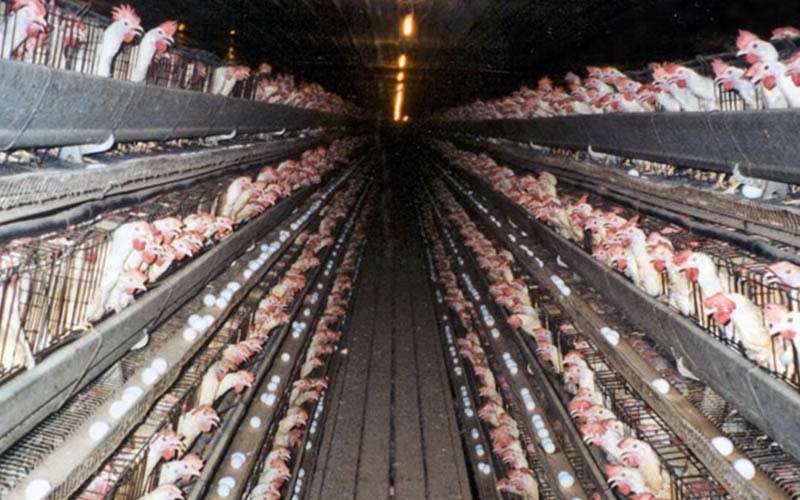
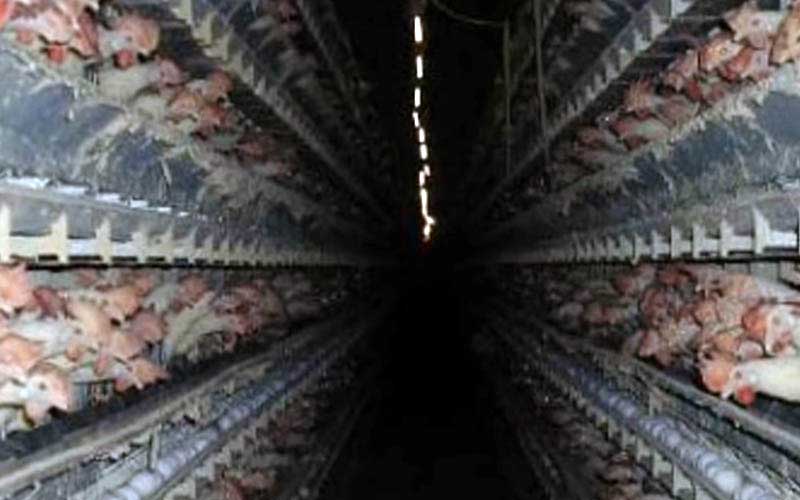
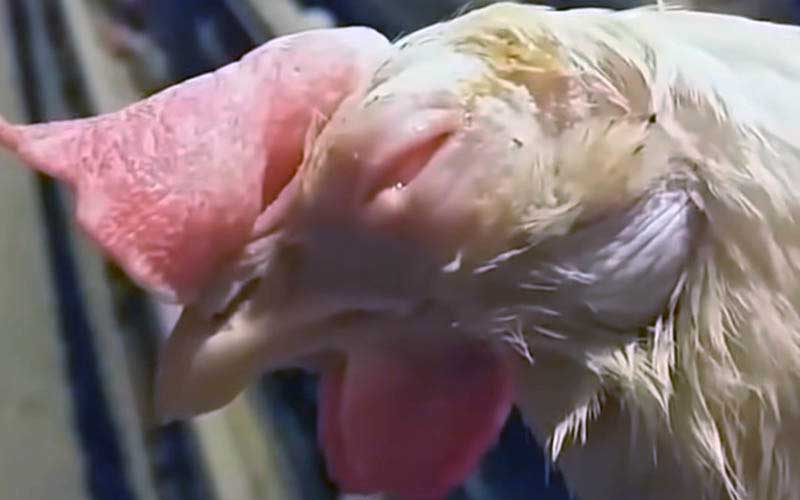
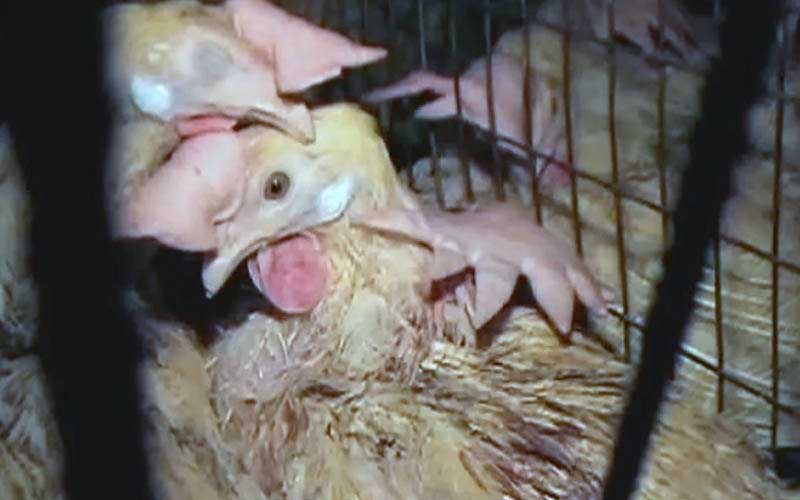
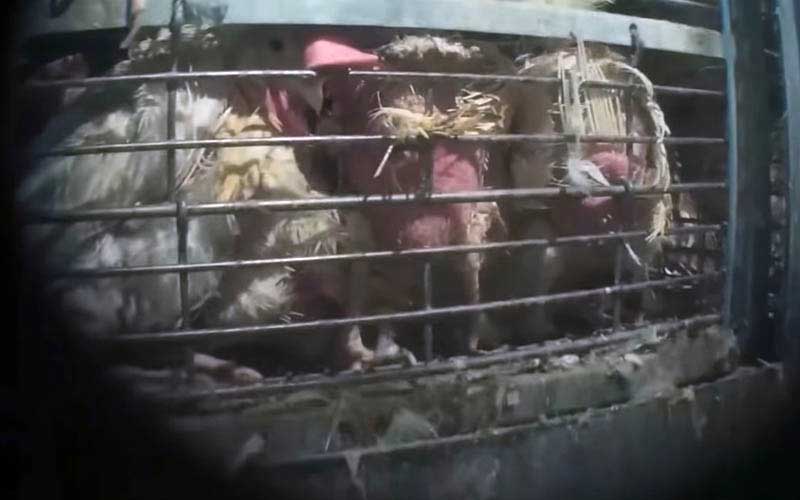
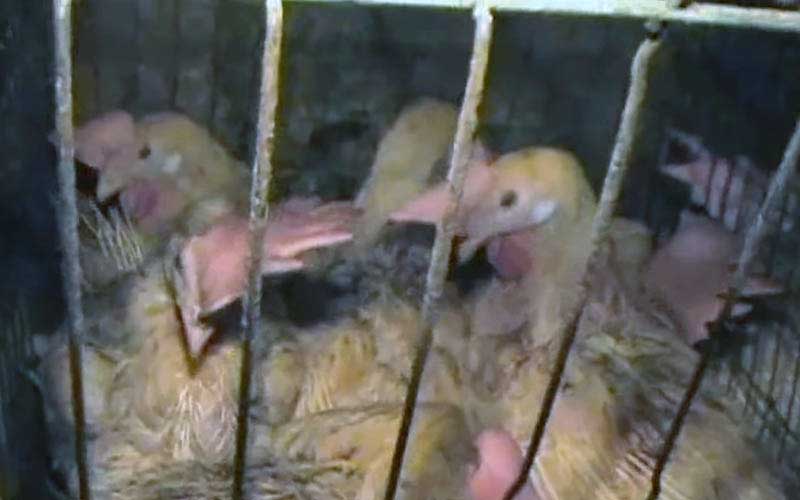
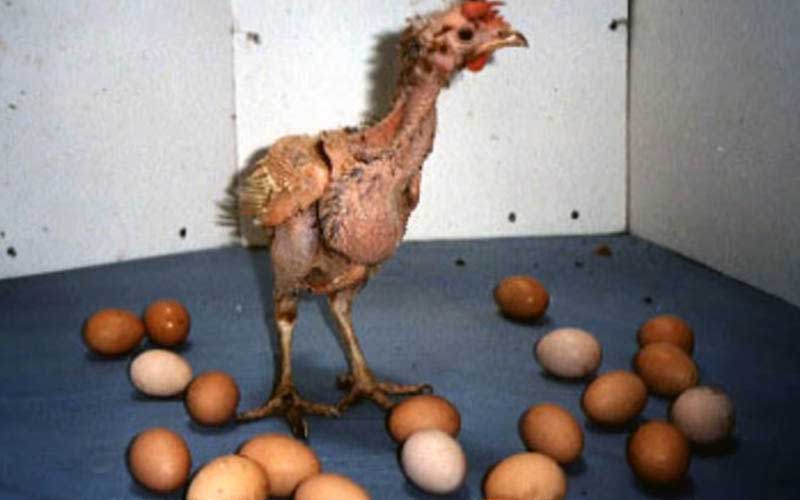
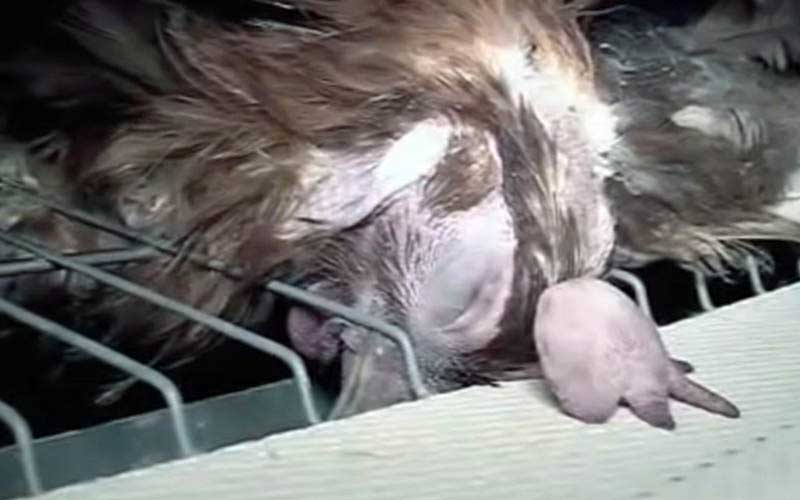
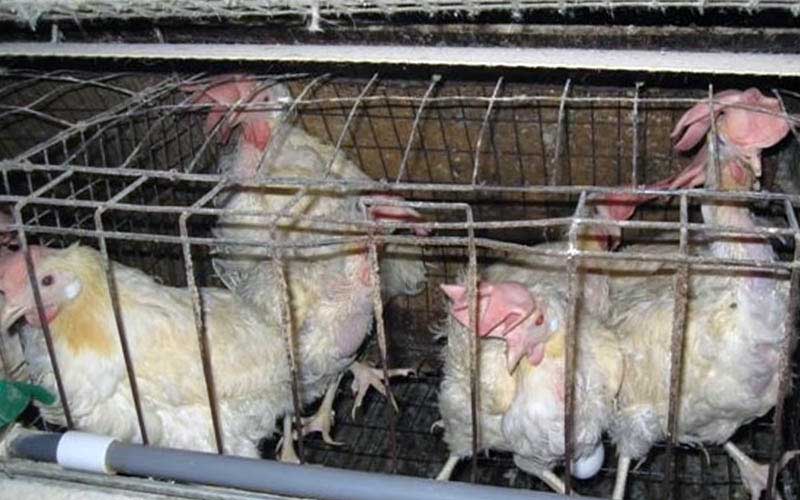
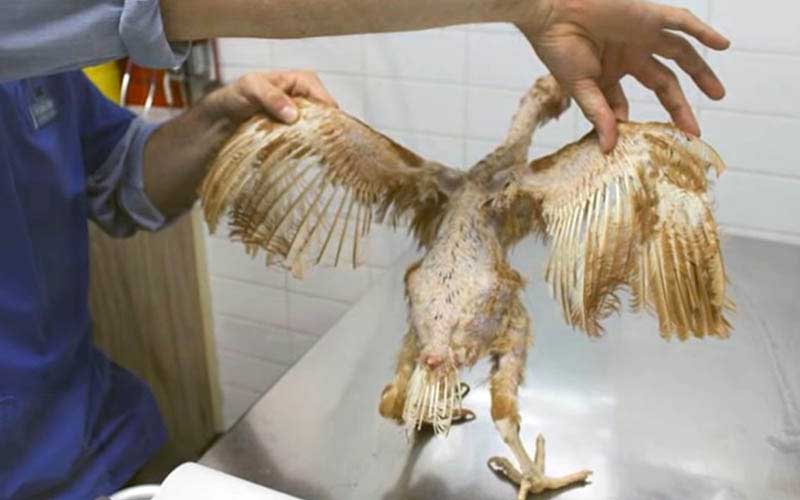
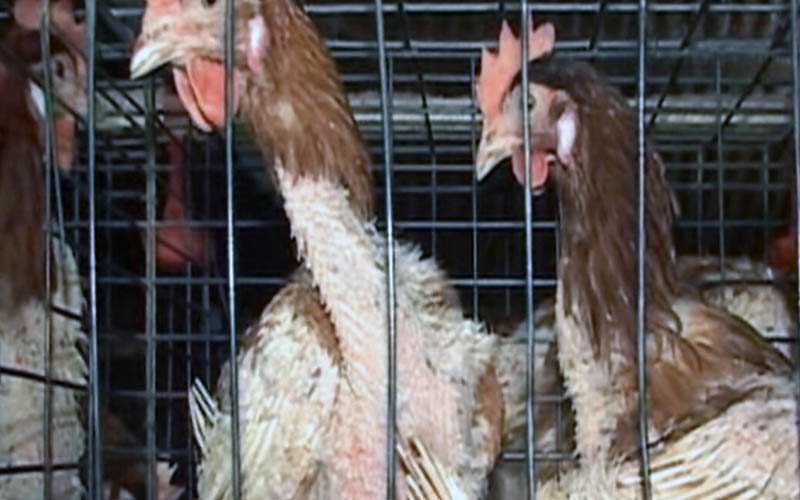
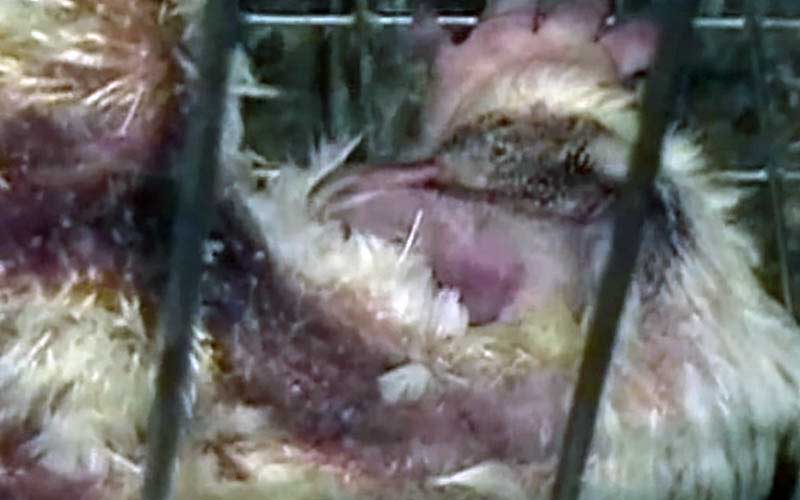
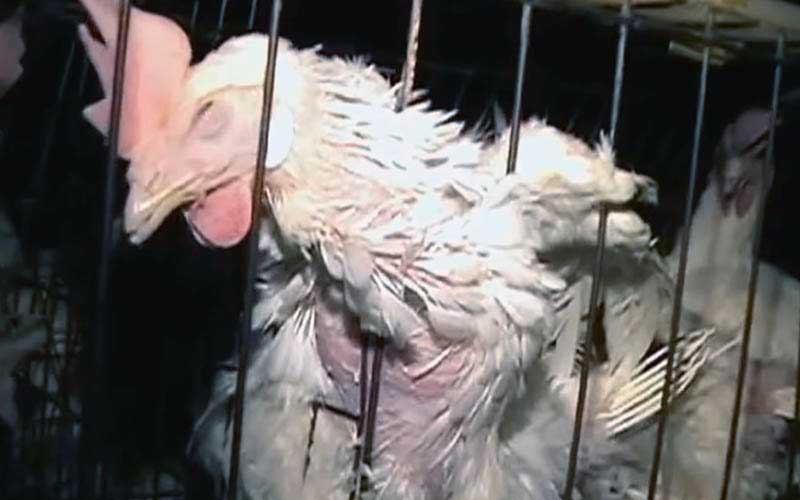
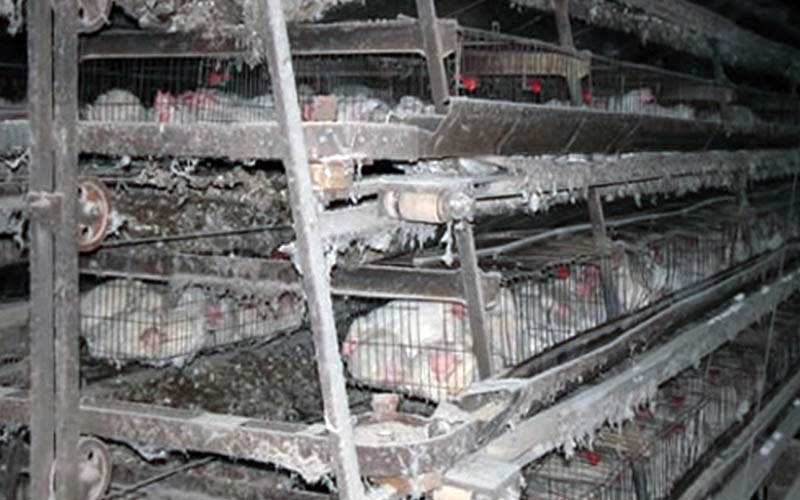
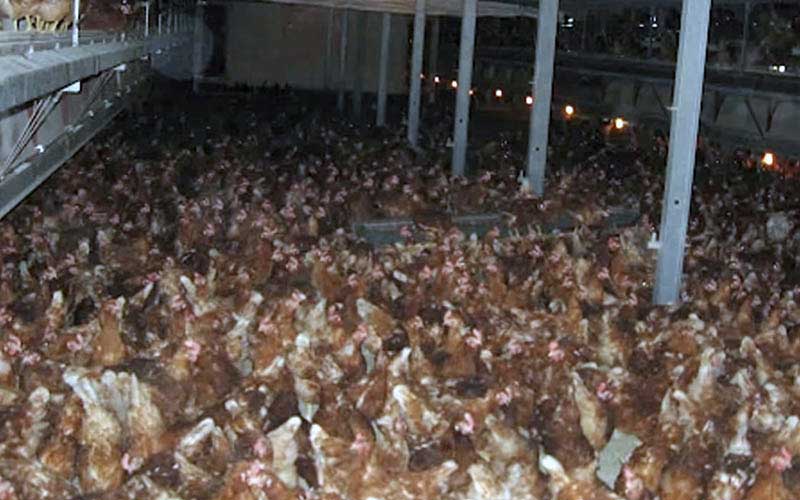
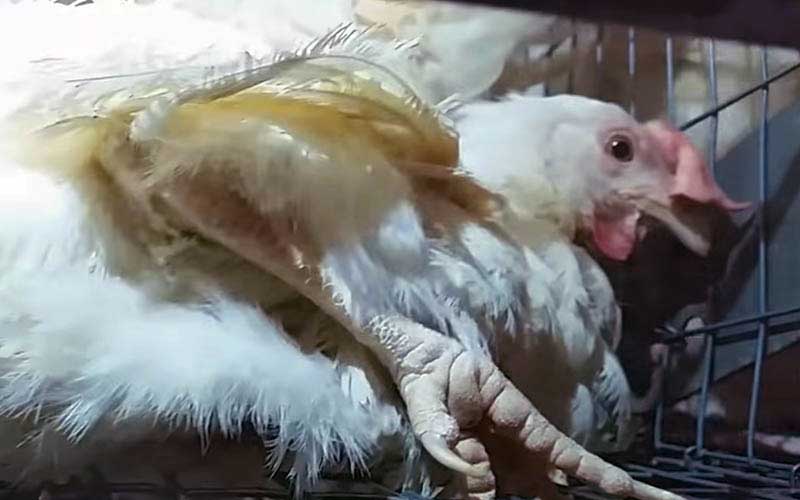
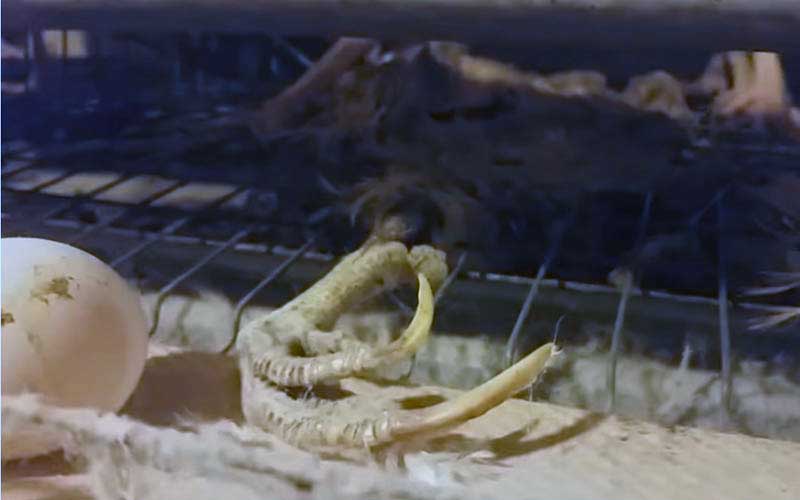
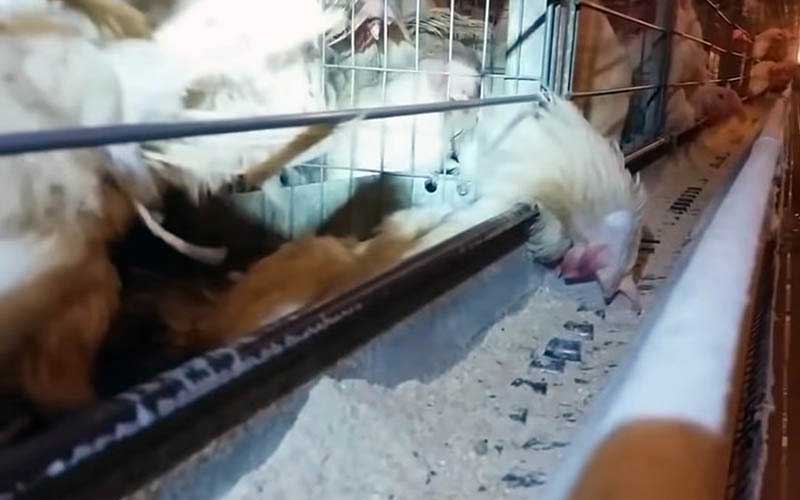
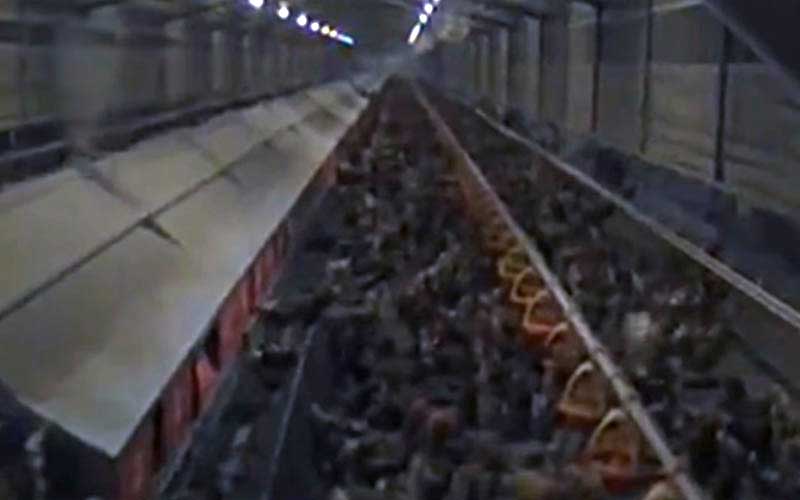
The standard conditions on egg farms are atrocious. Virtually all of the laying hens in the world live on factory farms in long, windowless barns with stacked battery rangers. More than 10 hens are crammed into a wire cage, often unable to spread their wings. Hens suffer from deformities of the feet and nails from metal mesh, injuries, illnesses, as well as loss of feathers caused by physical and psychological stress. These overcrowded conditions and the accumulation of droppings create an accumulation of toxic gases, especially ammonia. So eye infections, viral infections and upper airways are very common. Dozens of birds are often found dead and not collected.
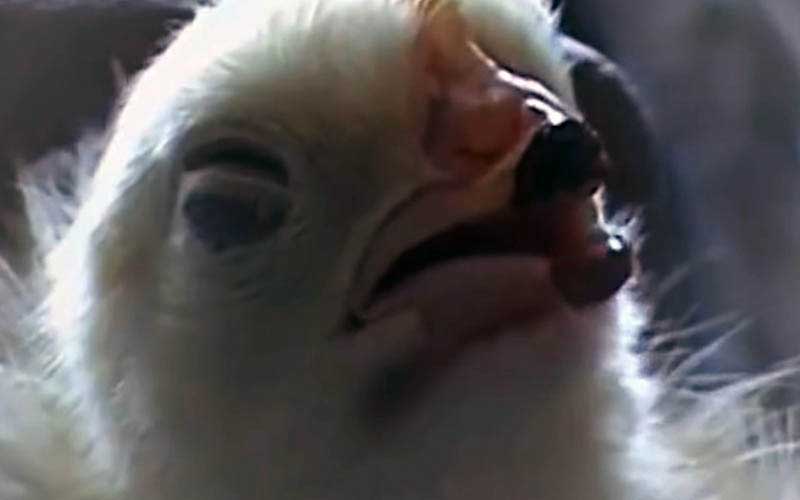
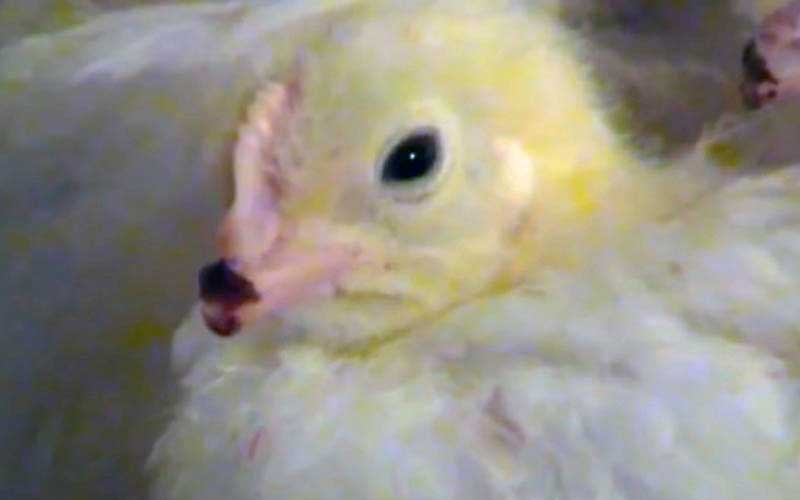
Even in organic free-range farms, it is quite common to cut the chicks' beaks, using a razor blade, a hot blade or an infrared laser at a temperature of over 800 ° C. The hen's beak is a complex functional organ with extensive innervation, with receptors that send pain and danger messages. As a result of this operation, many birds are unable to eat due to pain and die from dehydration, starvation or weakened immune systems.
Others show signs of pain from beak trimming (which warns these birds of their natural stress response such as tearing their own feathers), which is almost always done without any anesthesia, such as: pecking, activity, social behaviors and increased sleep times. Several biochemical, physiological changes occur in the remainder of the beak, after the severing of several peripheral nerves in damaged tissue causing the onset of acute and chronic pain and, often, persistent lethargy, protective behavior, reduction of diet and the development of neuromas.
In order to produce the shell of an egg, a hen must mobilize almost 10% of the calcium stored in these bones. Hens have a natural tendency to consume them to supplement their nutrients, but beak mutilation prevents this behavior.
It is very common to starve hens, to shake their bodies into a rapid laying cycle, for as many as 5 days and up to 14 days, and this, three or four times. To maintain such an annual egg production, a hen will use an amount of calcium that is greater than its entire skeleton (30 times or more). This is why laying hens usually suffer from weak bones, fractures, debilitating osteoporosis, and even paralysis, because their bodies are constantly losing more calcium to produce the eggshell than they are. assimilate in their diet. A large number of chickens suffer from fatty liver disease or fatty liver syndrome caused by the constant overworking of liver cells to produce the fat and proteins necessary to make the egg yolk.
The life expectancy of a chicken is 10 to 20 years. But in the egg industry, most hens are killed by the age of one and a half. After an average of 12 to 16 months of rapid egg production, when the hens become too weak, too fragile to stand, or whose bodies are too weak to lay more eggs, they are liquidated or sent to slaughter.
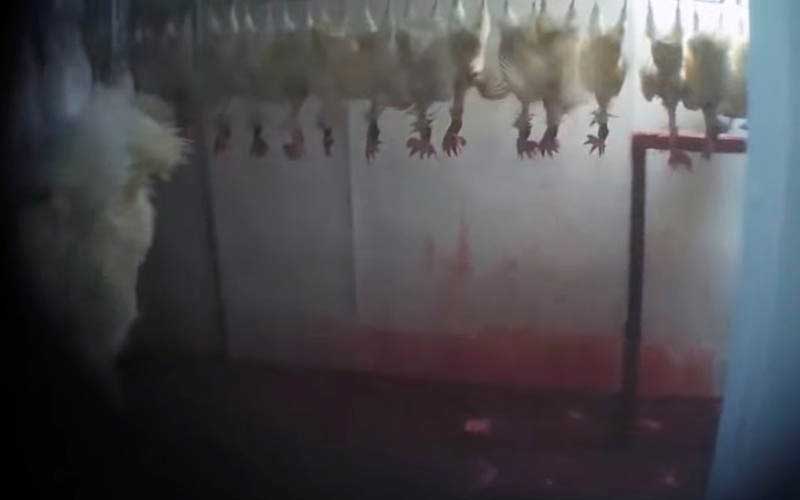
They are crammed into small crates, thrown in the back of a truck and taken to slaughter, where they will undergo brutal execution (in developed countries this is usually done by being thrown into an electric bath to be stunned. inefficiently, then hoisted upside down and along a treadmill to have his throat slit). Many hens will remain fully conscious after their throats are slit and are then boiled alive. They usually end up in cans of soup, chicken stew, or other chicken products where their bodies are cut into small pieces to hide bruises and deformities from consumers.
Even in the best "human", "organic" or "free" farms: as soon as the production of eggs per hens decreases and it is no longer profitable to keep them alive, they are killed and their flesh is sold. For the tens of thousands of chickens that are too deformed, do not have enough muscle tissue, or have already died by other methods of disposal such as chopping live birds, gassing or dumping in fields , a common industrial practice.
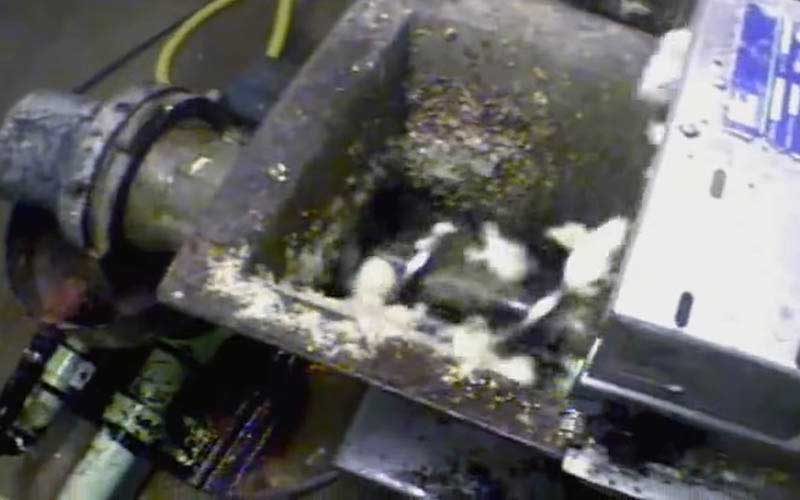
The egg industry is also using the "Jet Pro" system to turn profitable hens into animal feed. They take the birds and powder them at the site with a portable grinder. The minced hens are put in the "Jet Pro" extractor, then in the "Pellet Pro" pelletizer. These pellets made from dead hens are then sold to feed farm animals such as cows, pigs and other chickens.
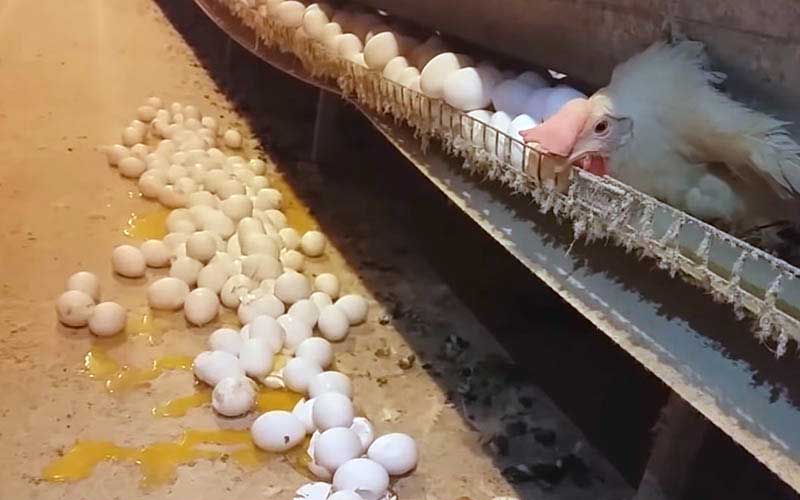
Taking eggs from the hens repeatedly causes the hens to lay more, which can damage their reproductive system. In the egg industry, they have been genetically modified and fed to lay 200 to 350 eggs per year, while naturally, in the wild, those that have not been genetically modified, would lay only about 20 eggs per year. , with the aim of reproducing. Like female mammals, they have reproductive cycles and ovulate about 12 times a year. By interfering with the hen's natural process of brooding, protecting and nesting with her eggs, protecting and nesting the hen with her eggs, and constantly collecting them, their body responds instinctively by producing more eggs.
For hens, the process of egg production and laying is a delicate and grueling reproductive process. The physical consequences hens face from continuously laying eggs are devastating. Since the chicken's egg is designed to develop into a chick, it requires many nutrients, especially calcium, to form the shell. Ovarian prolapse and cancer caused by overactivity, and rapid aging of the reproductive system are extremely common and cause premature death in laying hens. It's the same for those survivors of the egg industry who were lucky enough to live free in a sanctuary on green grass and in the sun.
Many hens suffer from "egg binding" where the eggs get stuck in the reproductive tract and block their oviduct infections broken eggs inside their bodies (egg yolk peritonitis). Although the reproductive cycle of a hen and a woman are not exactly the same, physical exhaustion and depression in a young girl is similar to laying an egg in a hen. So it would mean for a young girl to be forced to have her period almost every day of the year.