





Potentially sensitive content.
Fish 
Fish are not plants. We now know that they can use tools (water, soil, aquarium), recognize their peers, adjust their behavior in the face of different individuals (humans or other fish) that they have distinct personalities and emotions. They have a long term memory. Their ability to suffer is no longer in doubt. Fish kept in captivity are susceptible to depressions.
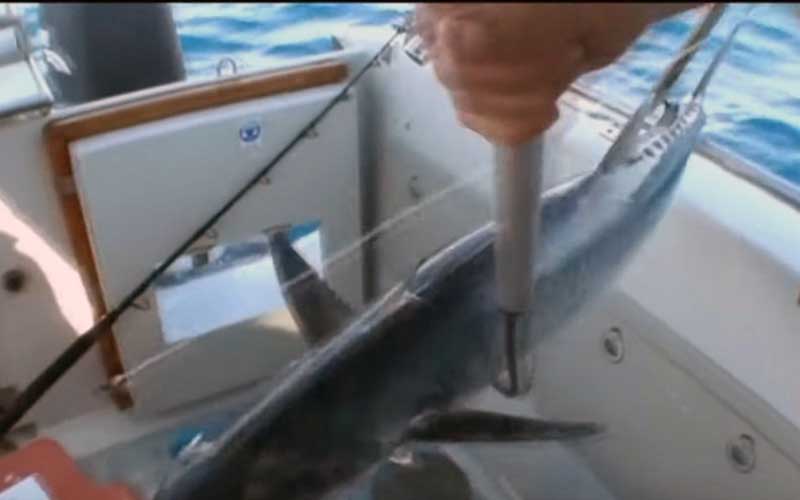
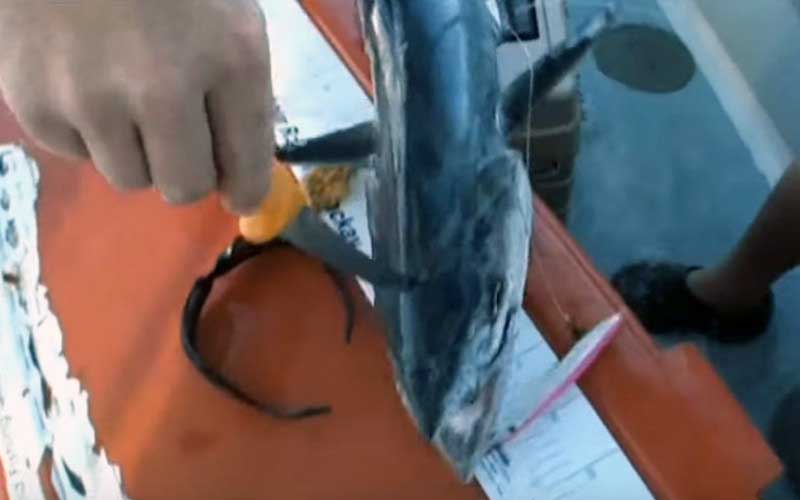
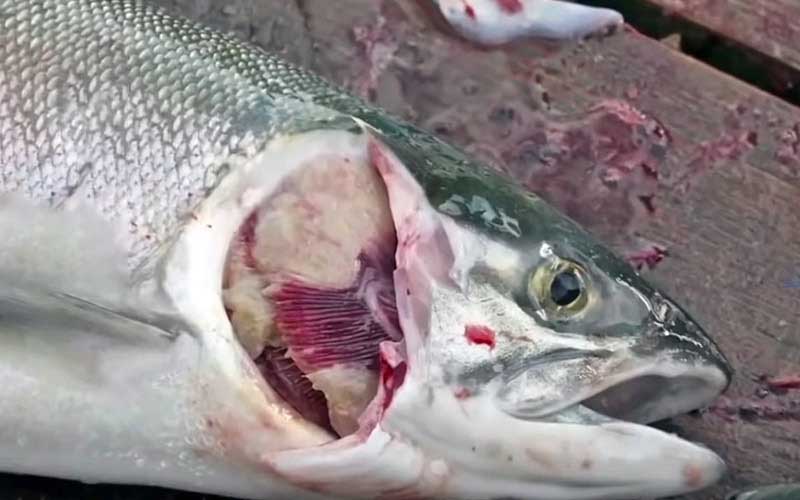
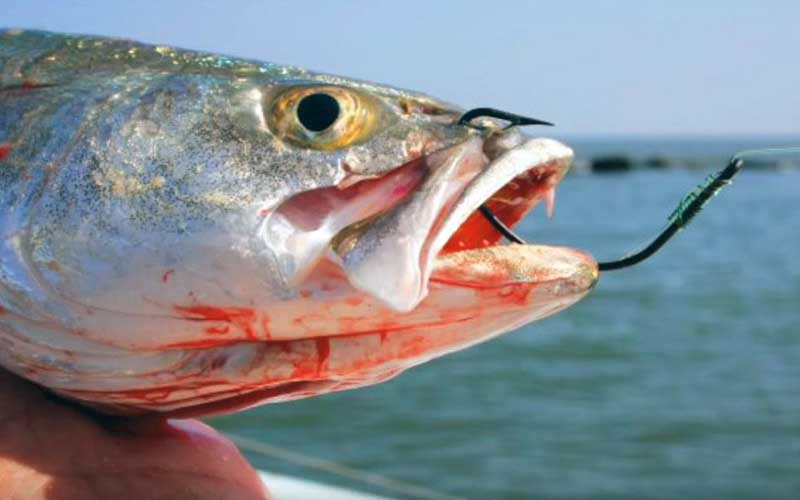
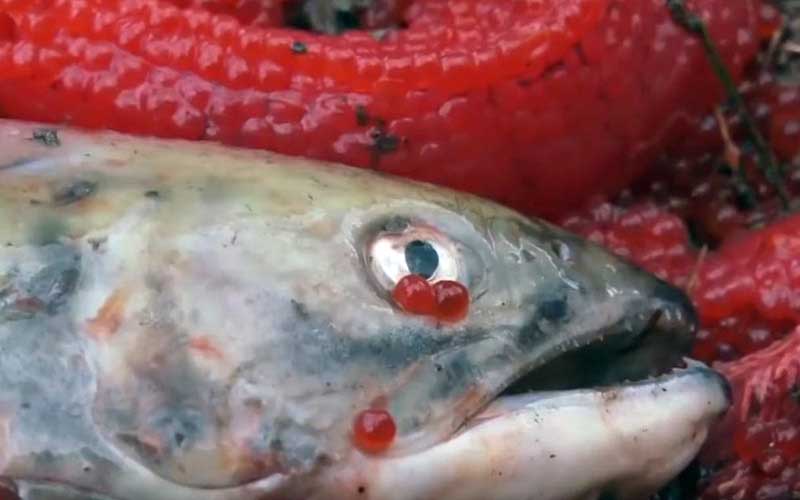
Fishing is a cruel hobby. With their mouths pierced by a sharp metal hook, pulled out of the water, seized with convulsions and struggling in an environment that does not allow them to breathe, they are killed instantly, left suffocating or thrown into the sea traumatized and sometimes fatally injured, the fish suffer excruciatingly at the hands of fishermen. When pulled out of the water, the fish start to suffocate. Their gills collapse, their swim bladder can tear from the sudden change in pressure. This experience is truly horrible for animals, who just like us feel pain. The duration of the agony varies depending on the species, the treatment, but also the temperature. It can last from 25 minutes to 4 hours.
Anatomically, physiologically and biologically, the feeling of pain is almost the same in fish, birds and mammals. Studies have shown that fish that are caught and then released suffer from severe physiological stress, so much so that they often die from the shock. Fish often swallow hooks. Fishermen try to get them out of their throats by putting their fingers or pliers in it, pulling not only the hook, but also the throat and intestines of the fish at the same time. When fishermen hold fish in their hands, it disrupts the protective layer on their body. All of this weakens them and makes them easy targets for predators once they return to the water.
Victims caught and then released may be more vulnerable to predators, unable to flee, or unable to repel attacks on their nest during nesting season. Some male keepers can indeed abandon the nest.
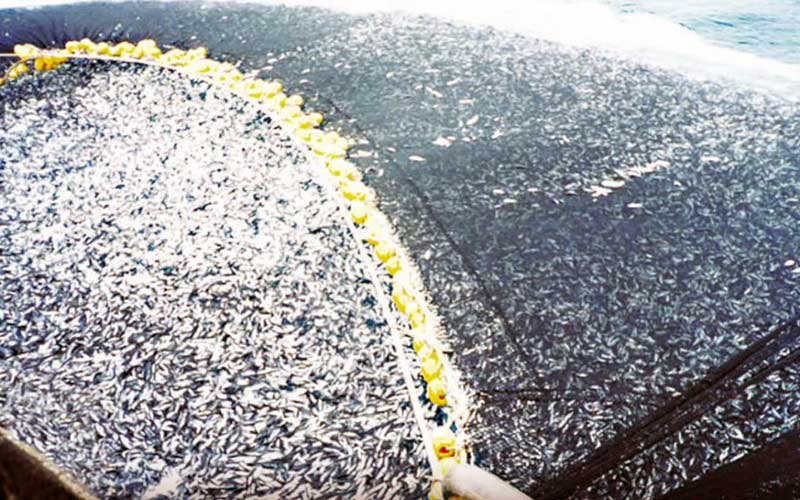
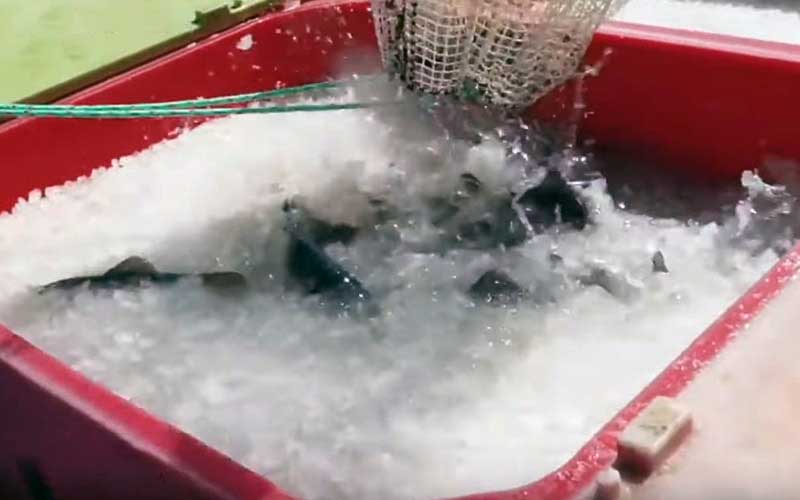
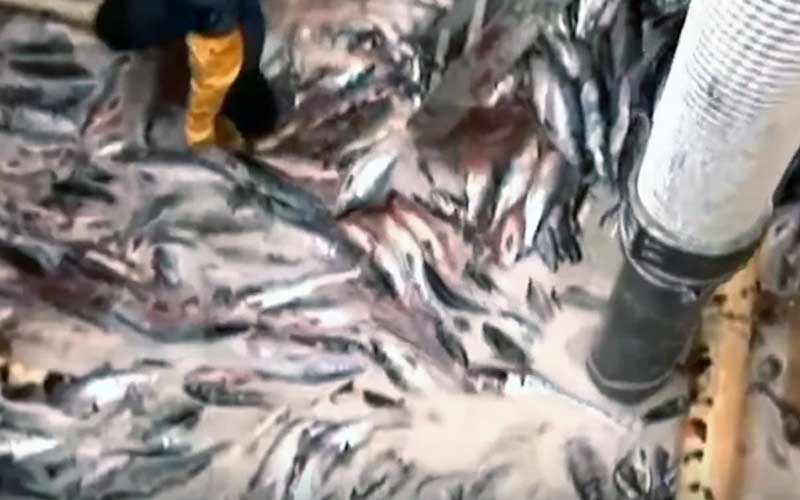
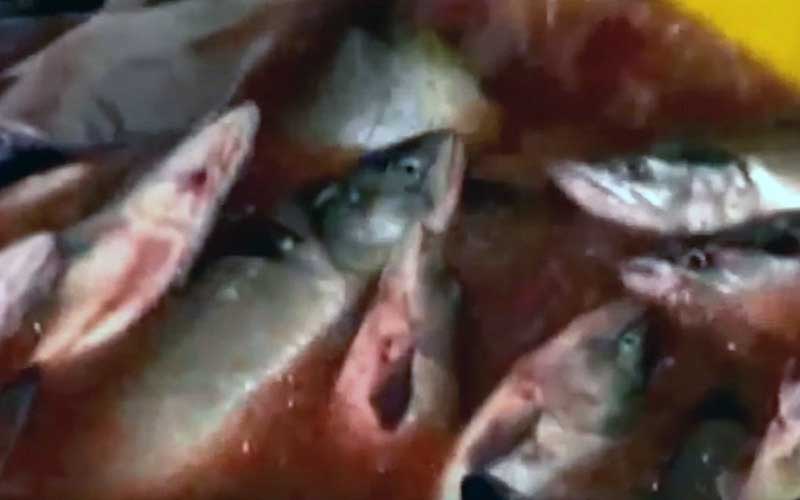
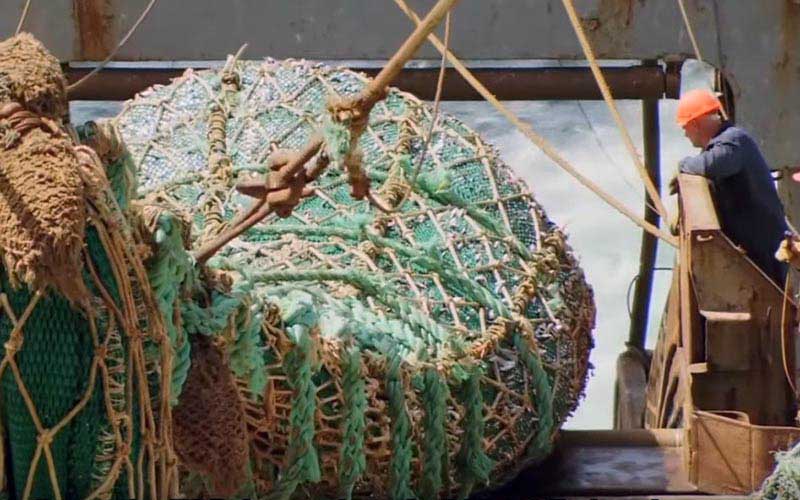
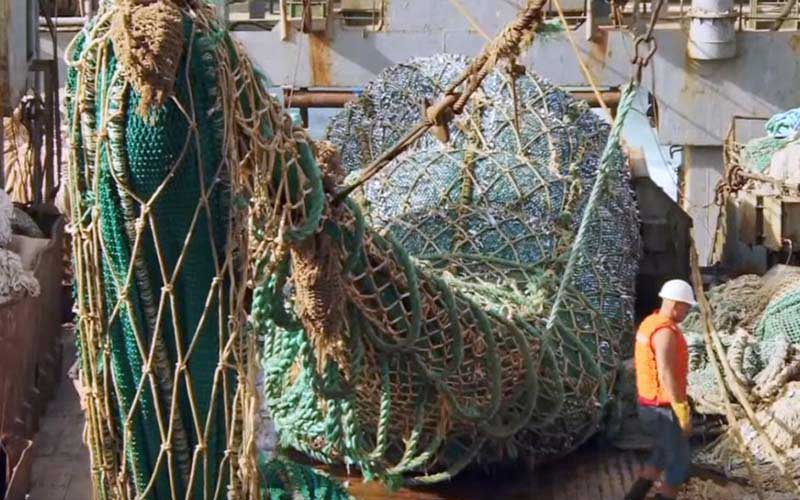
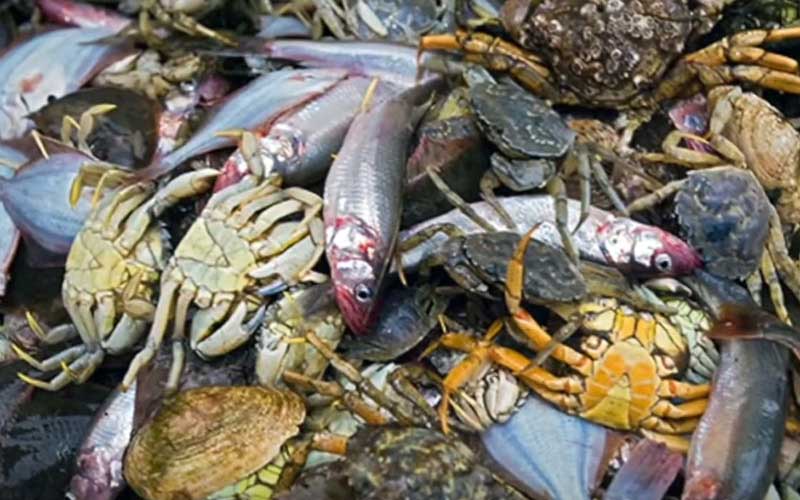
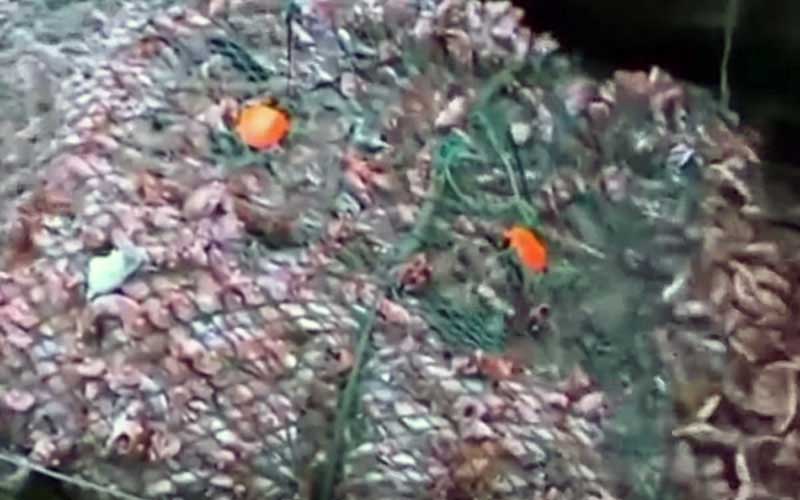
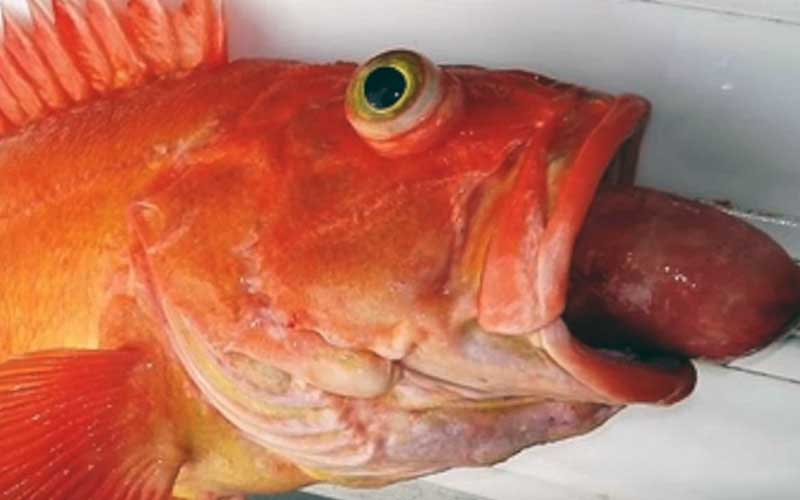
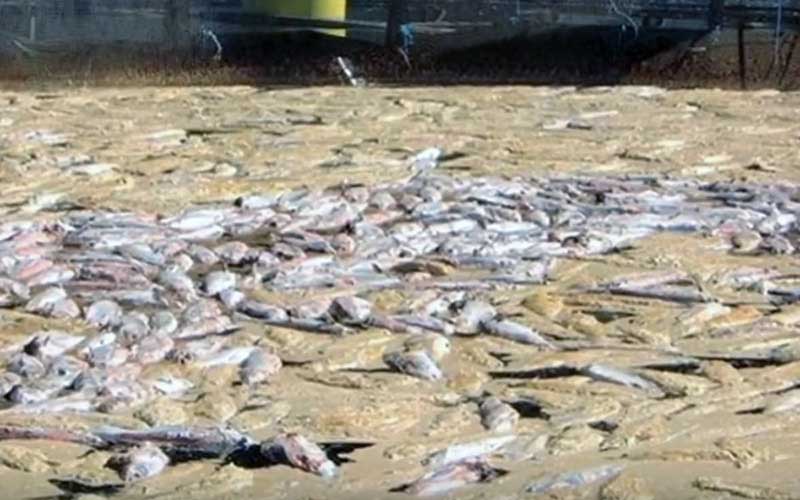
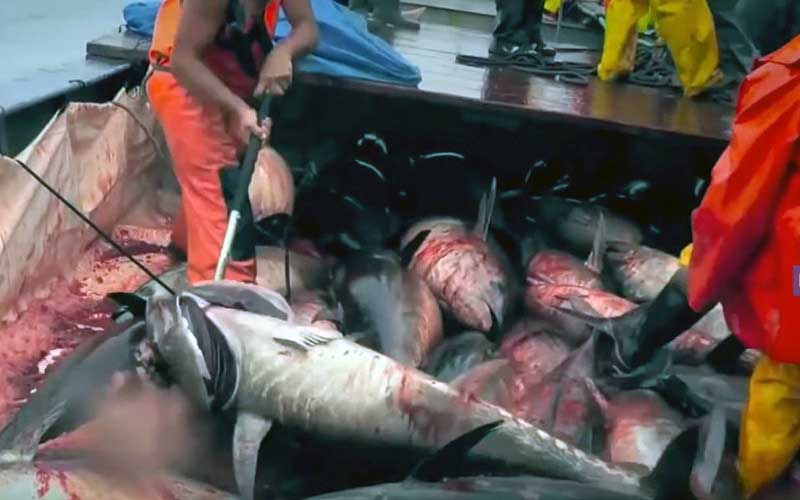
For every pound of fish caught up to 5 pounds of unintentional marine life is also caught, killed and discarded. Fish trapped in the nets cannot move and most are killed by either drowning or decompression, forcing their stomachs out of their mouths. They are therefore likely to die crushed in nets, suffocated on contact with air, or dissected alive. They can be quickly chilled even while they are still suffocating, a process that can both increase and prolong their suffering.
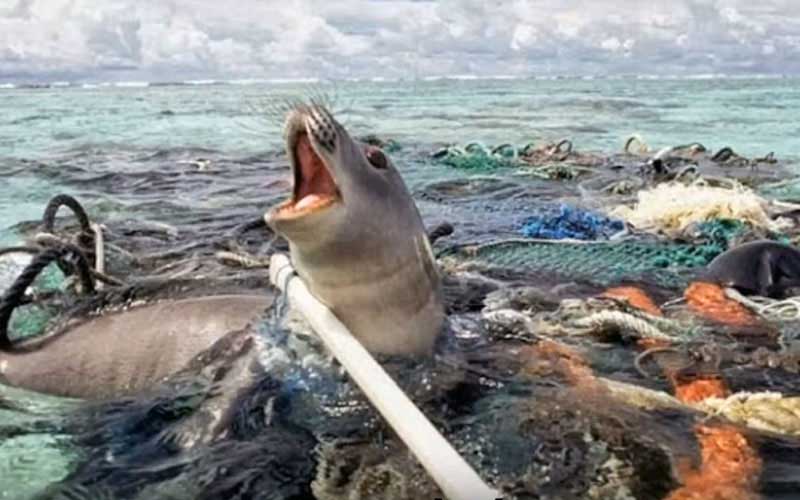
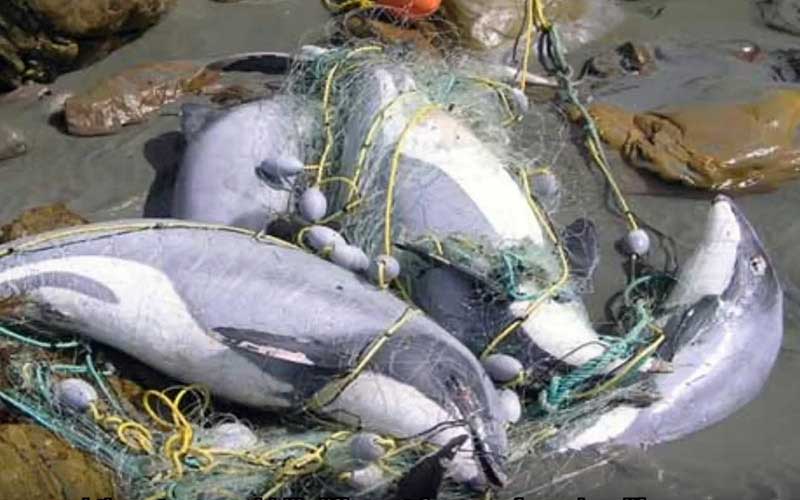
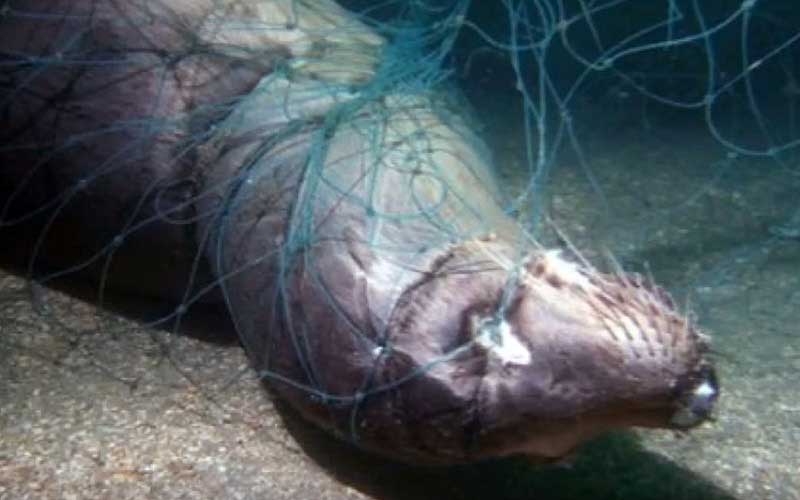
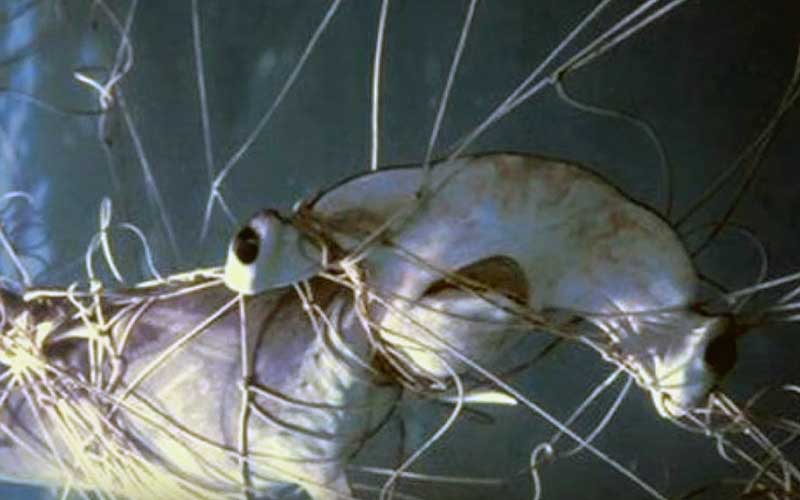
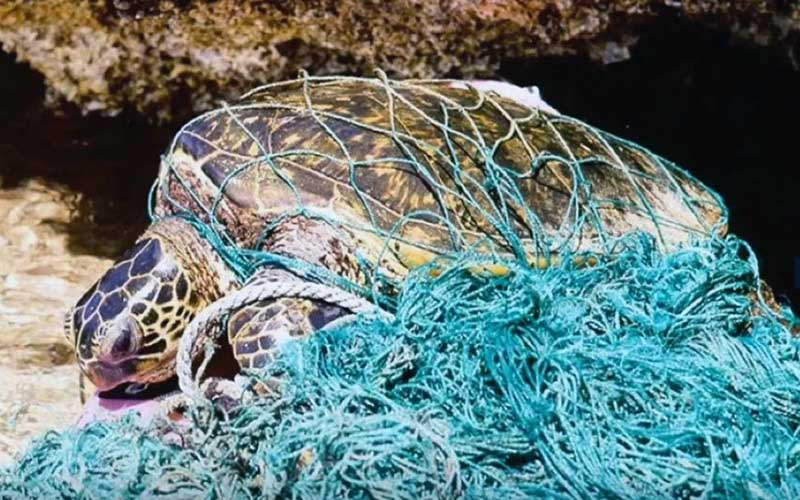
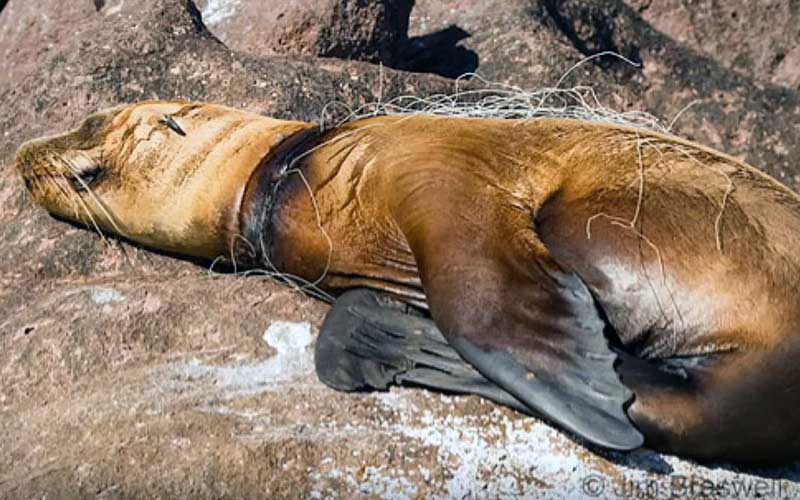
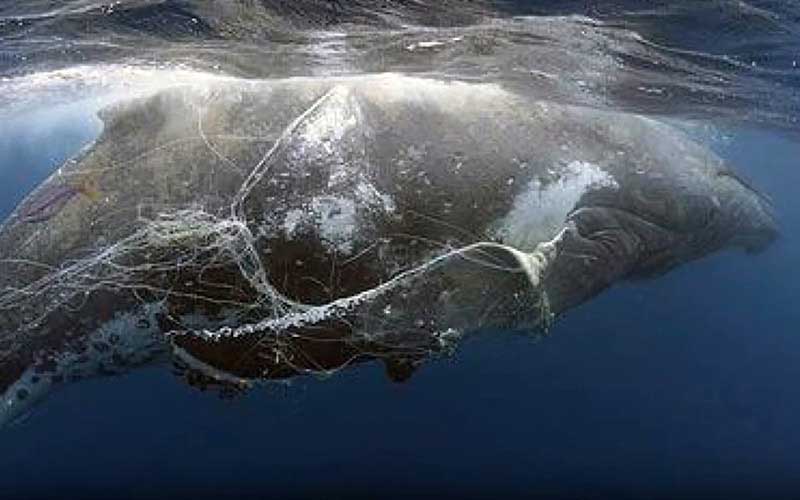
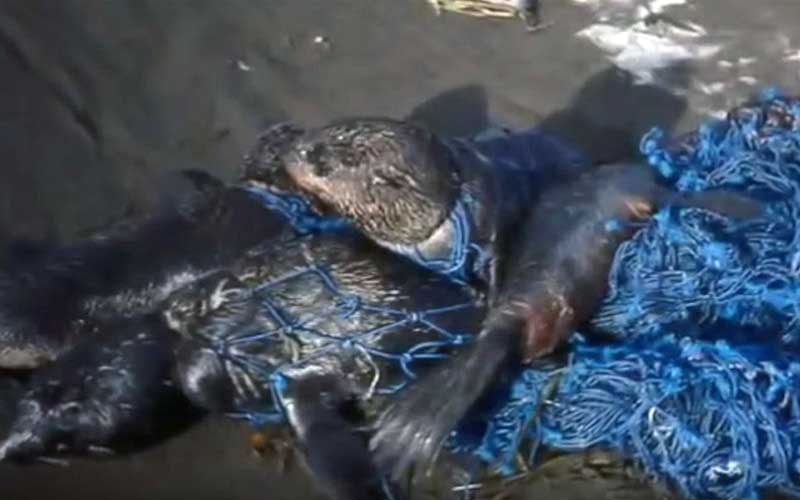
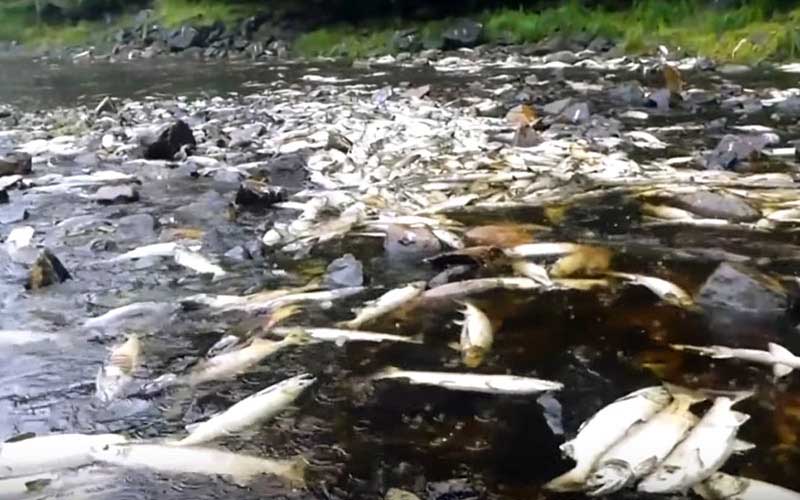
Discarded fishing nets, also known as ghost fishing, make up 46% of the plastic in the sea. They trap various life forms until they die.
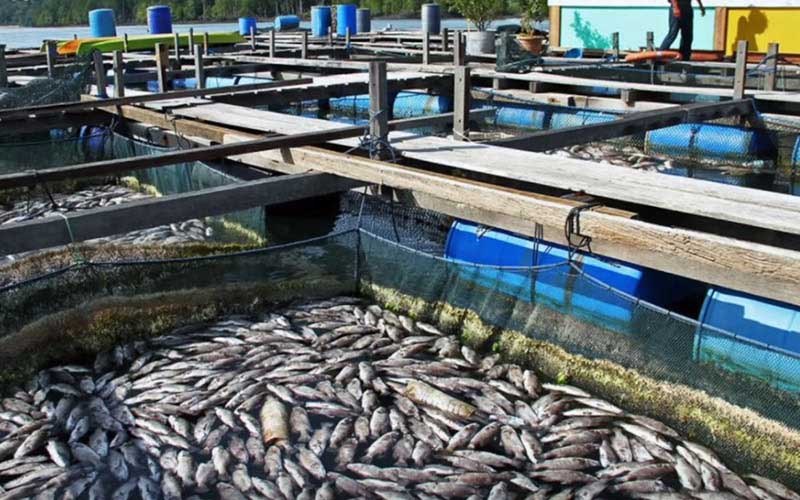
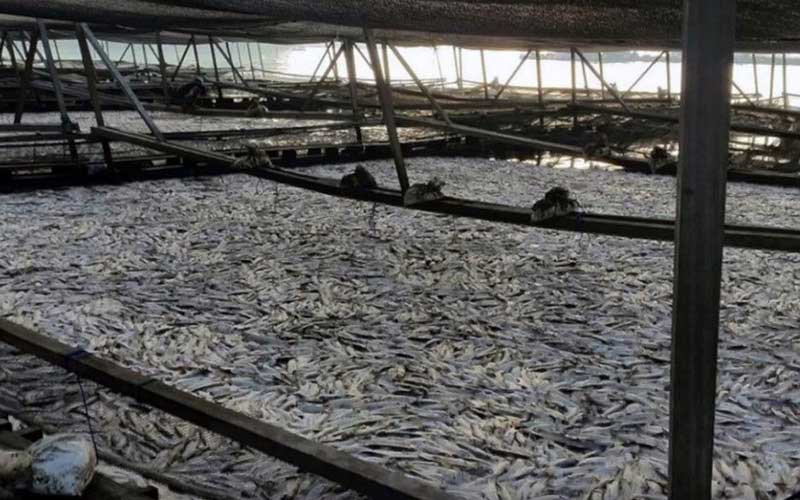
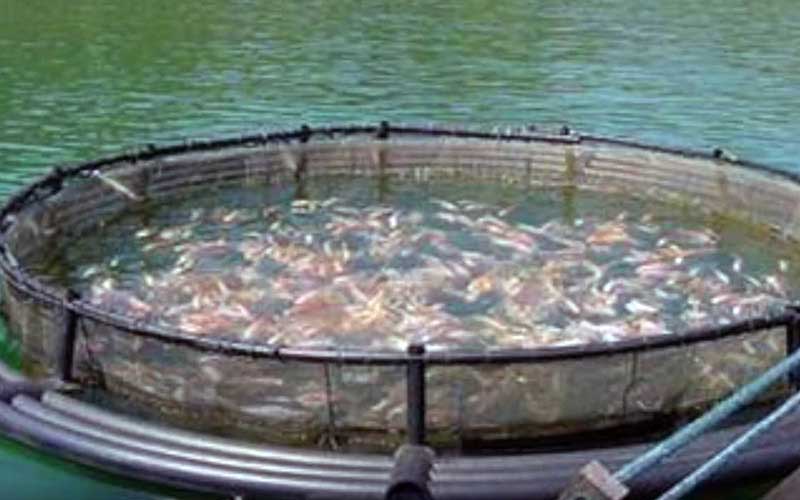
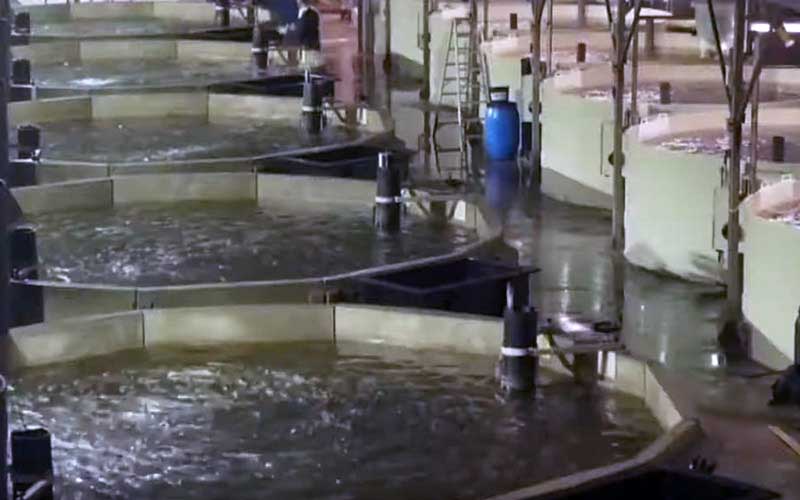
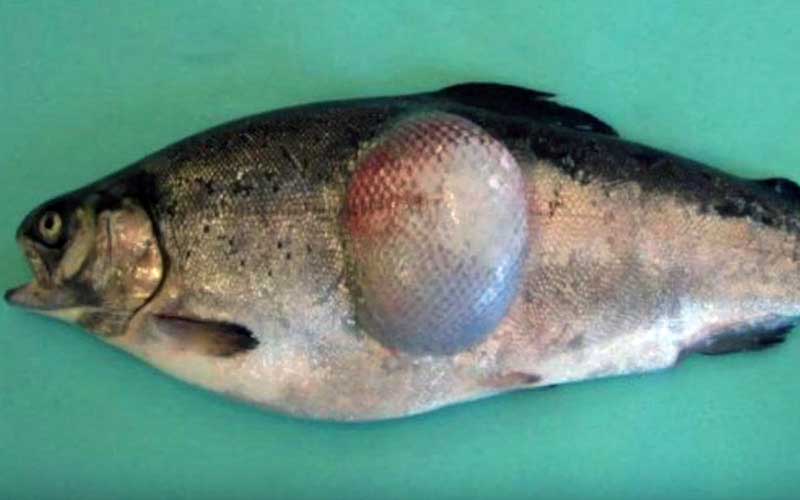
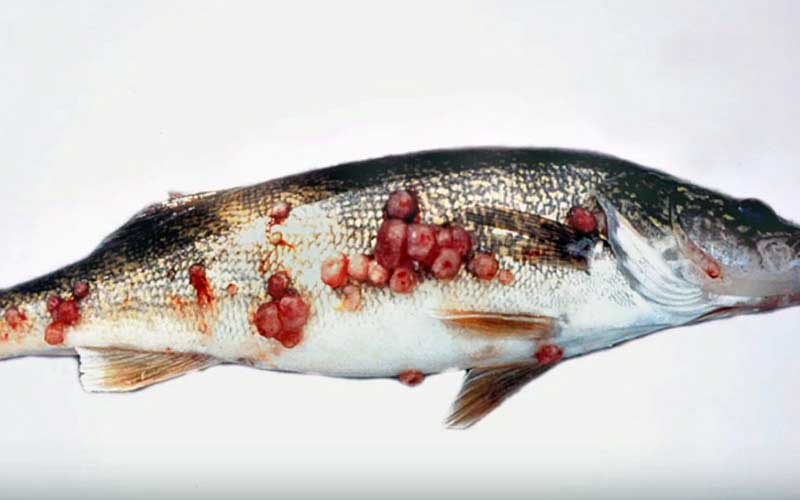
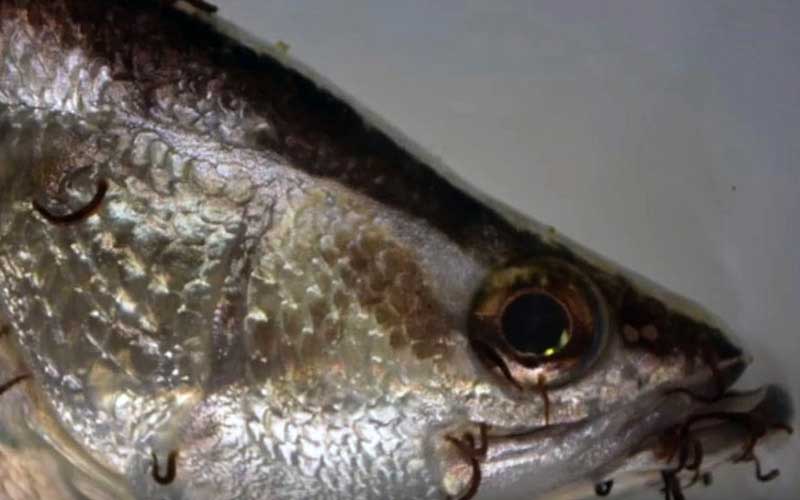
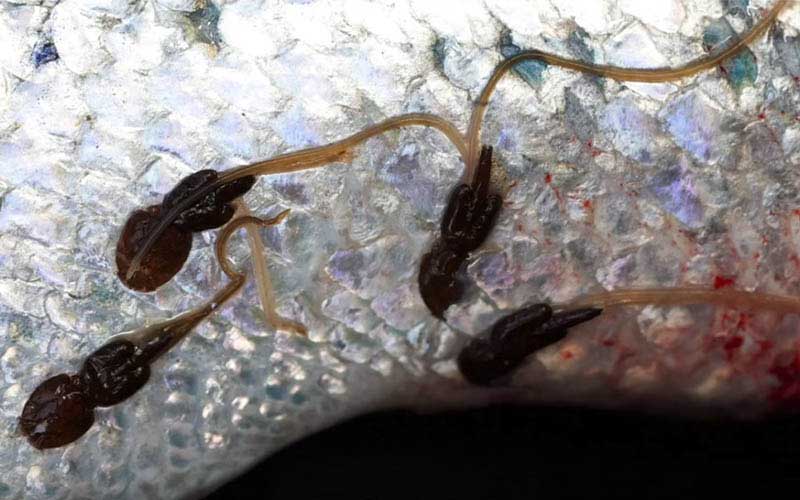
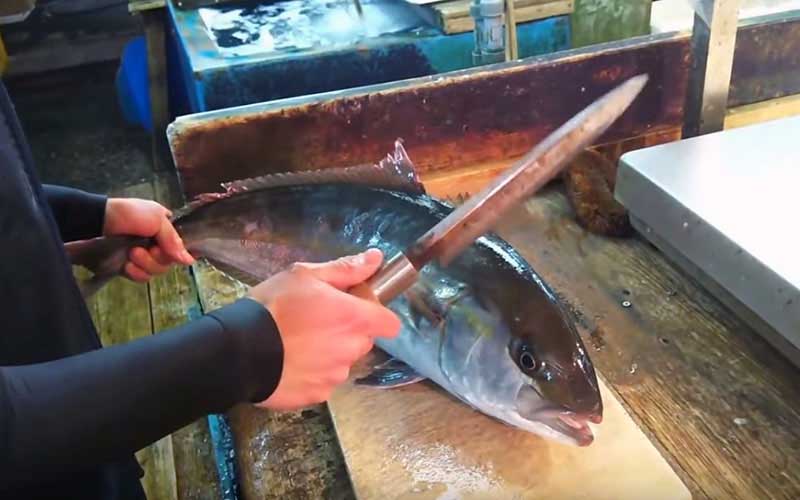
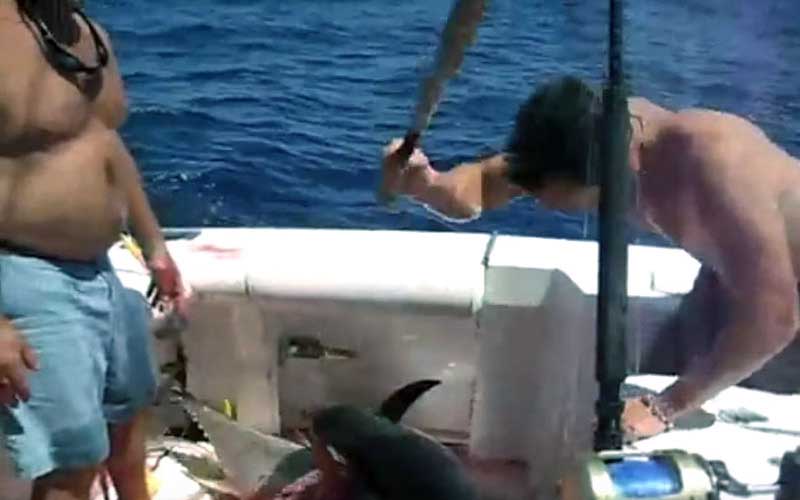
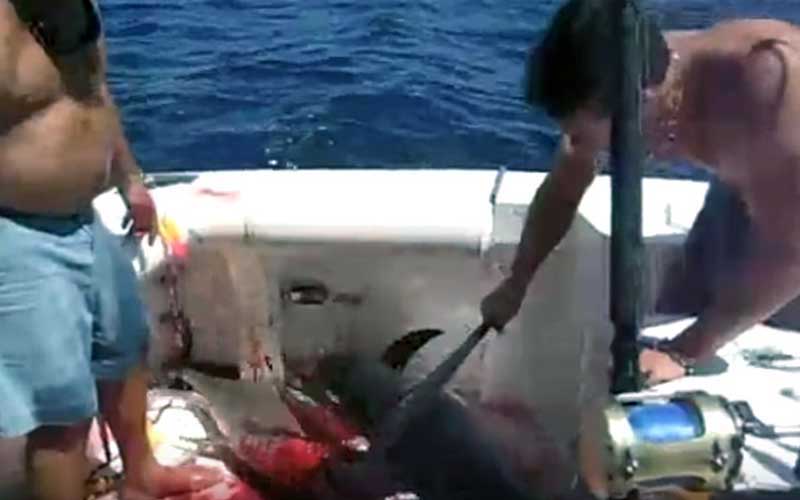
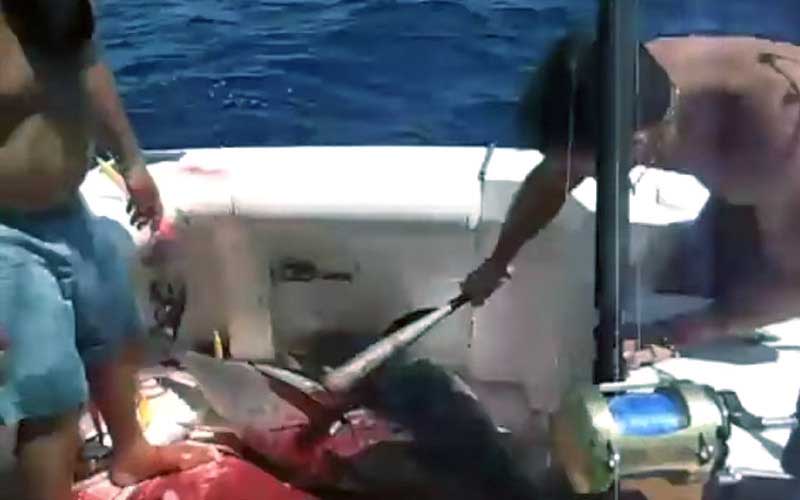
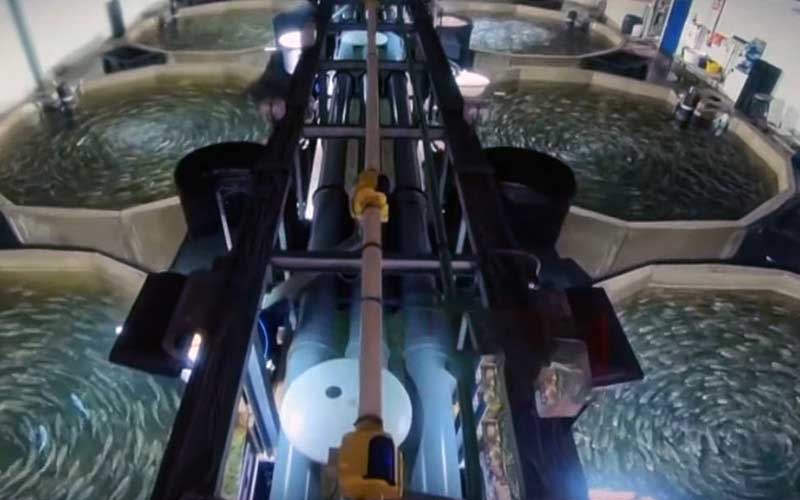
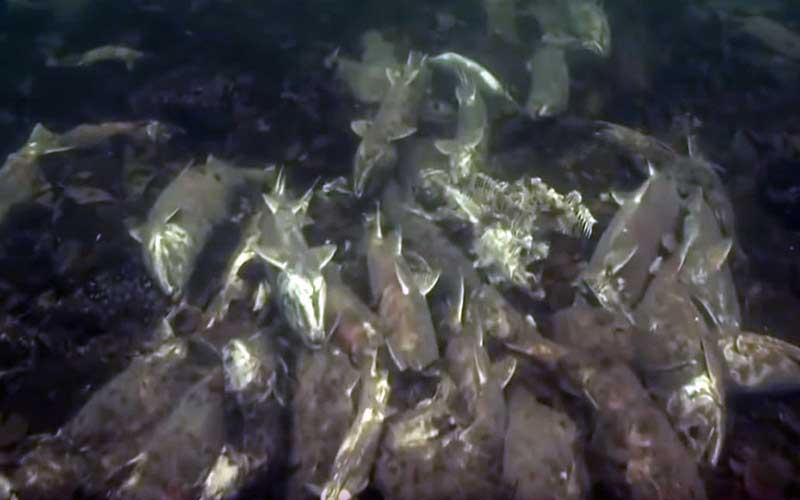
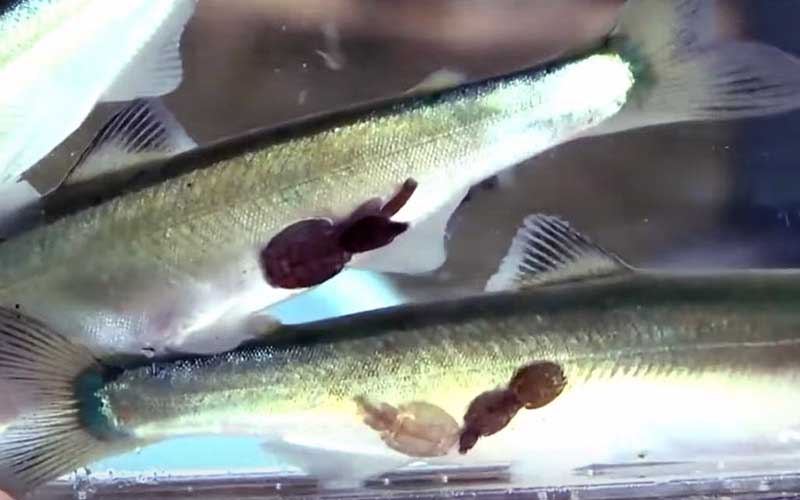
Fish farming involves raising fish in tanks or pens in extremely crowded concentrations with almost no room to move which leads to constant injury and the easy spread of viruses, bacteria and parasites. They are regularly fed antibiotics to keep them craving for as long as they need. Before they are slaughtered, most species are starved for several days so that their intestines are empty for easy cleaning. Apart from slicing, asphyxiation, we also kill fish by gassing them with co2., Hitting them with a wooden or plastic stick, taking them out of the water with a hook and making them penetrate spike their brains or electrify them and let them die in their blood while they are still conscious.