





Potentially sensitive content.






Horses 
HORSE RIDING Regardless of the abuse or what kind of equipment is used, the simple act of appropriating or using another being for our own pleasure is an action that is decidedly unethical.
THE STRUCTURE OF THE HORSE'S SKELETON It is said that a horse is ready to be ridden when their knees form. Meaning you have to wait for the growth plates just above their knees to convert from cartilage to bone. Quite often people don't realize that there is a growth plate on either side of each of the bones, behind the skull, and that in the case of some bones like the pelvis or vertebrae, there are multiple growth plates. While many people start to ride their horse at the age of 2, the last plates to fuse are in the spine and this does not happen until the horse is at least 5.5 years old. It takes even longer for large horses and males. The complete growth of the epiphyseal plate, or cartilage, does not occur until they are, on average, between 6 and 9 years old.
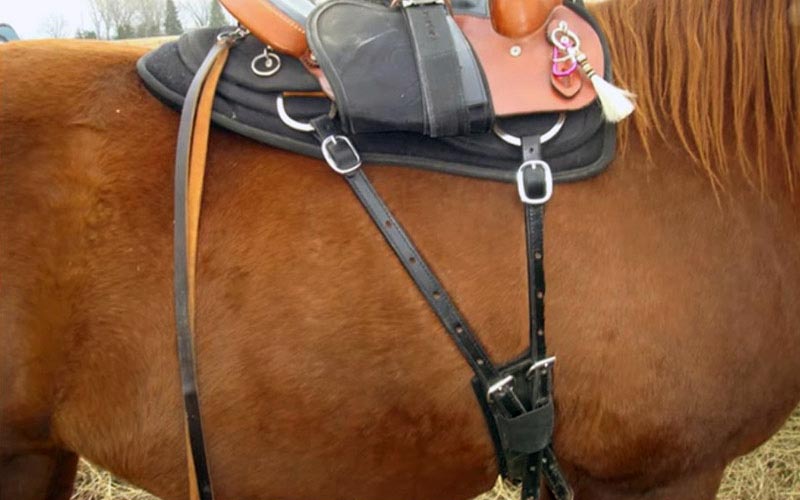
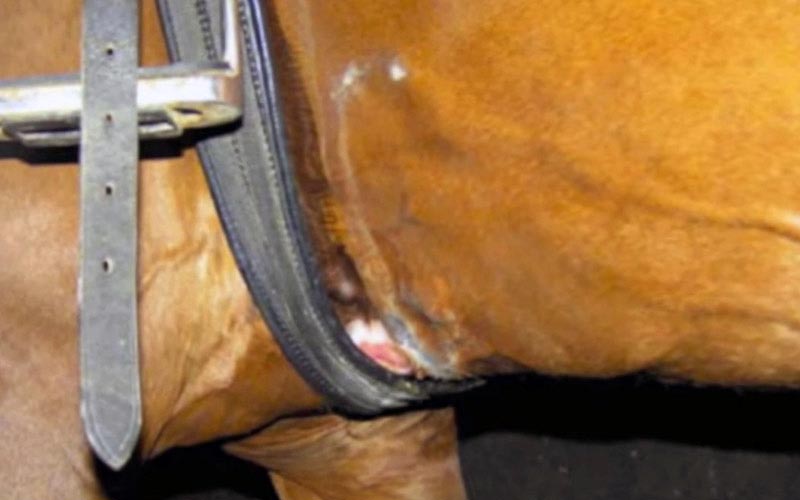
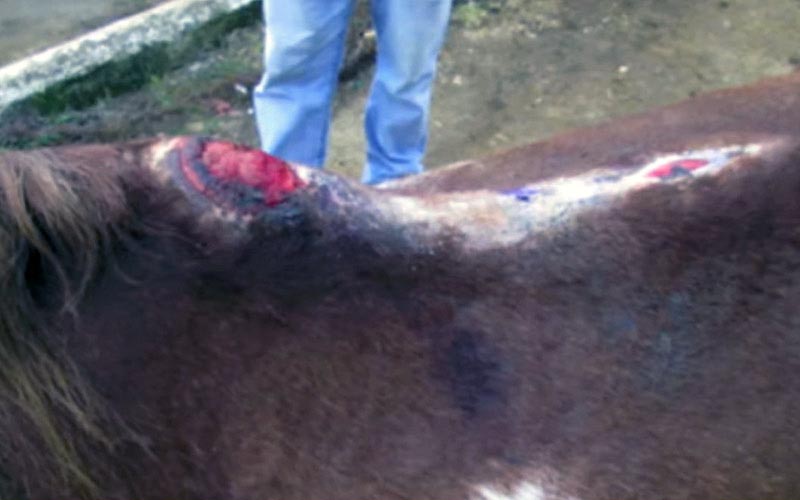
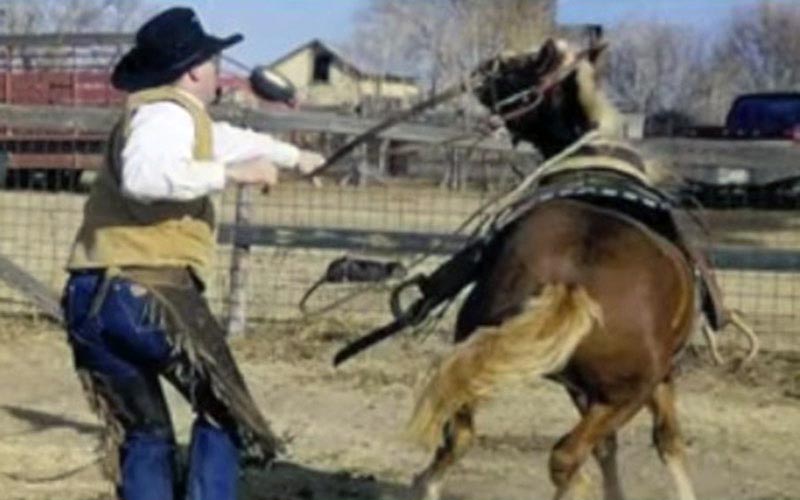
It is incredibly easy to damage a horse's back and displace its growth plates, causing pain and injury. Riding a horse of any age causes damage to the skeleton as well as to muscles and tissues. The back of a horse is a very complex and sensitive anatomical structure with extraordinary functions. The function of the spinal cord is to ensure that the responses of the entire nervous system can communicate the sensations of taste, smell, sight, hearing and vestibular function to the brain. It is on this particularly vulnerable and sensitive organ, the spinalis medulla, which is the brain of the back that the rider sits. The spinous processes of the caudal saddle position are almost always affected. In riding, the spinal damage is multiplied by the use of the saddle, the harness, the bit and the whip. Stool restricts blood flow to the arterial capillary bed, causing tissue damage as well as general wear and tear and irritation.
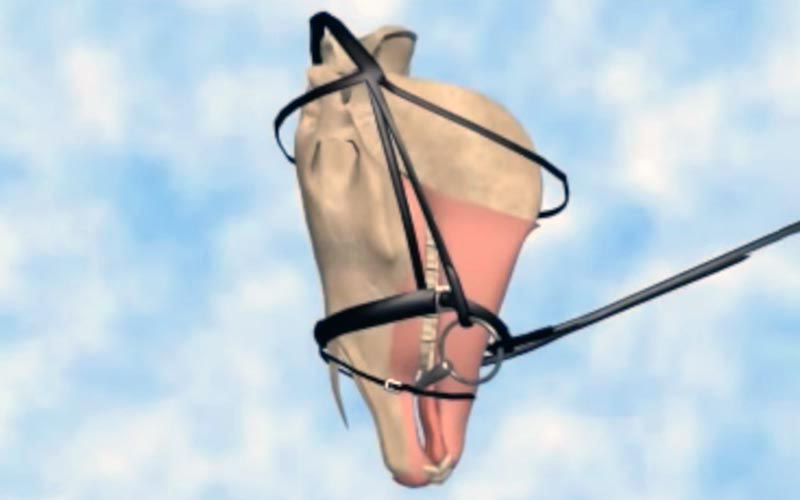
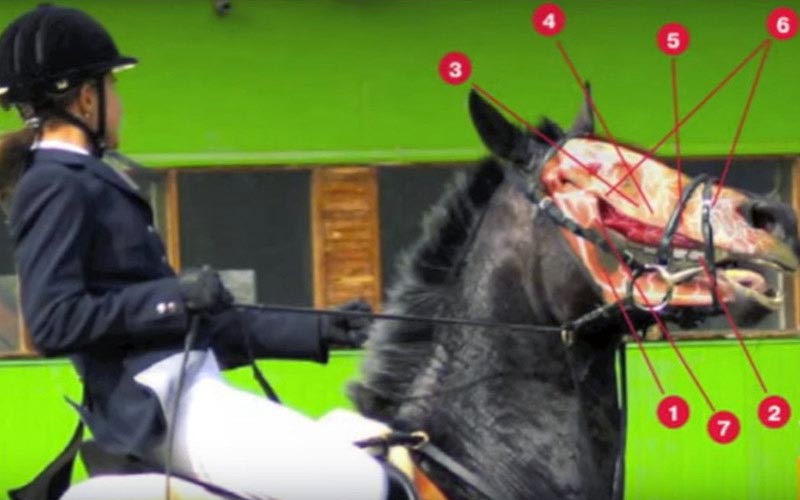
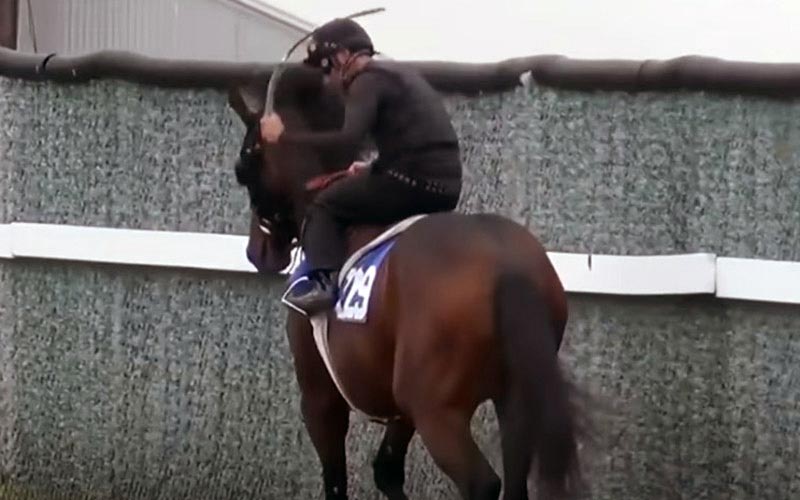
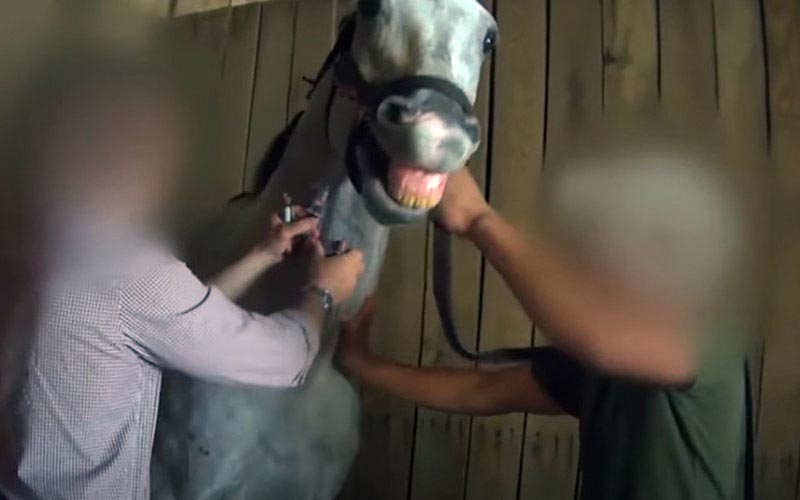
THE BIT and the WHIP The use of bits and whips is very cruel. Bits cause pain and damage to the horse's complex cranial nerves, as well as their teeth, tongue and palate. The facial nerves are extremely close to the skin and therefore extremely sensitive. It is essential to understand that it is absolutely not possible to use a bit without the horse feeling pain.
There is an assortment of different kinds of bits. They are all designed to exert pressure on the horse in a specific way to control the horse by applied pressure, in other words by pain. Even the nicest hands still exert extreme pressure on a horse's mouth and nerves. About 50 to 100 kg of pressure per square centimeter of mouth surface. Horses have a complex array of cranial nerves which are impacted by the use of the bit.
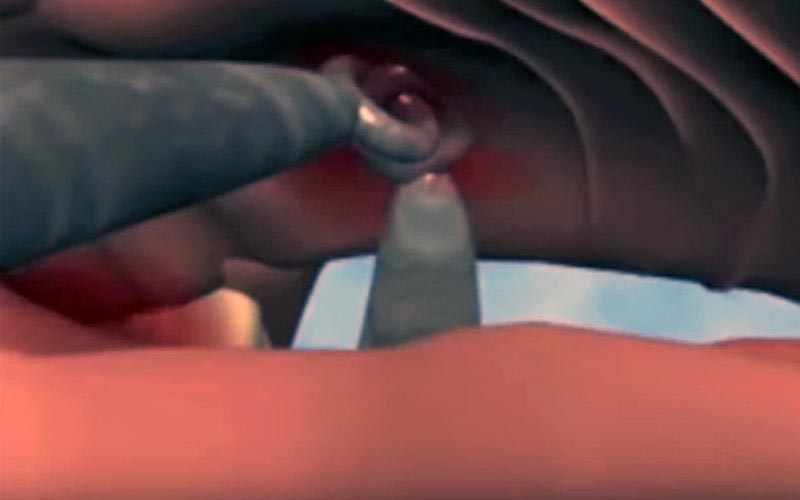
Trigeminal action jaws inflict pain on the mandibular and maxillary branches of the trigeminal nerve, the division of the maxillary nerve includes the main sensation function for the maxillary teeth, nasal cavity, palate and infraorbital nerve and mandibular nerve runs along the bones of the horse's lower jaw and branches off further into the buccal nerve, lingual nerve, and inferior alveolar nerve. In addition, the mouth of the trigeminal bit hits the horse's palate and pushes its tongue down; tooth-acting jaws impact and damage the first and second bicuspid teeth, causing bone spurs to develop. The bit seal also hits the horse's palate when pressure is exerted on the reins causing pain signals to be transmitted through the inferior alveolar nerve and the infraorbital nerve. Horses will often try to insert their tongue between the bit joints and their palate in an attempt to escape the pain. Unfortunately, this just causes his tongue to be pinched or pushed back towards the larynx which impacts the lingual nerve and causes pain. The horse's mouth is one of the most sensitive parts of their body and the bits are designed to put pressure on this most delicate part. The bits also obstruct the horse's airway and interfere with its breathing, which is particularly problematic since the bits are used mainly when great physical effort is required.
The bit control method is invasive, psychologically contraindicated and counterproductive, and it scares the horse and causes pain, suffering and injury. The bit is responsible for at least 50 problems. Most often the goal is to instill fear, force the horse to fight back and trigger a flight response and cause facial neuralgia (shaking the head). These and other behavioral effects have been associated with oral pain. However, the responses are not limited to the oral cavity as they include a whole cascade of systemic effects. These mainly involve the nervous system and result in negative behavioral responses. Musculoskeletal system effects interfere with locomotion and respiratory system effects cause dyspnea. The bit is harmful to the health and safety of the horse as well as the rider and is an obstacle to performance.
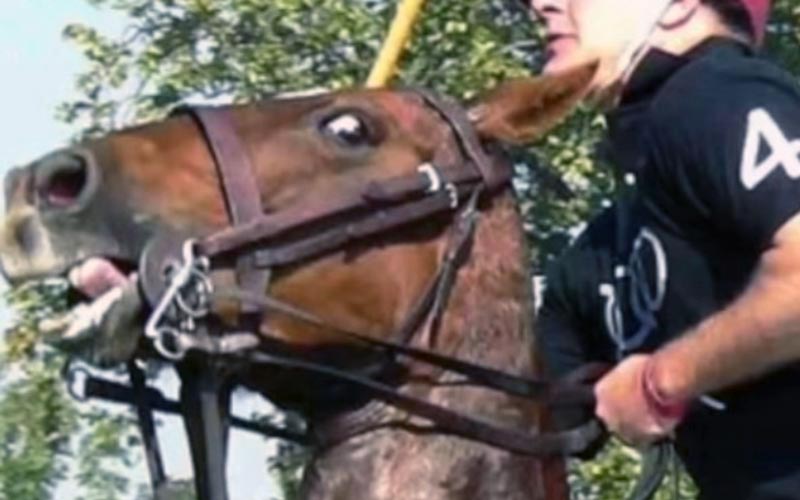
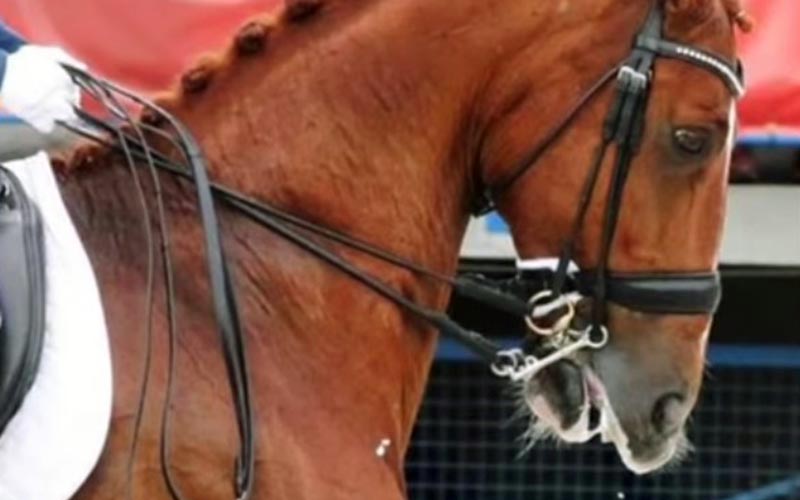
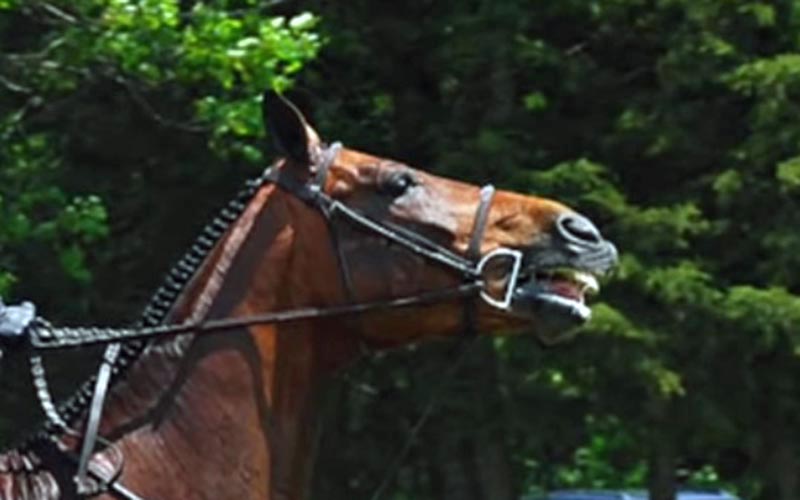
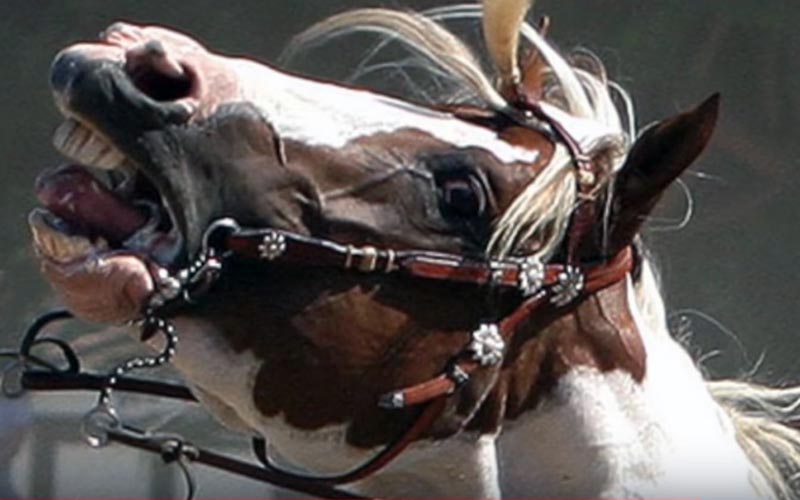
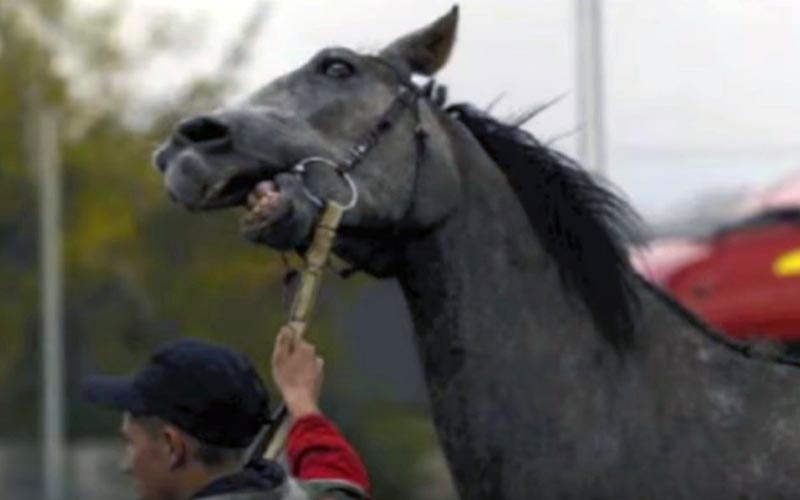
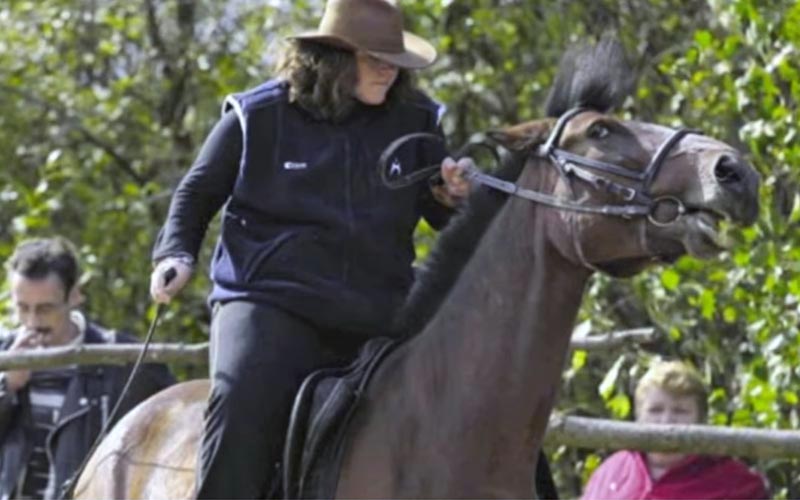
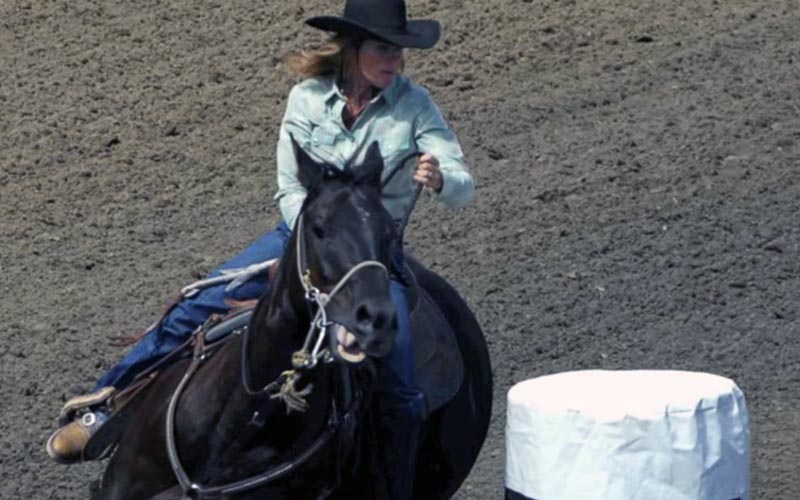
The impacts of the bit go far beyond the horse's mouth. A running horse is in a state of pain and fear and much less likely to respond correctly to signals given, often resulting in injury to both horse and rider. Aside from the physiological and anatomical impact of the bit, the simplest indication of the bit's effect on the horse is the reaction of the bit, you will often see a horse in the mouth open their mouth, this is an attempt to escape to the pain inflicted by the bit, they will also shake their head and produce other neurotic behaviors in order to stop the pain. Unfortunately, many times riders will respond to this behavior by exerting even more pressure causing more pain and problems for the horse. This cycle is remedied by the application of a noseband used to close the horse's mouth. This prevents the horse from opening its mouth. He will continue to be in pain and will now be incapable of any attempt to escape.
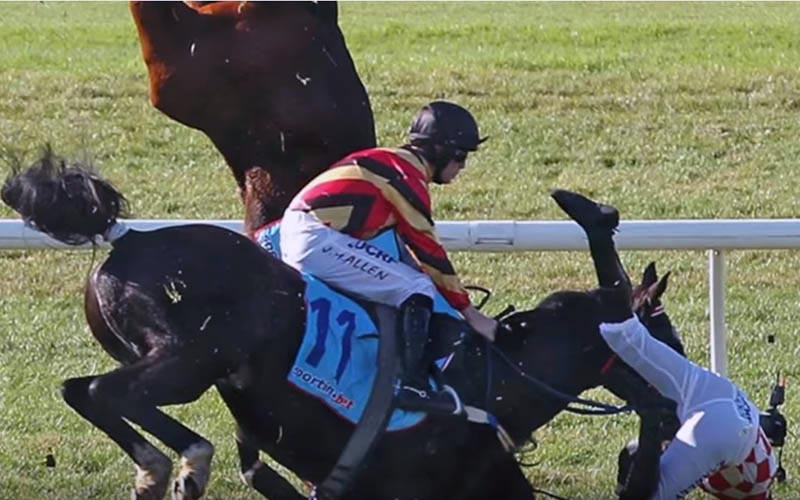
HORSE RACES Horse racing objectifies horses to an unmatched level. Horses are reduced to money-making machines. The cruelty of horse racing begins long before the racetrack. Racehorses are genetically engineered and selected to run as quickly as possible. Their lives begin in the stud farms where the mares are kept pregnant, almost 90% of their short lives, by the use of drugs such as prostaglandins and the alteration of their environment in order to modify their reproductive cycle.
Barely born, these future runners are taken away from their mothers who are immediately re-inseminated until they can no longer have foals. They will then be sent to the slaughterhouse. Separated from their mothers, these newborn foals need a nurse called foster mares, horses of inferior pedigree which have also been inseminated for the sole purpose of producing milk for racing foals. As the offspring of these mares are of no use to this industry and because it is illegal to send horses under six months of age to slaughter, many are killed by severe beatings or whatever simply abandoned to their fates. They end up butchered for the manufacture of high-end leather called Cordoba leather and their meat is often sold for butchery.
Foals bred as future racehorses have an equally tragic fate. Of the hundreds of thousands of potential racehorses bred in many countries each year, only 5-40% will race. The rest is either sent to the slaughterhouse to end up on the butchers' stalls or in dog / cat pâtés, or reintroduced into the breeding sector, or finally resold in the lower racing circuits which are even less protected and regulated.
While the consumption of horse meat is taboo in many societies where even regular meat eaters are turned off by the idea of eating horse, few realize that racehorses end up irretrievably in the slaughterhouse. The horse racing industry disposes of horses deemed invalid as mere industrial waste.
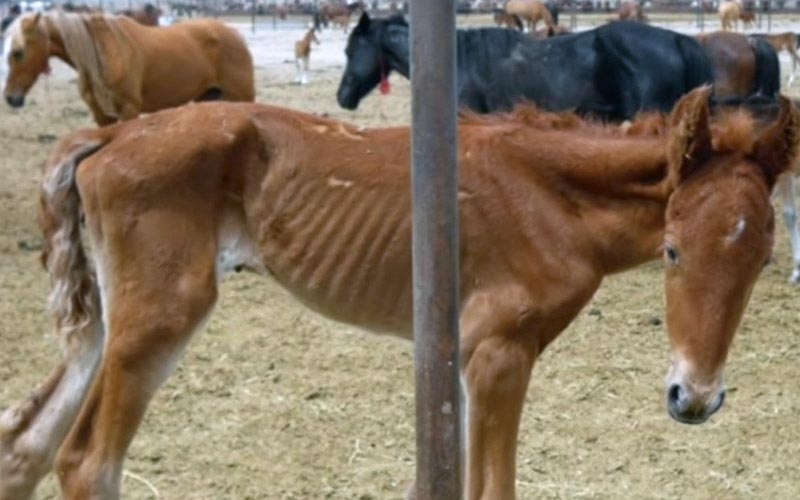
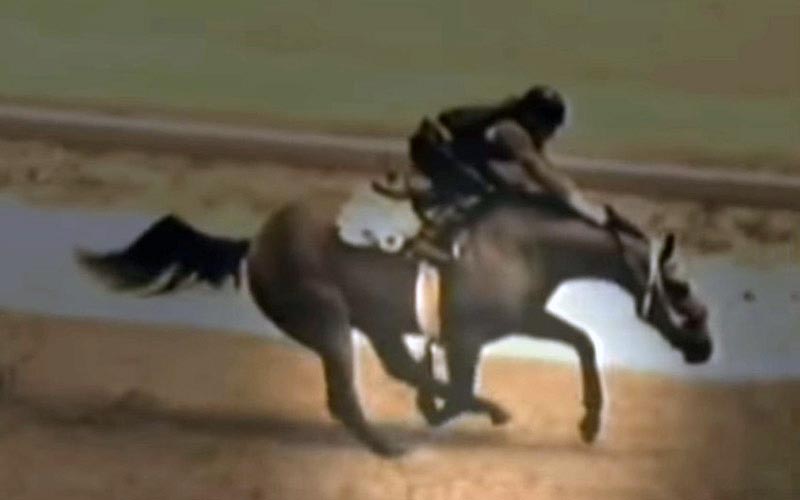
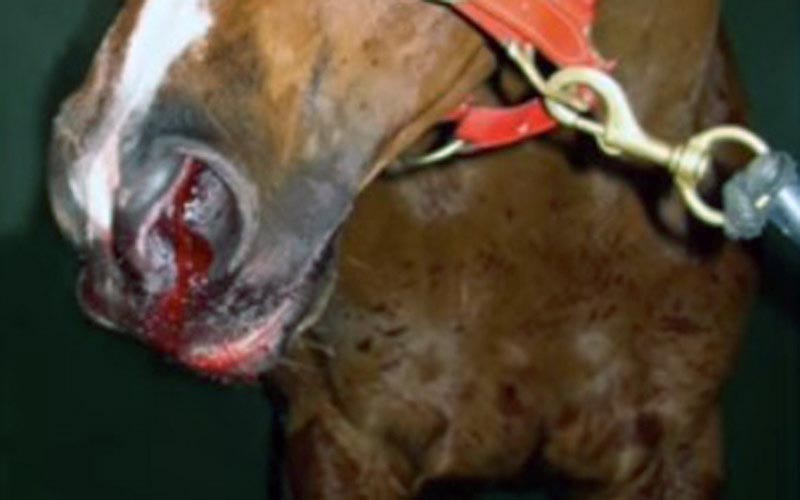
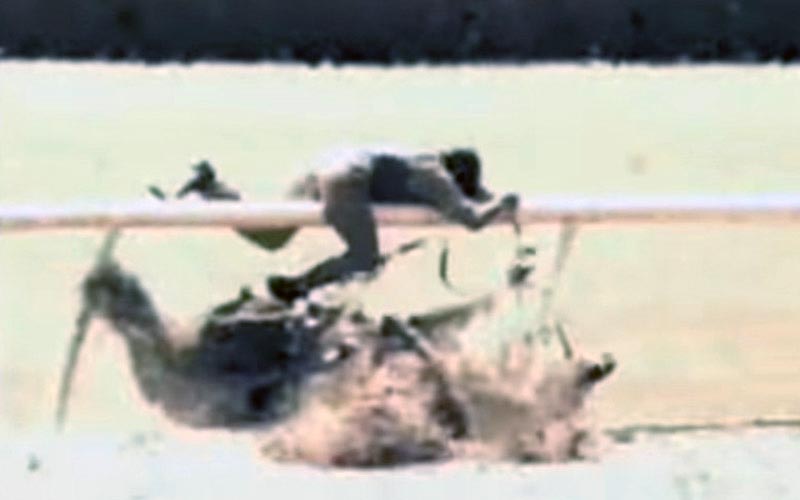
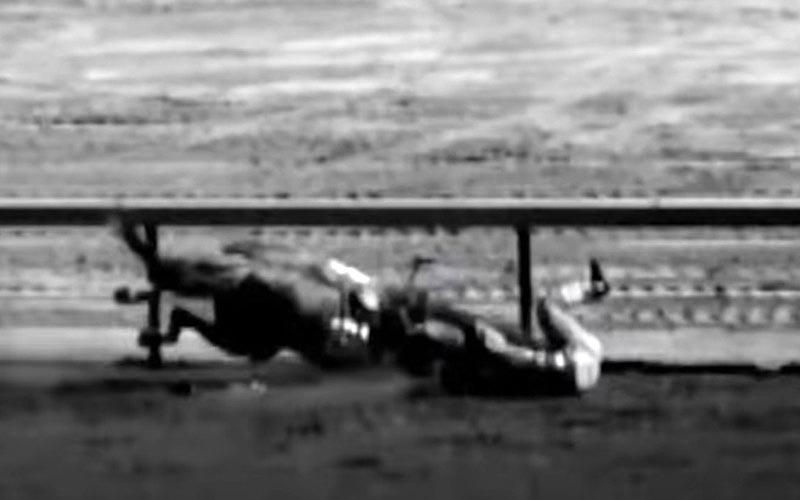
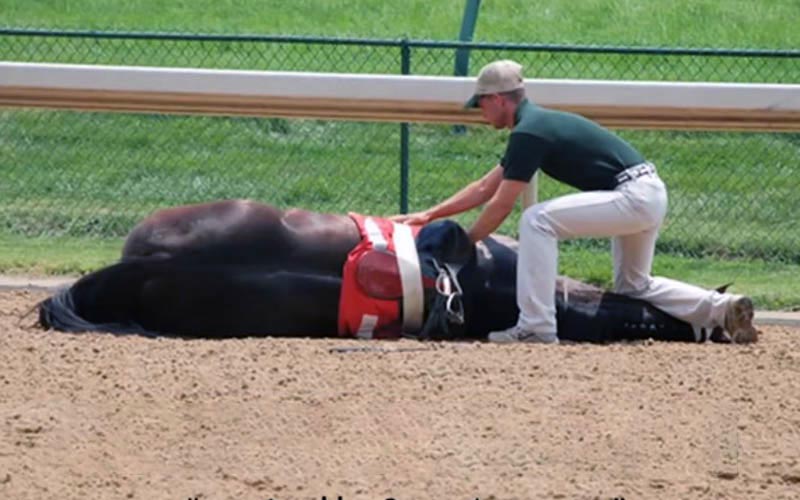
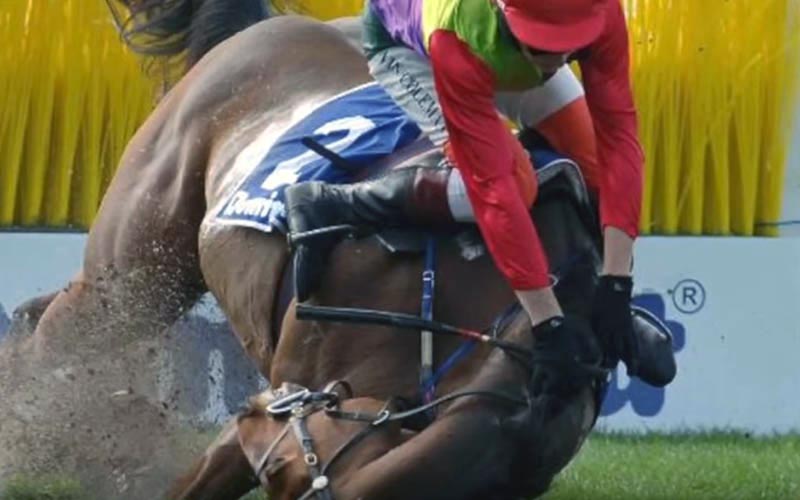
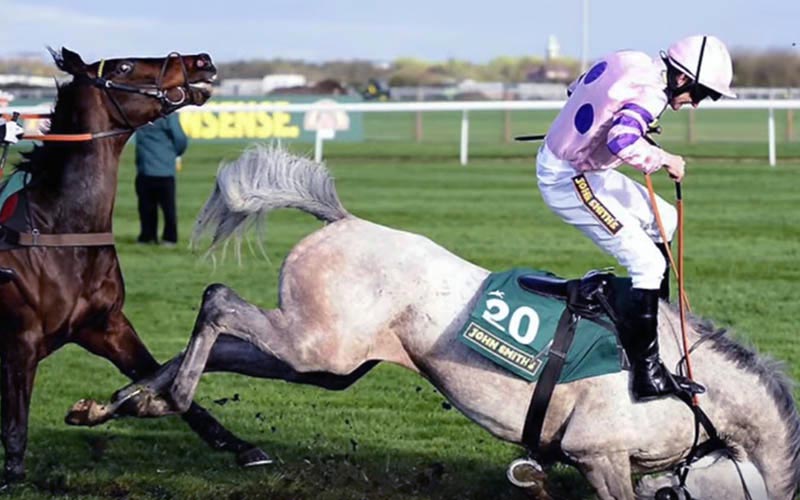
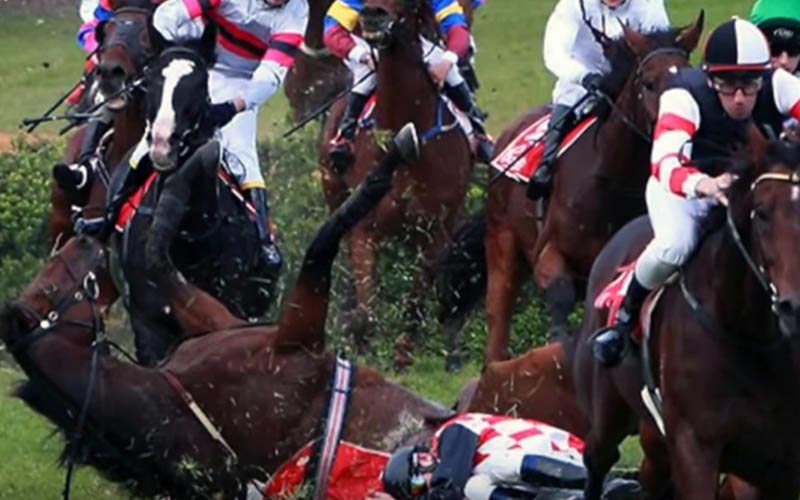
For the horses selected for the races, a life of nightmares begins. Their training begins as early as a year and a half, long before their skeletons have completed their growth. The apophyseal plate does not reach its complete formation until, on average, 6 to 9 years. The intensive training undergone by these untrained young horses leads to the tragic multiplication of fractures and collapses, ending their lives abruptly between 4 and 6 years old, their care would prove to be too expensive and complicated. Many horses die every week during races. Injuries are not limited to fractures. The stresses of running also cause bleeding from the lungs and bronchial tubes in a large number of horses known as exercise-induced pulmonary hemorrhage.
50% of racehorses have blood in their bronchi and 90% have it deep in their lungs. Their concentrated diet, made up of grains, also produces gastric ulcers. In 89% of horses there are many cases of ulcers with major bleeding, only 8 weeks after starting training. When they are not simply ruled out by the costs of treatment, sick horses are still pressured by the administration of dangerous preparations, painkillers can mask an injury, allowing the injured horse to continue running at the risk of his life. Almost 90% of the horses which collapsed suffered from previous injuries.
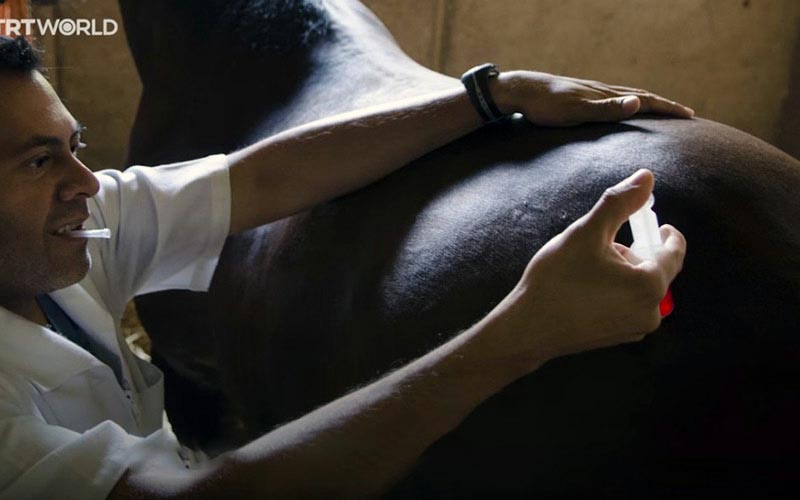
Due to the fact that the thoroughbreds were selected for their acceleration capacities, and their aesthetics ... the animal is considerably weakened and to allow them to continue running, they are administered Lasix (to fight against pulmonary hemorrhage), Phenylbutazone (an anti-inflammatory) and corticosteroids (for pain and inflammation). However, injured horses are not the only ones receiving treatment.
Trainers administer quantities of illicit drugs to their horses on a daily basis. With so much money in play, people would stop at nothing to make their horses run faster. These substances include stimulants given to pigs and cattle before slaughter, as well as blood dopants, thyroid treatments, anabolics, Viagra, cobra venom, anti-cancer drugs, among other things.
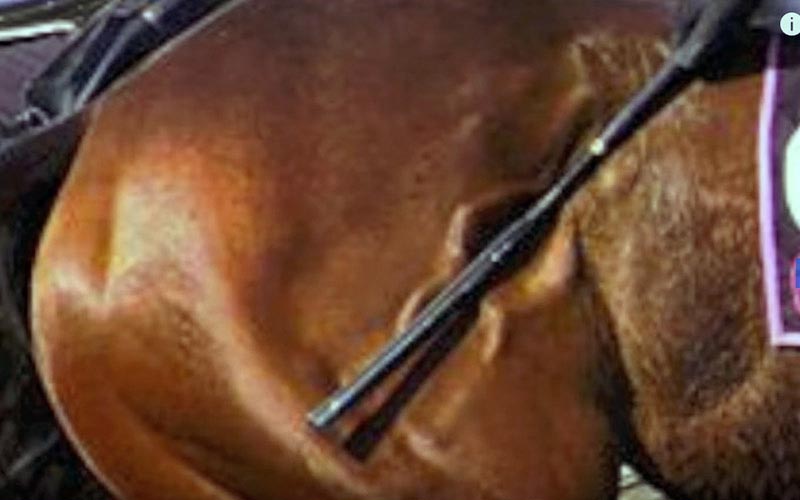
In addition to being doped, horses are violently whipped during races making this animal abuse the most accepted form in public performances today. In 83% of cases, we see characteristic marks on the skin of the animal. 75% of the blows are dealt to the flanks. In many countries the number of hits inflicted on a horse during the race is limited only before the last 100 meters, after which the horse can be whipped tirelessly.
A horse feels the slightest fly landing on its skin as evidenced by a characteristic tremor called the "manniculus reflex" when you barely brush its skin. Racehorses also endure the bit which used for racing is even worse than those used for conventional equestrian sports.
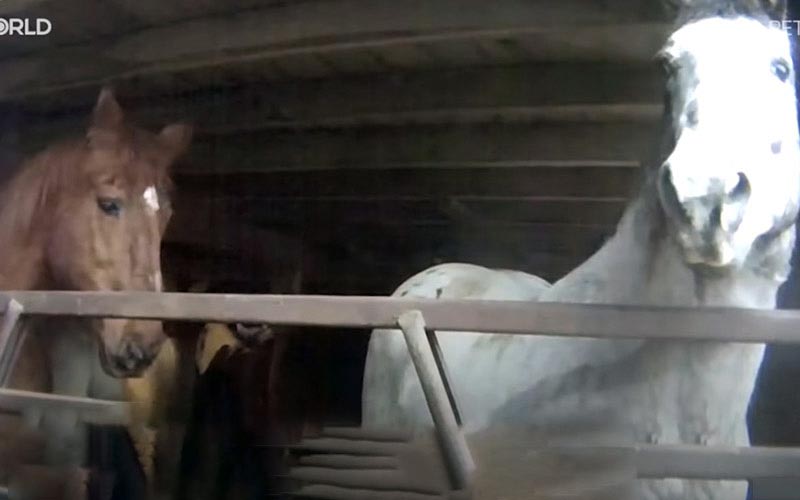
Racehorses have bits in their mouths for most of their lives. In fact, many jockeys hang themselves so often from the mouths of horses that the latter is destroyed. When not on the track, the horse is kept in stalls most of the time. This is by far the most convenient way to "store" a horse, yet this confinement deprives them of basic social and environmental simulations. Claustrated horses develop various pathological behavioral disorders such as compulsive biting of their portal or any other support, but also sick swinging and other acts of self-harm.
In the end, these animals are treated like common waste that we get rid of. Whatever its track record, when a horse can no longer run or its results are deemed insufficient, it is disposed of as household waste. Those who collapse in the race are immediately euthanized and sent for rendering to become dog food and other by-products, or more simply, abandoned in a landfill.
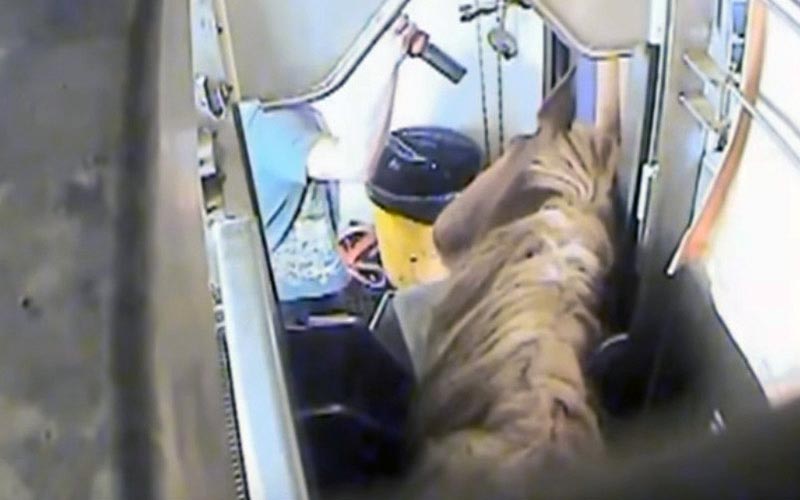
Those who don't die in the race are sometimes downgraded to participate in inferior races like obstacle course 20 times more dangerous than flat racing and much less regulated with lower standards. The ultimate destination of these racehorses is the slaughterhouse, where the slaughter guns badly used because they are not mastered, further prolong the suffering and anguish, while their entire life of abuse comes to an end.
From birth to death, racehorses live lives of torture, terror and merciless brutality. This is what happens when money is worth more than the life of sentient beings.
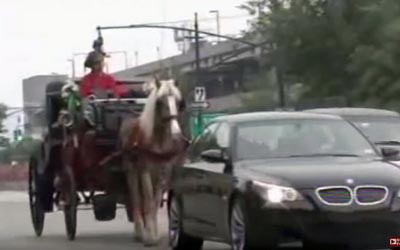
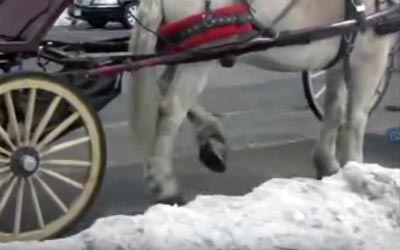
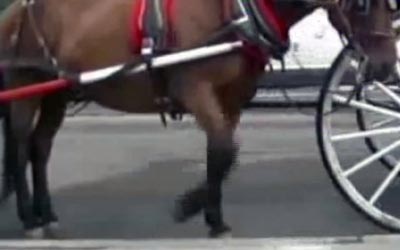
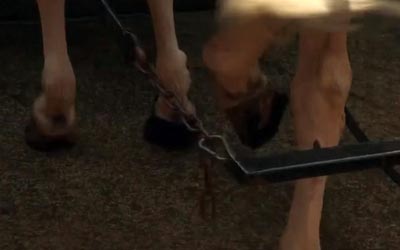
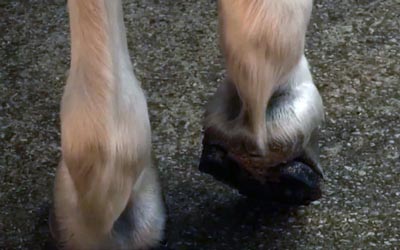
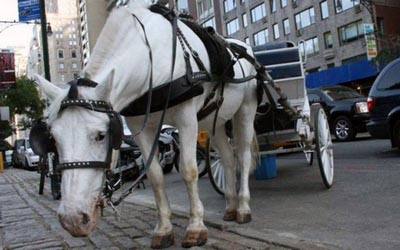
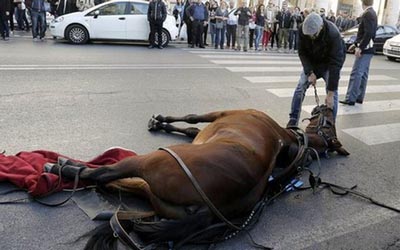
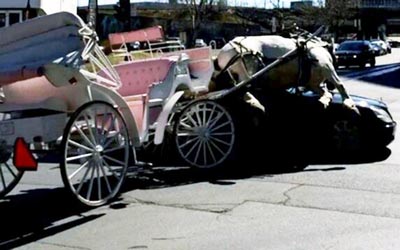
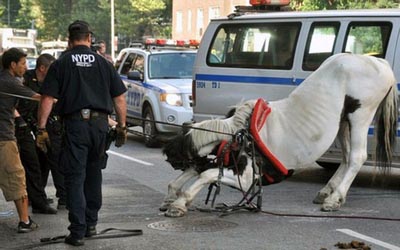
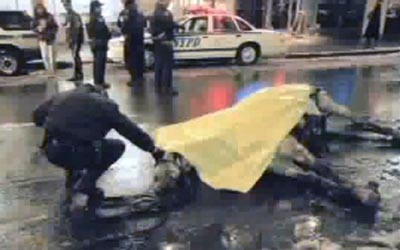
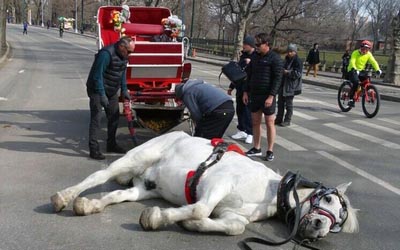
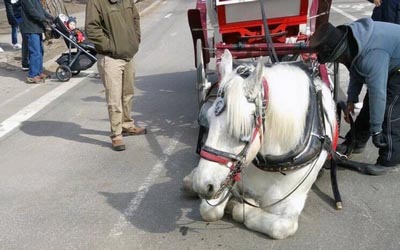
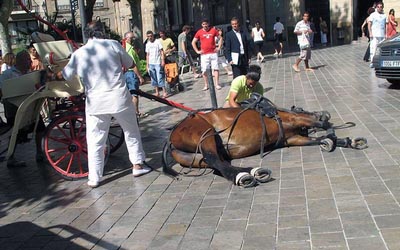
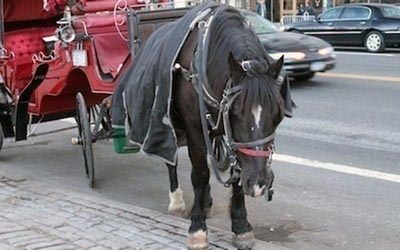
THE CARRIAGES Horses' bridles are sore and tight. Horses are forced to pull up to 1,800 pounds. Even though they suffer from joint pain and arthritis (hard surfaces make lameness and deterioration of the hooves inevitable) they are forced to take carriage rides, work 9 hours a day, inhaling the exhaust fumes. Tracheal washes and respiratory secretion samples from these horses show enormous lung damage, the same kind you would see in a heavy smoker. The dragging clop, the painful and loud rattle and grinding of its teeth against the metal as the beast neurotically chews its bit, is far from romantic. Click here to see the effects of bit and harness.
Horses are forced to work even in bad weather, such as extreme heat or cold. They work surrounded by the bustle of cars and people. Due to abuse and neglect, almost all horses have at least one injury, which is caused by repeatedly hitting cars while walking.
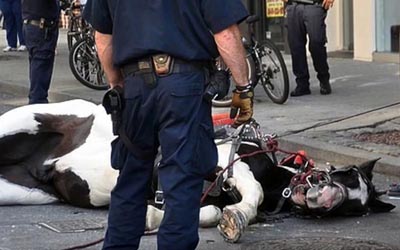
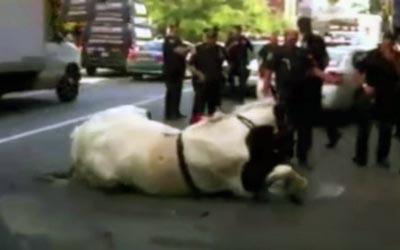
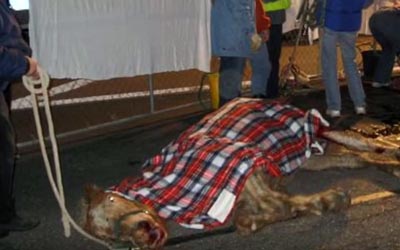
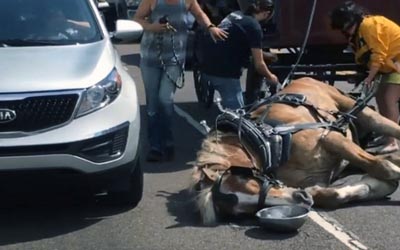
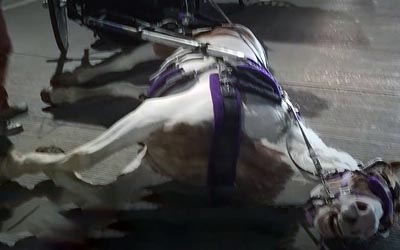
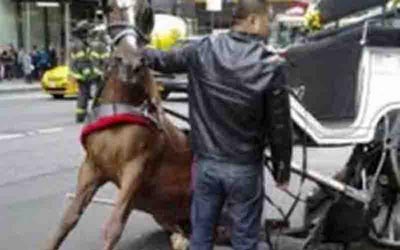
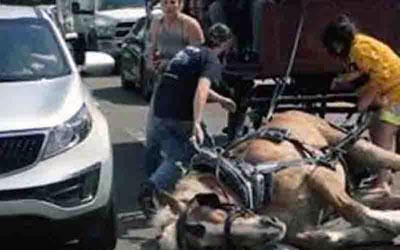
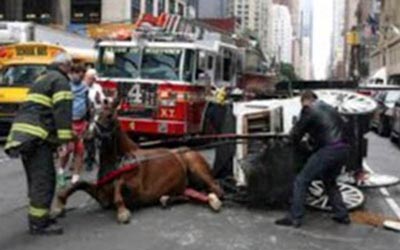
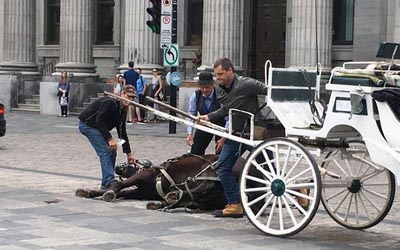
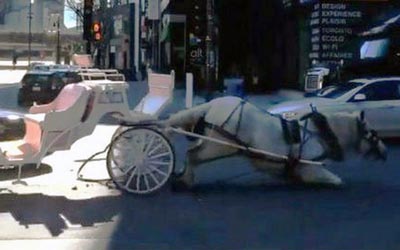
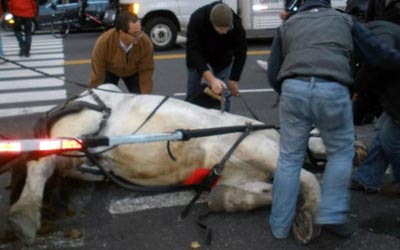
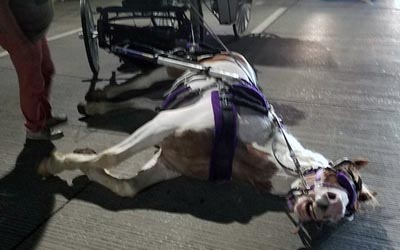
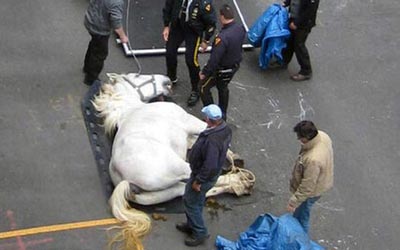
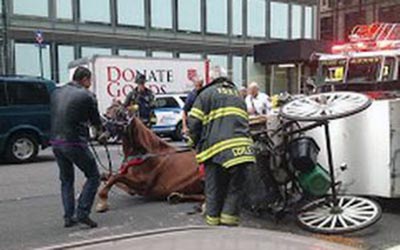
The many tragic incidents of beasts collapsing or dying are common. Horses are quick to run away and act unpredictably, causing injuries and fatalities, resulting from collisions between horses and carriages. They also sometimes collapse from the heat, which is sometimes fatal to them. Also, in the appalling spectrum of accidents, in the vast majority of cases there is a human injury and in almost a third of the cases there is a human death.
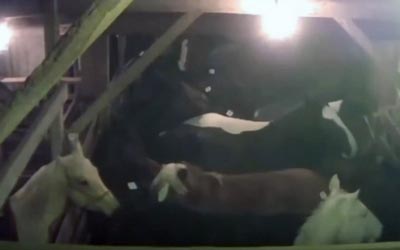
When not working, the horses live in a stable with floors that they sometimes have to go up and down to get to their stall, sometimes windowless and 5 square meters. Inspections of the stables showed a lack of fresh water and food, piles of excrement, rotten floors that lead to broken legs. This does not mean that all carriage horse stalls are deplorable, but nonetheless, these animals range from walking in circles on concrete in clouds of gas, to climbing several floors to their closed concrete stalls.
When their bodies eventually betray their sorry state of health, the final destination for many of these carriage horses is the slaughterhouse, they are auctioned off to be sold for a pittance, shipped to Canada or Mexico and slaughtered. as food for dogs and cats or for human consumption abroad. It's a terrifying end to their life of bondage.
Since January 1, horse-drawn carriage rides are prohibited in Montreal, Quebec, Canada) and that, for the welfare of the horses. May other cities around the world do the same.