





Potentially sensitive content.










Pigs 
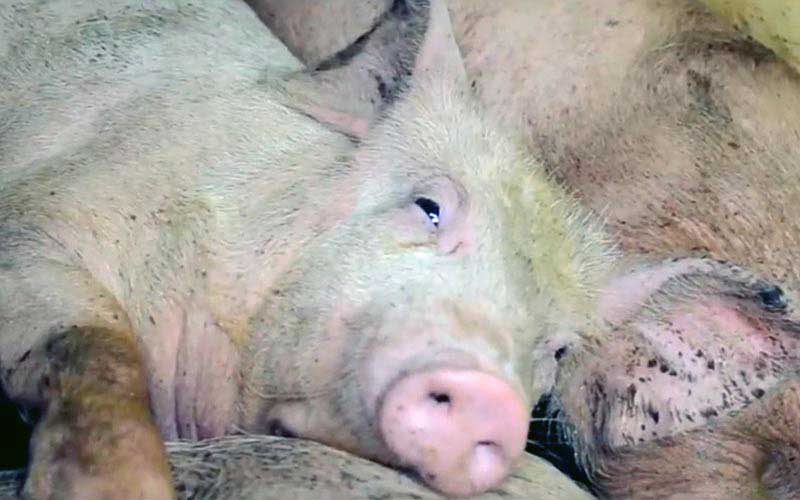
FELT AND CONSCIOUS BEINGS Pigs are friendly, loyal, and intelligent animals that consistently perform better than dogs and some chimpanzees in learning tests. They are very clean by nature, live in small family groups and like to play, explore their environment.
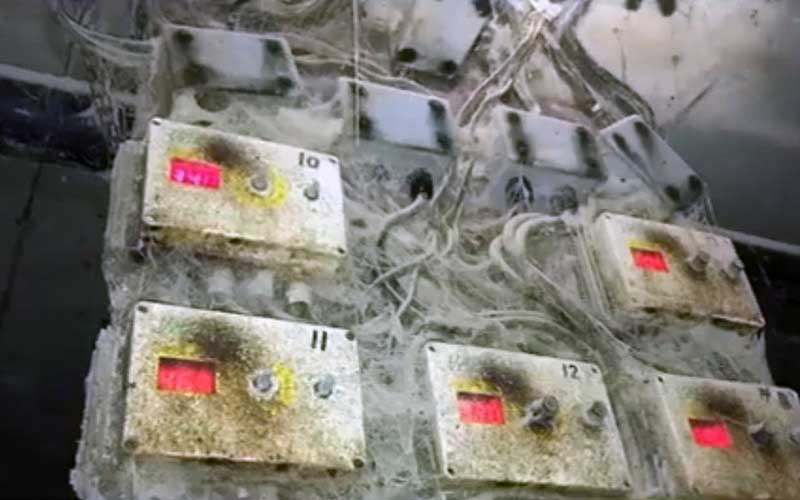
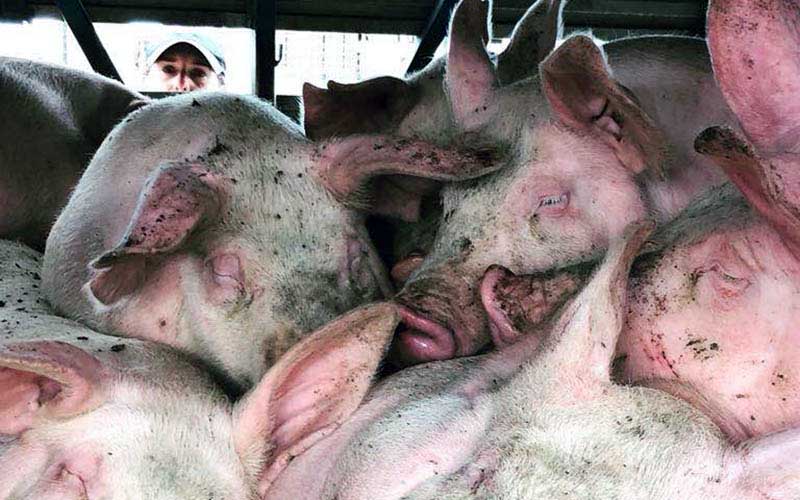
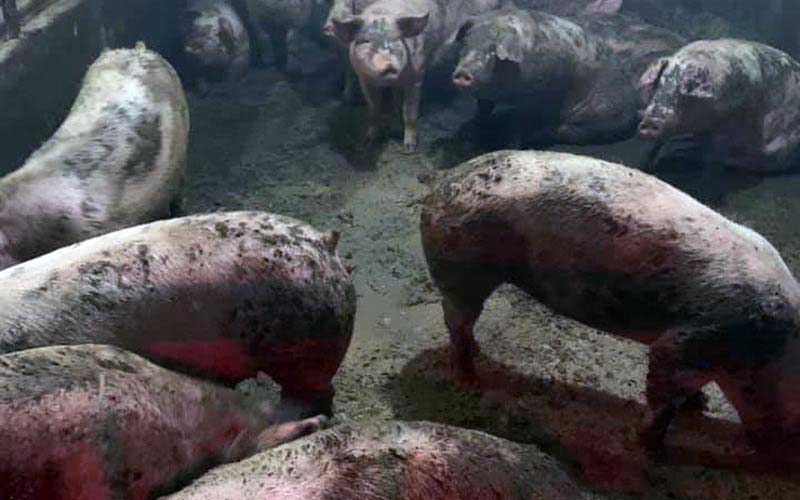
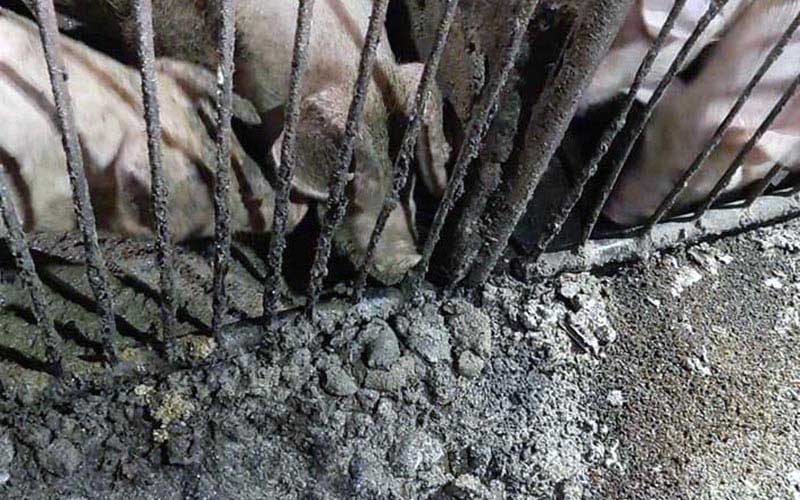
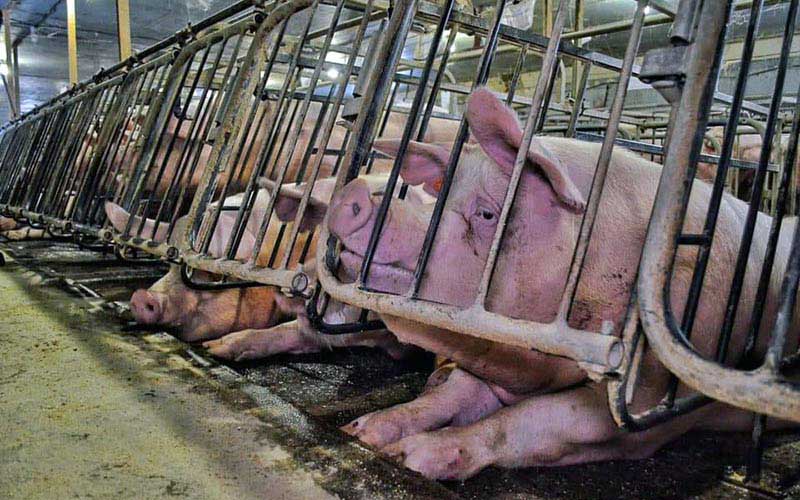
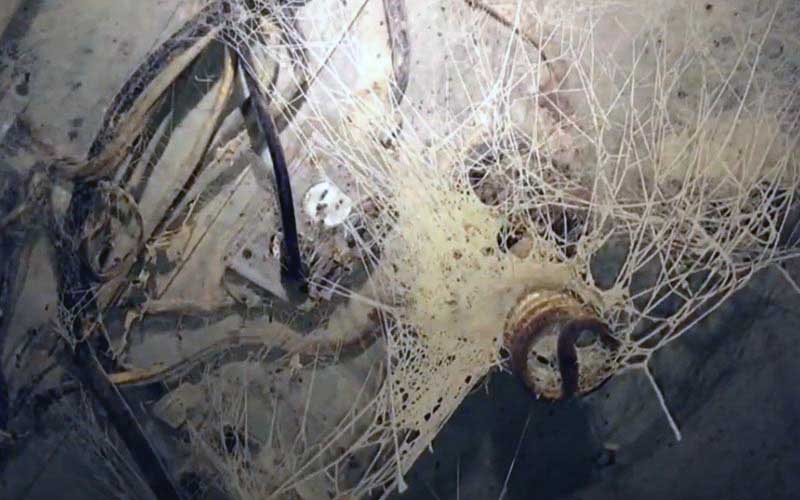
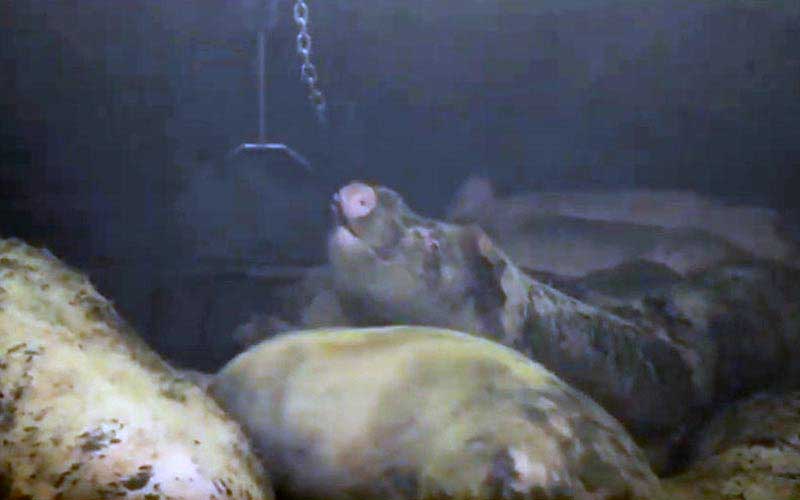
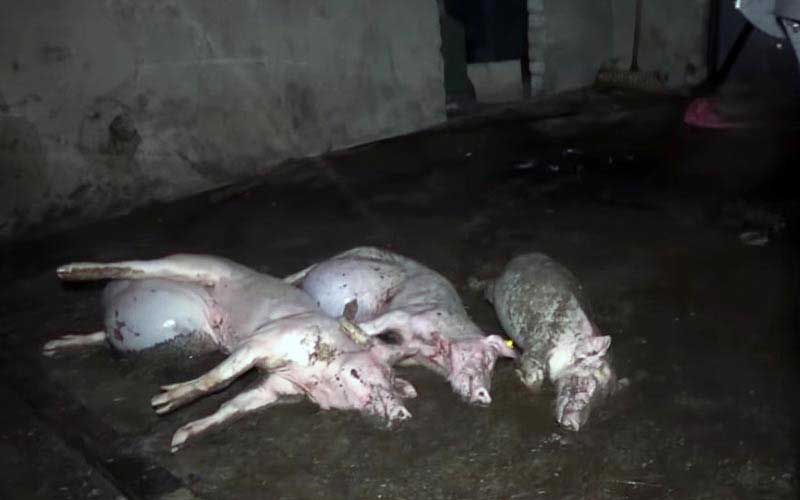
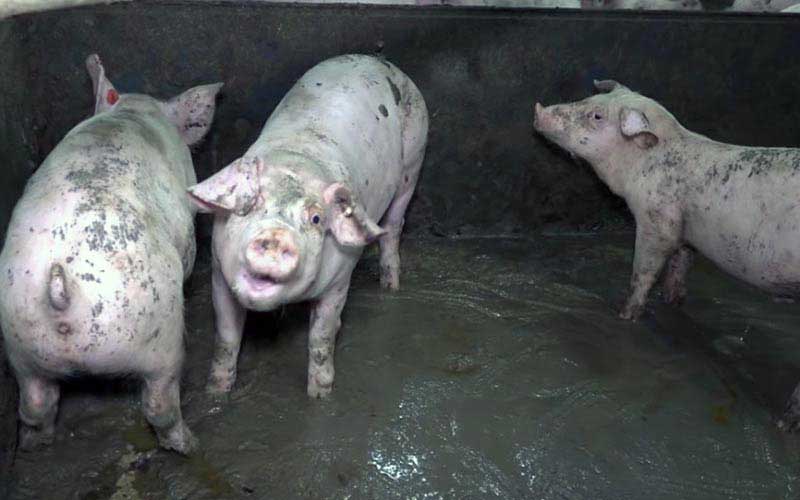
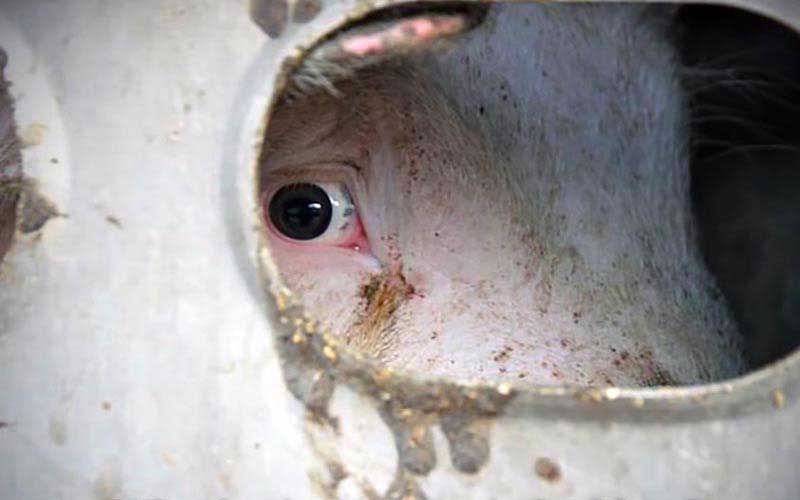
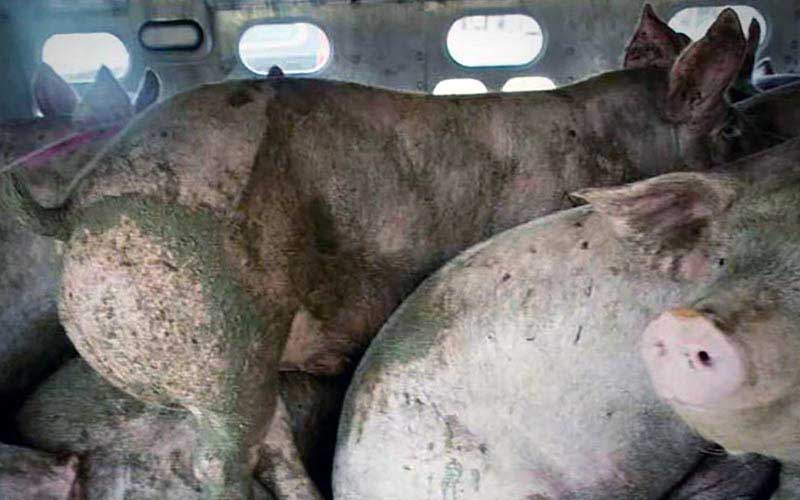
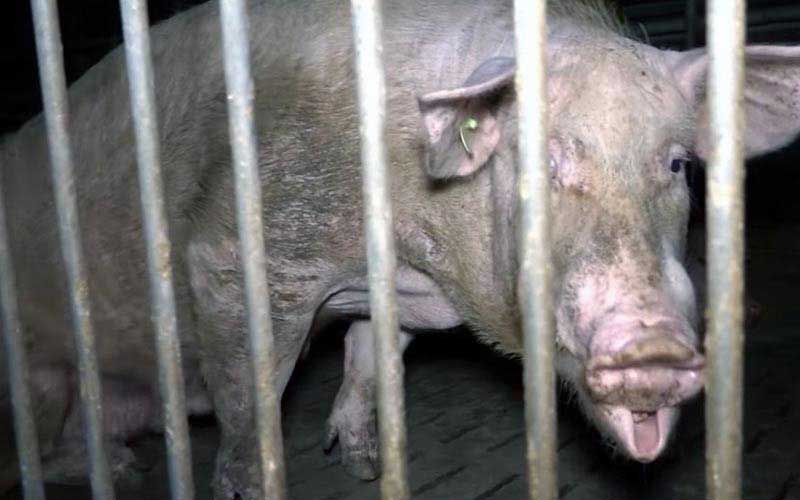
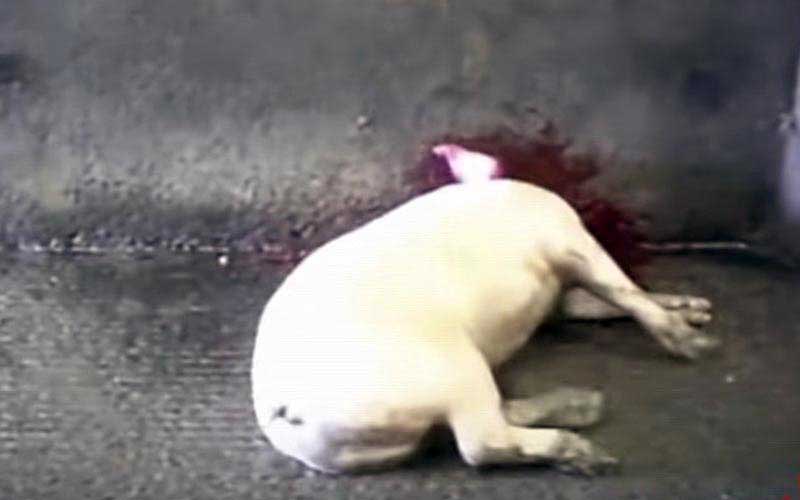
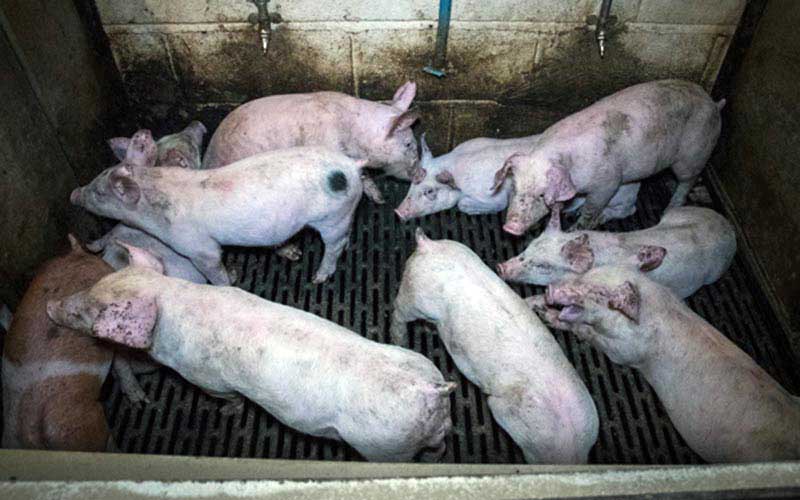
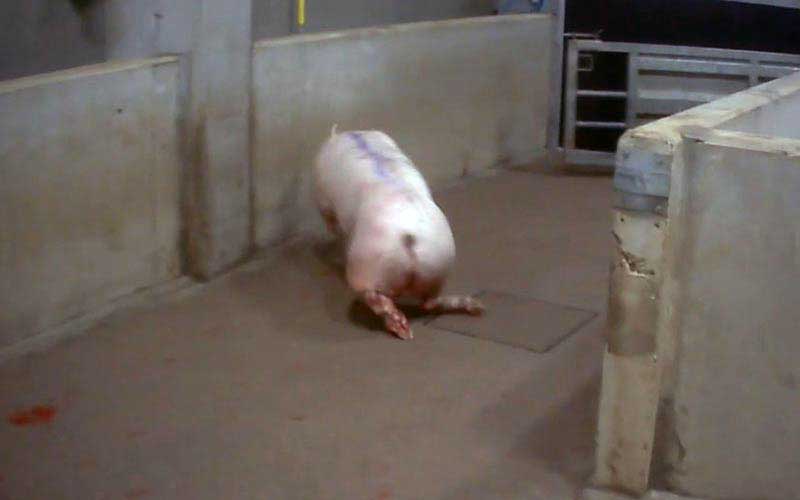
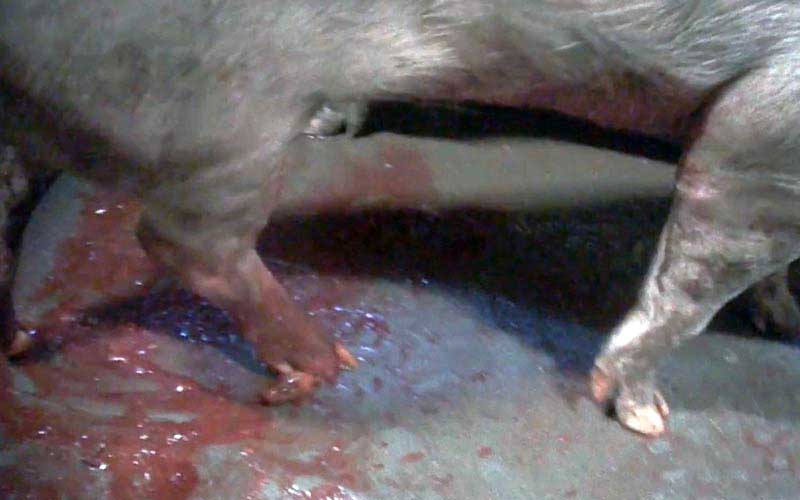
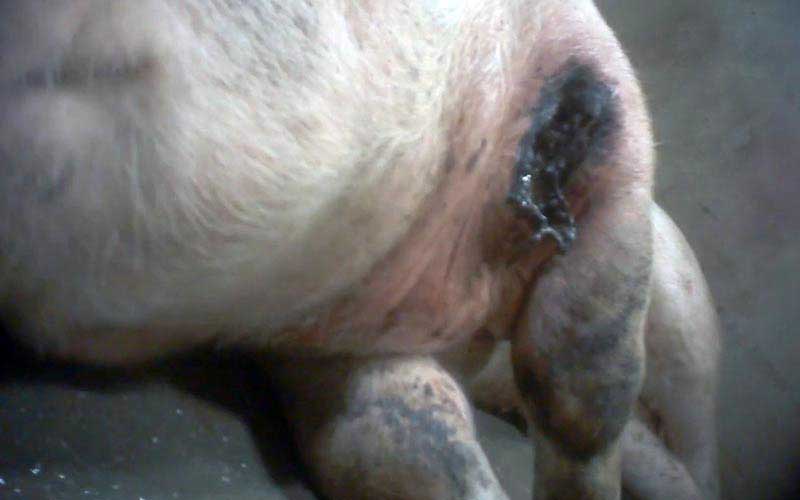
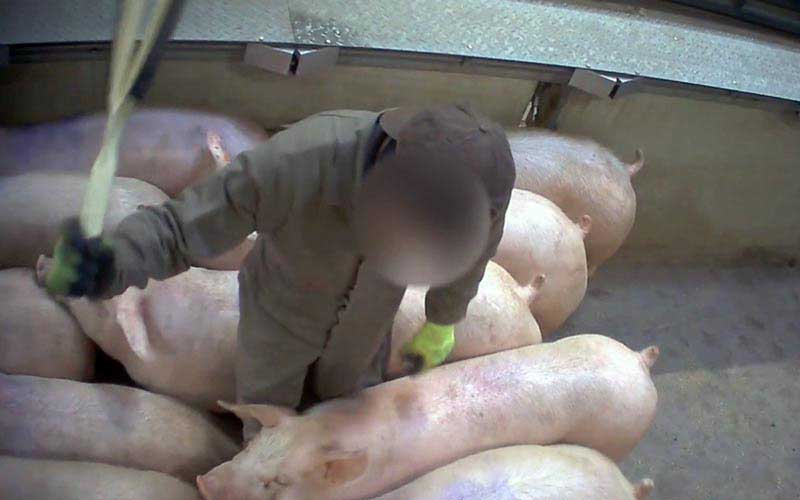
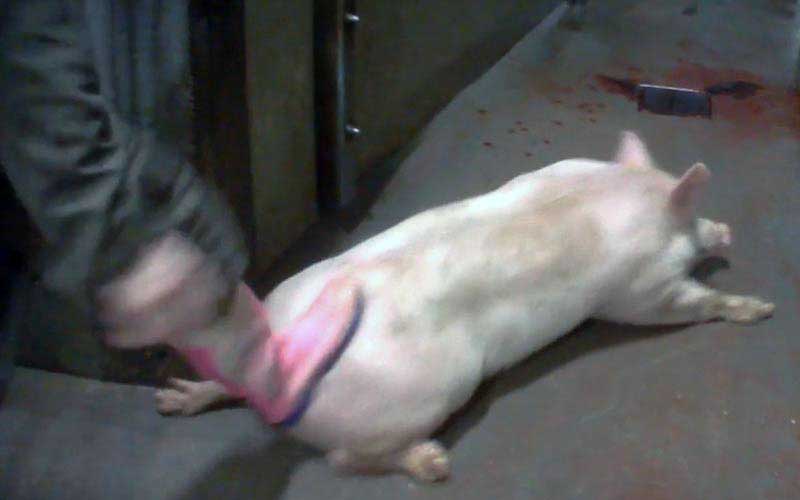
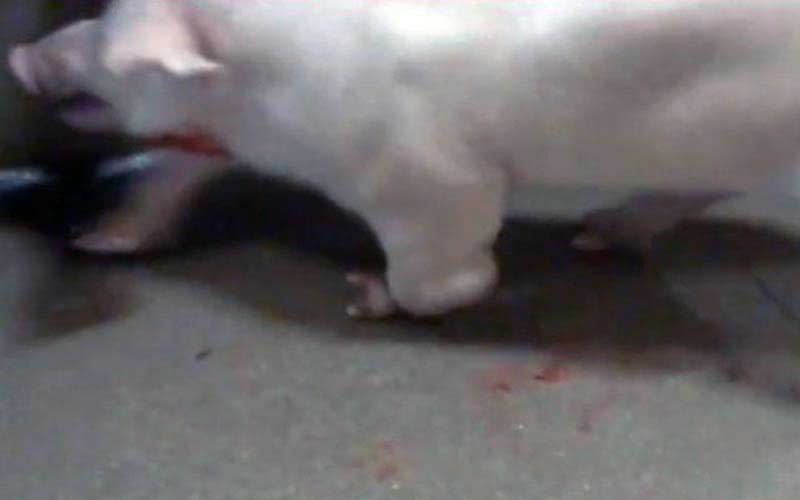
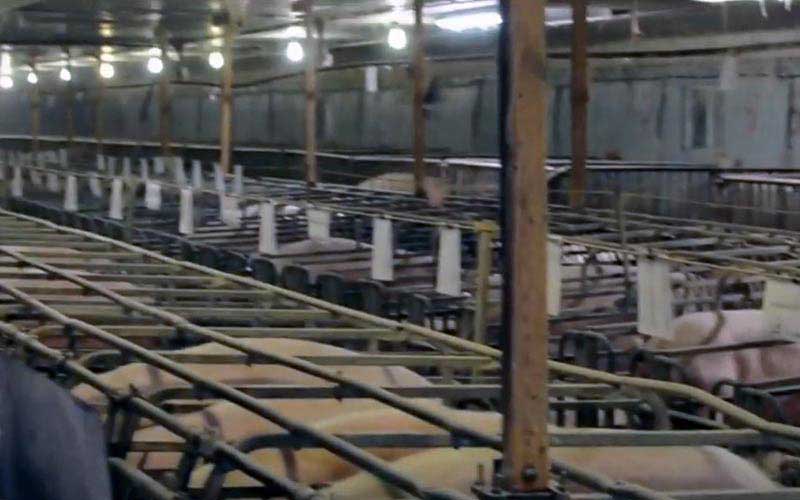
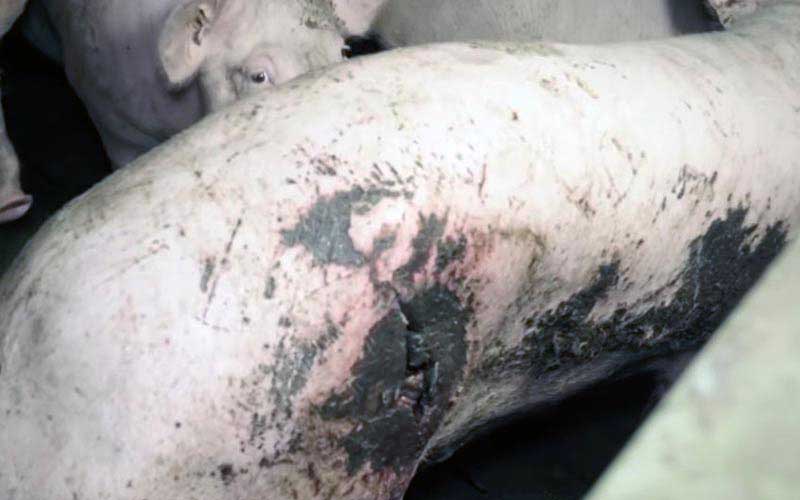
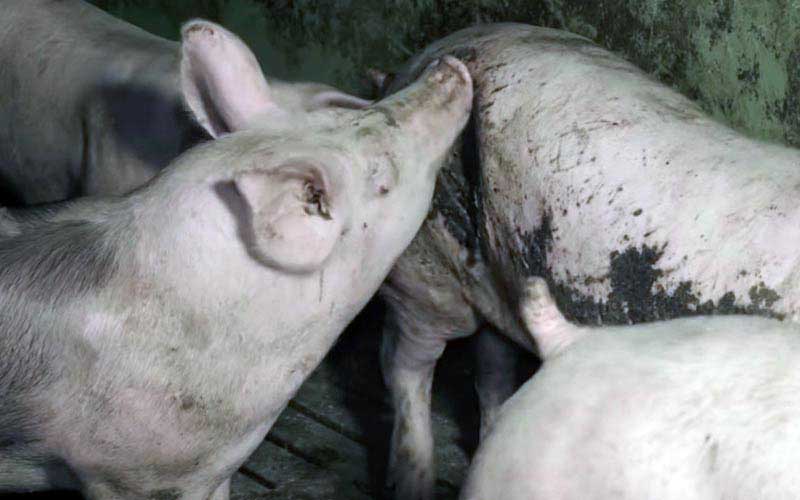
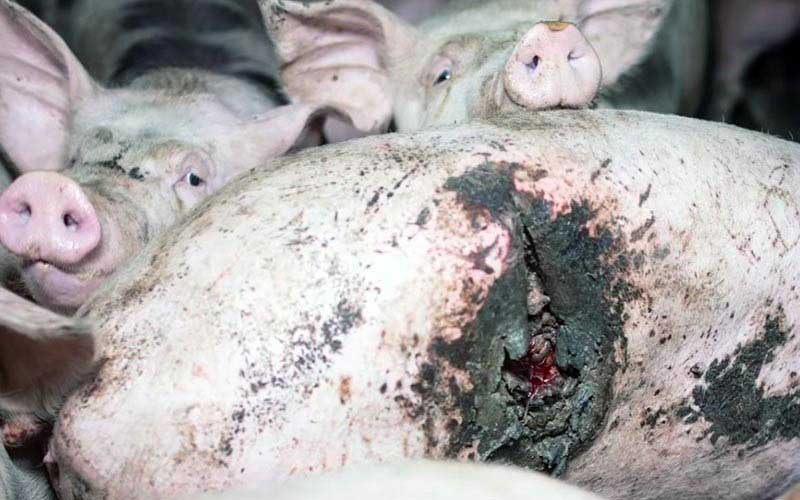
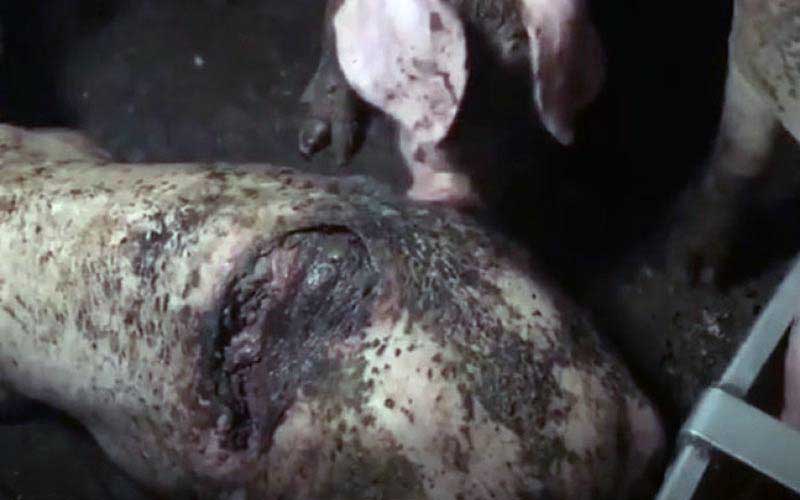
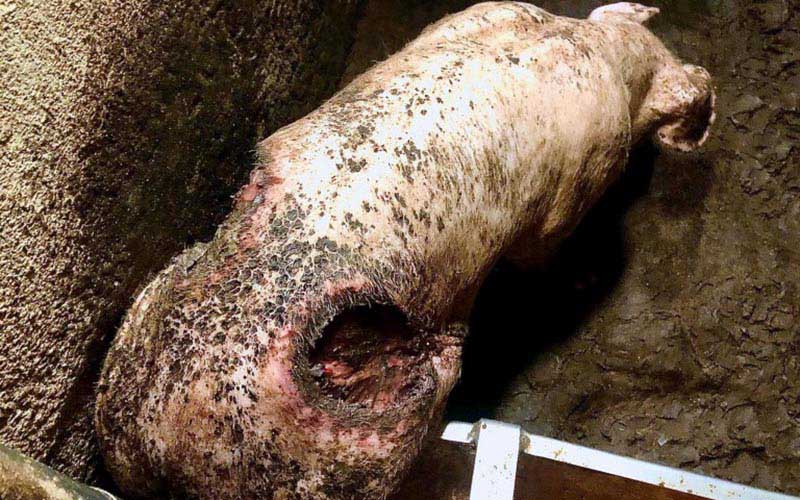
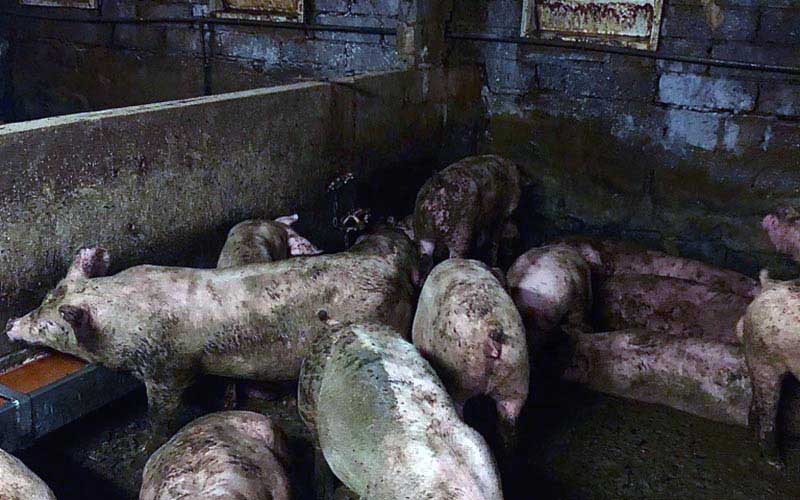
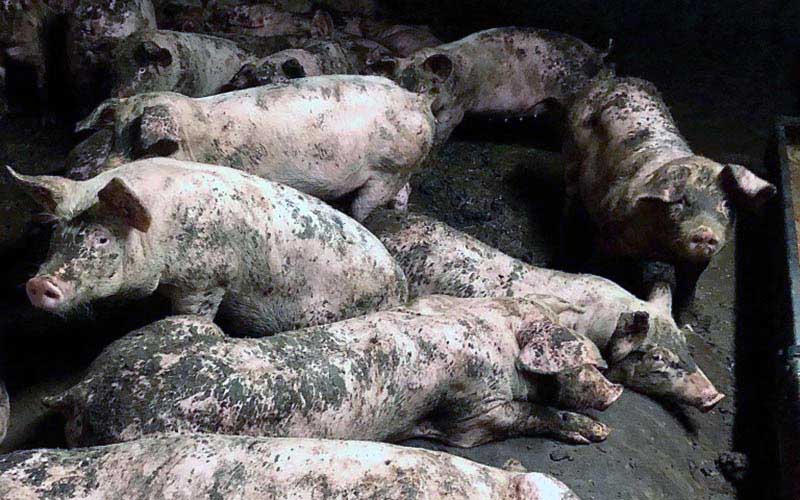
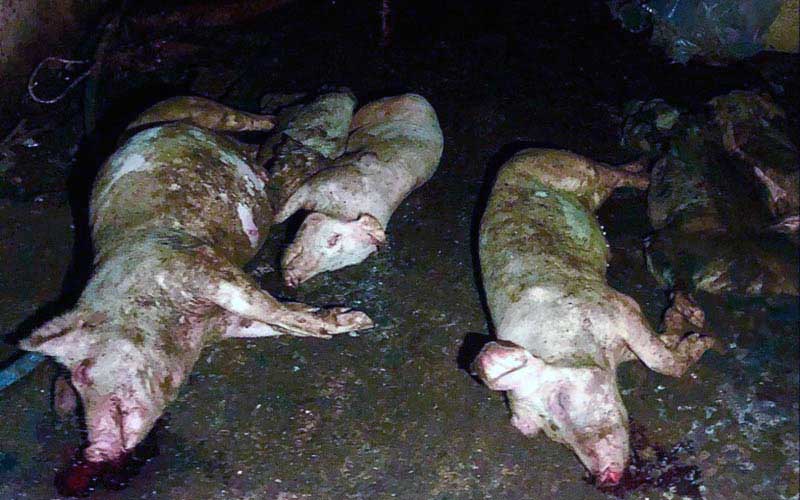
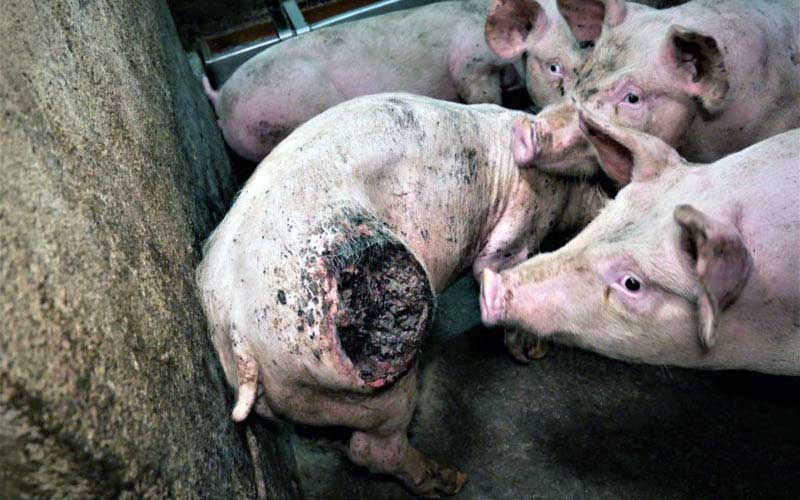
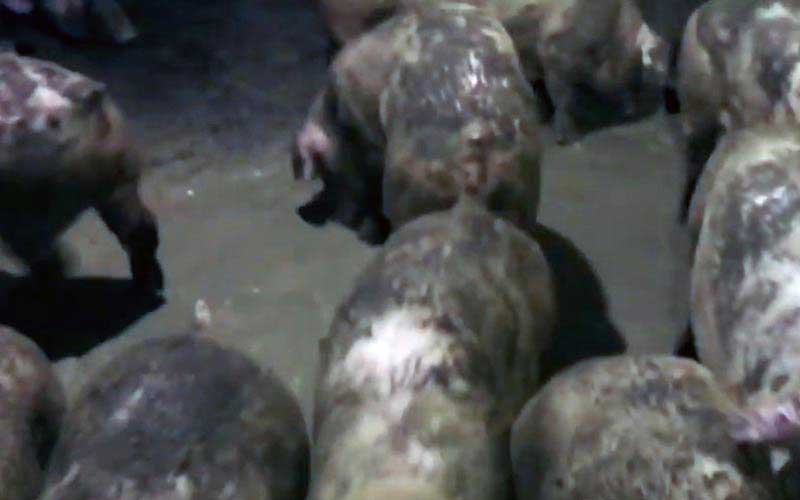
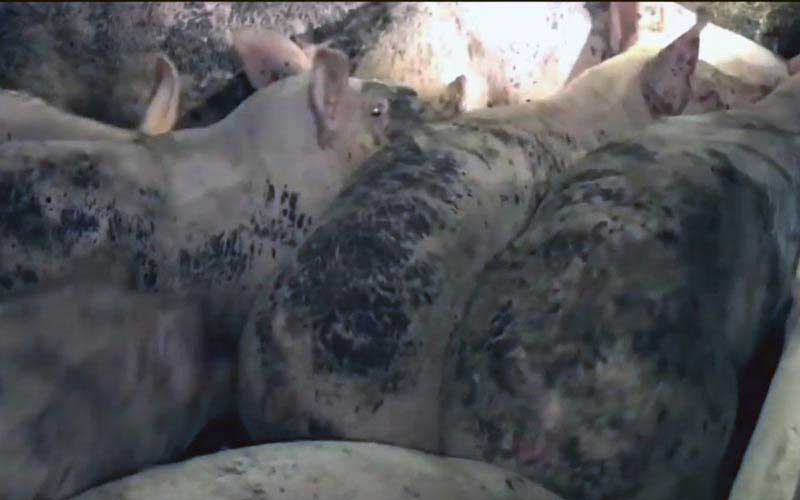
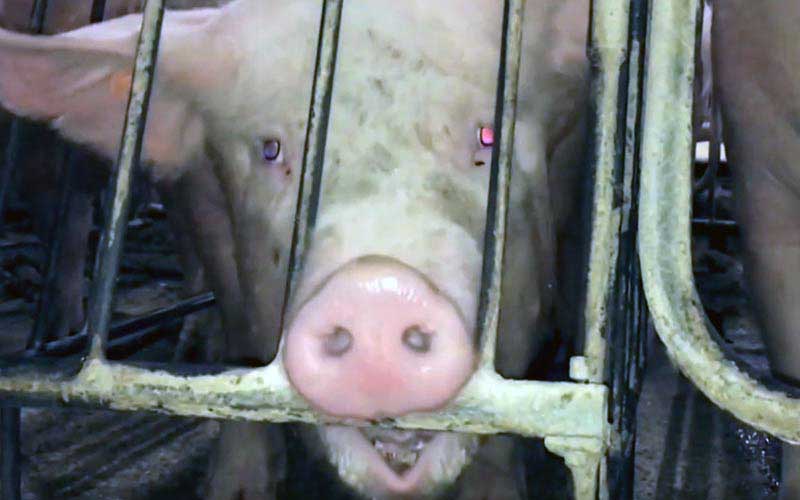
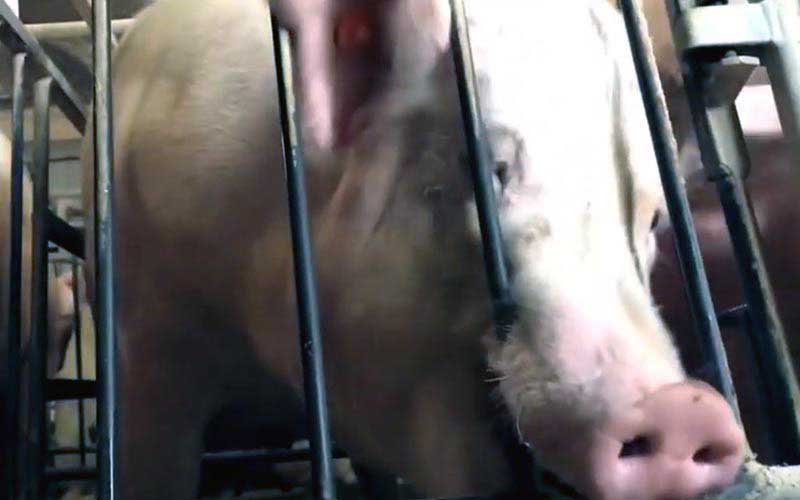
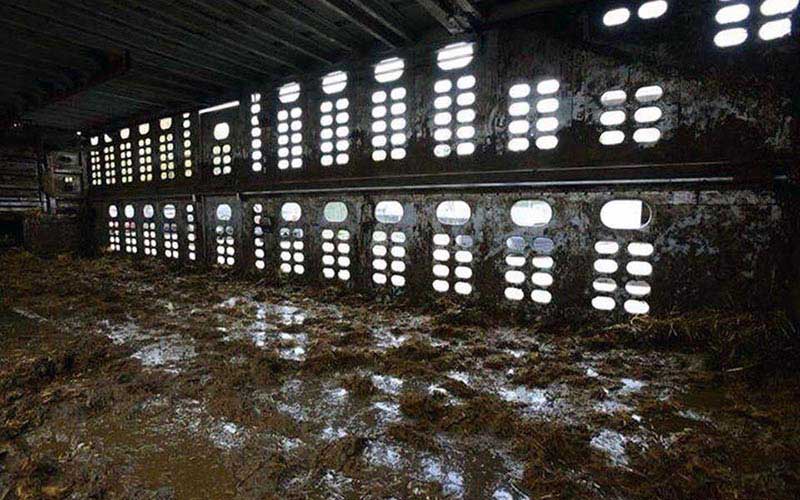
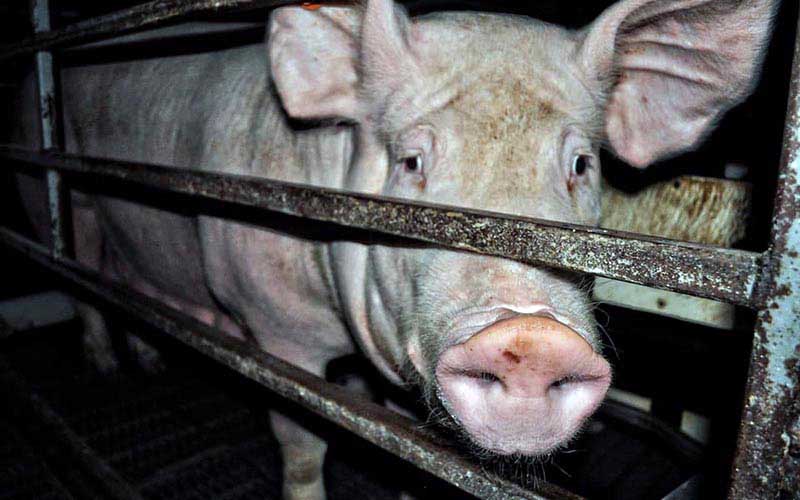
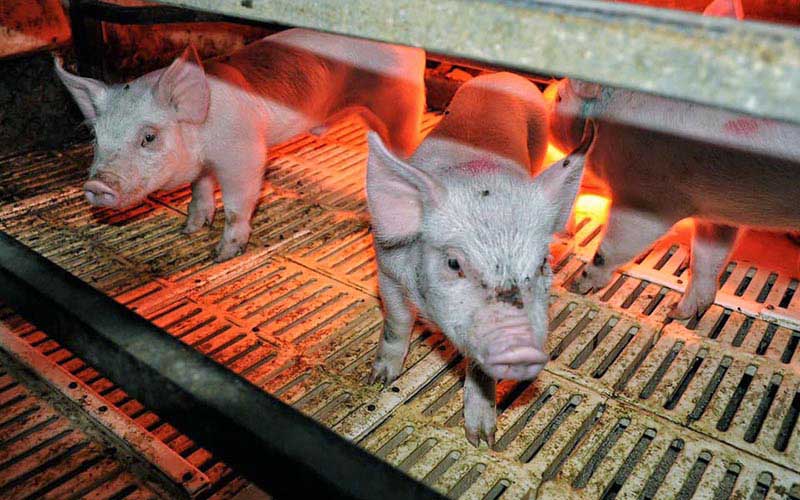
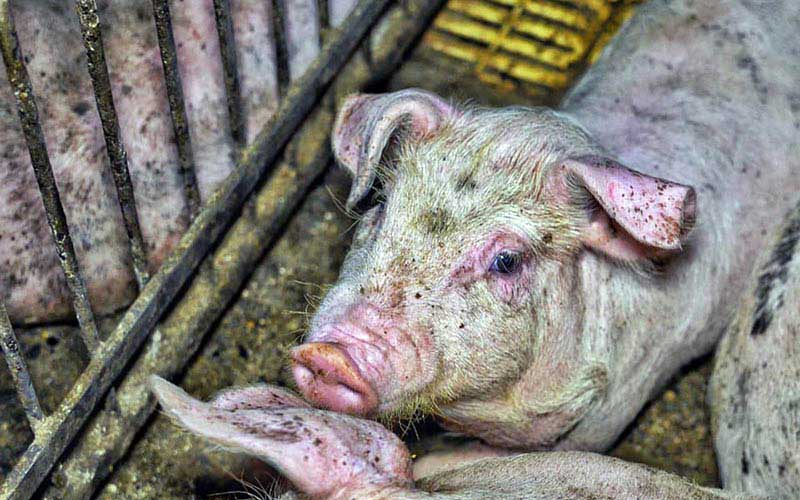
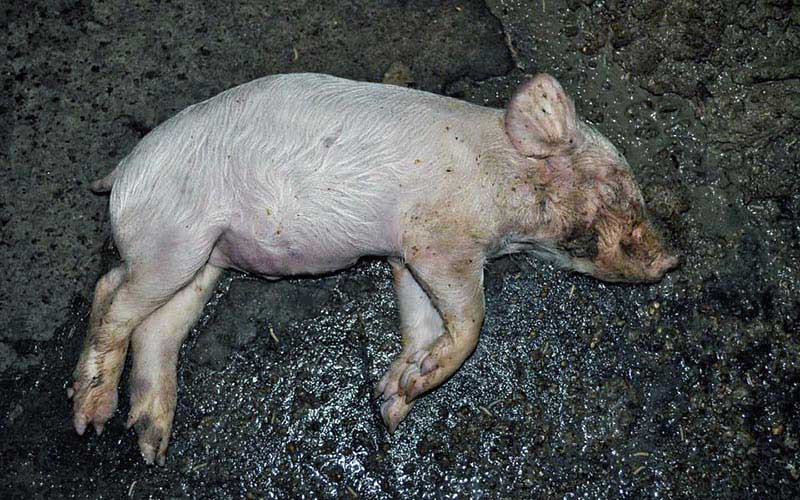
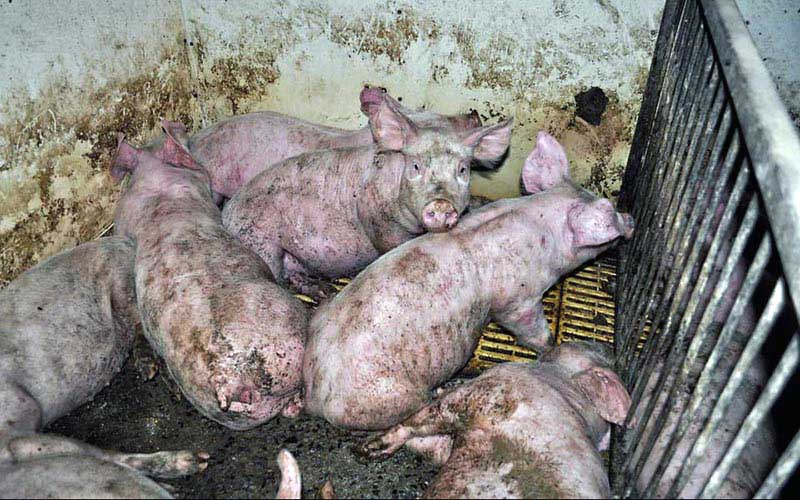
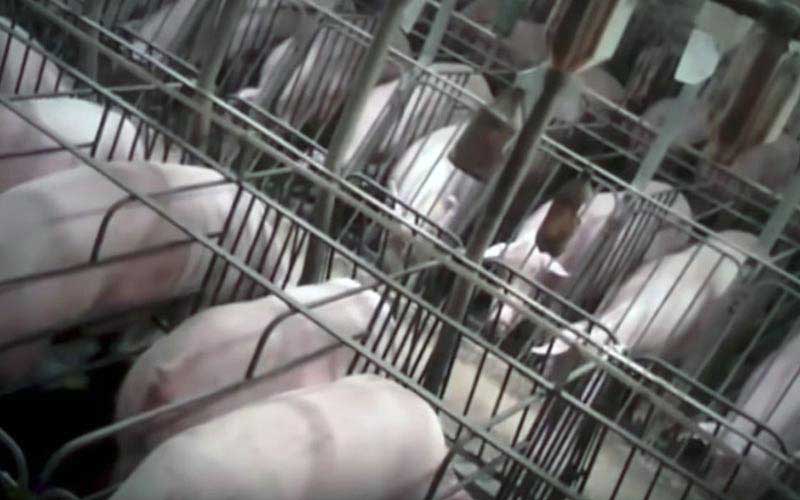
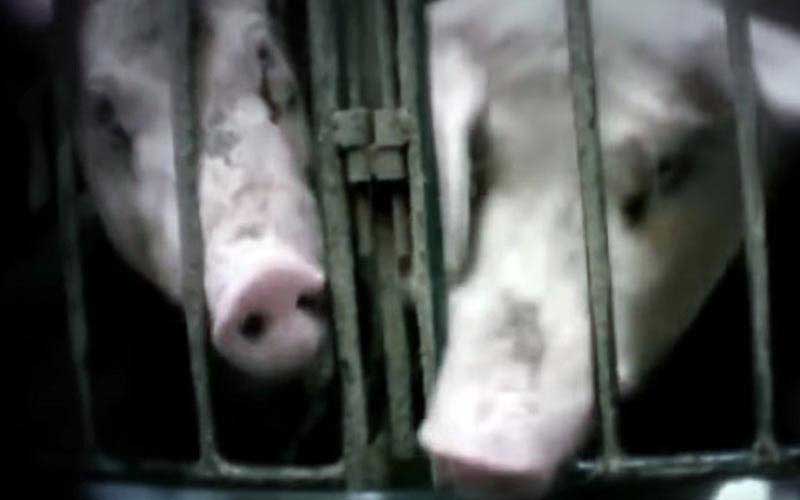
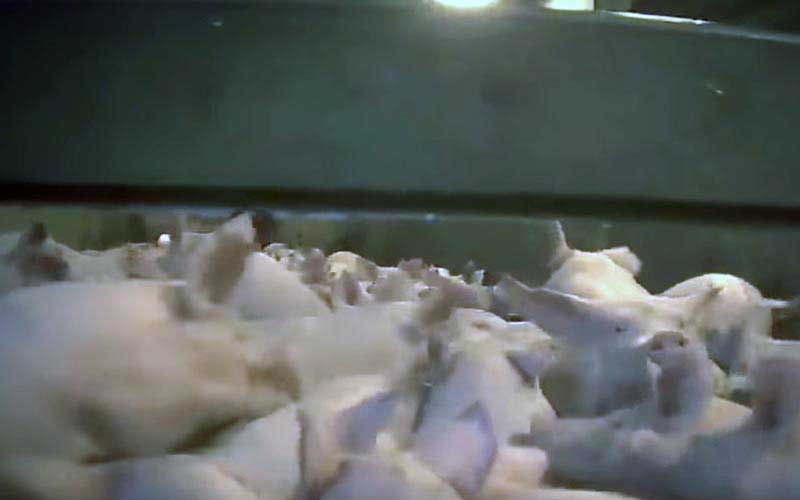
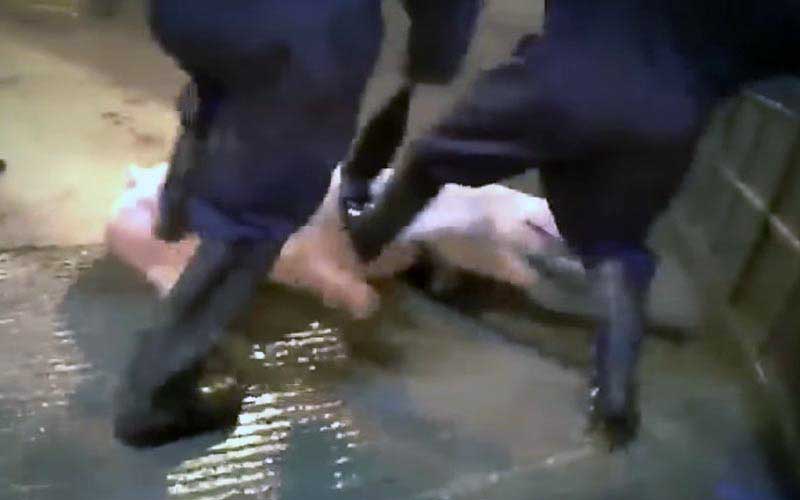
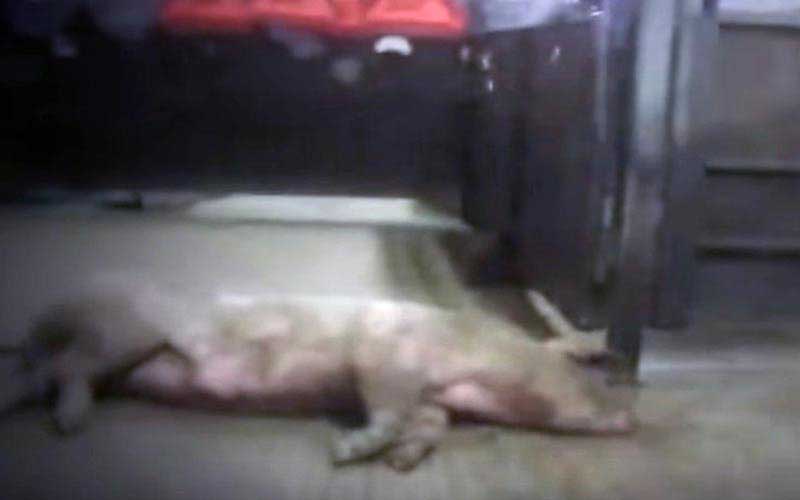
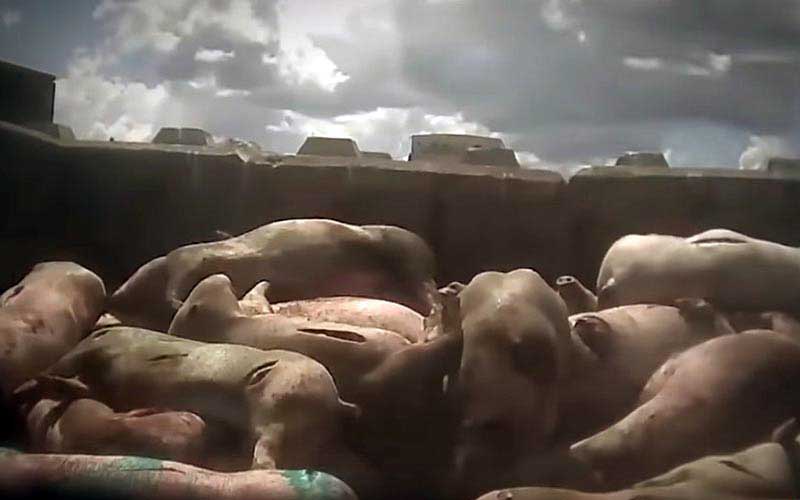
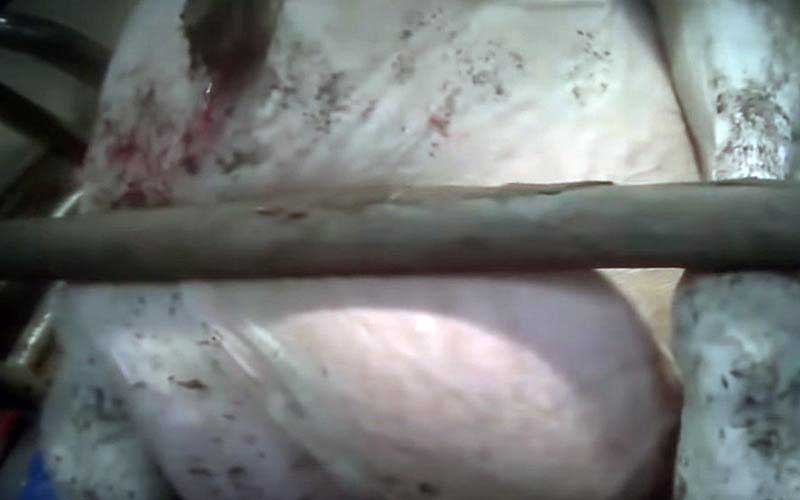
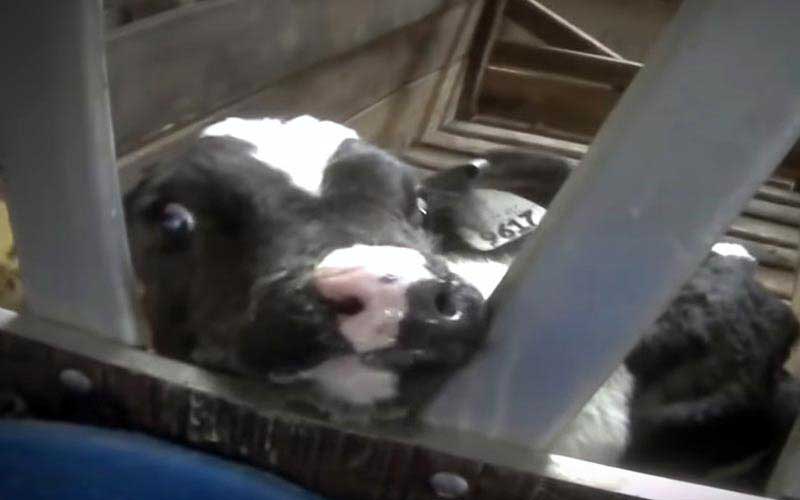
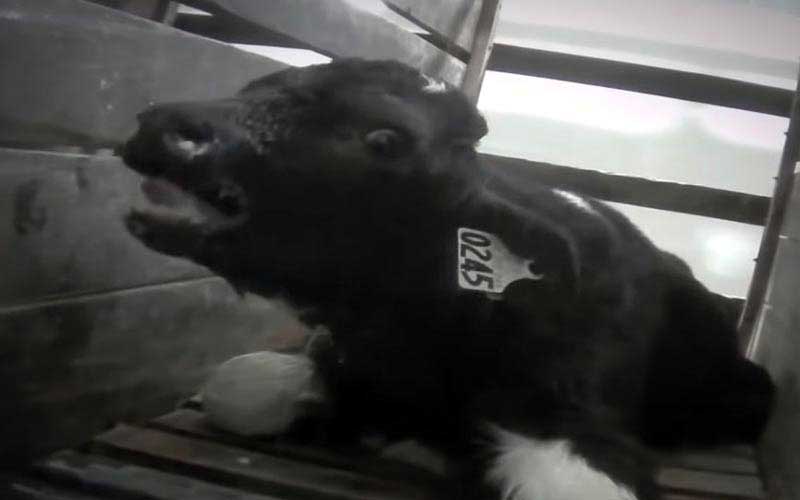
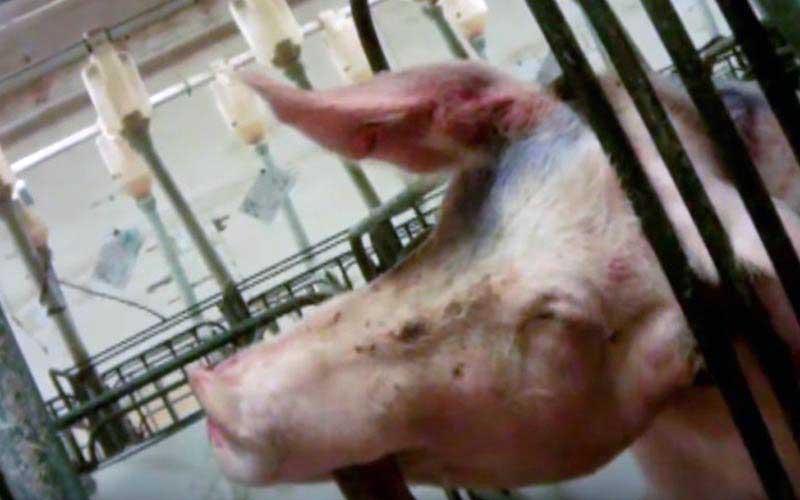
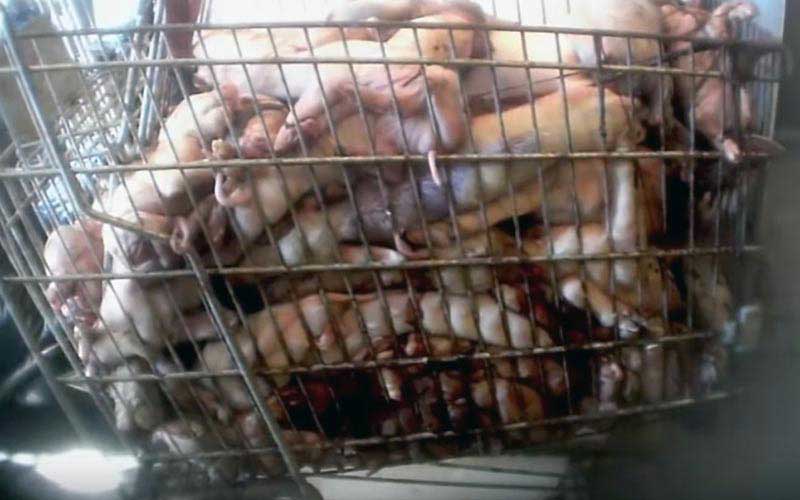
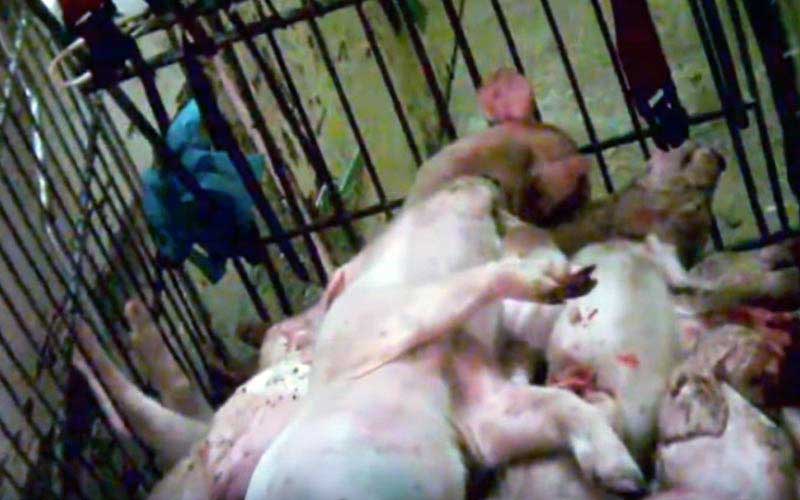
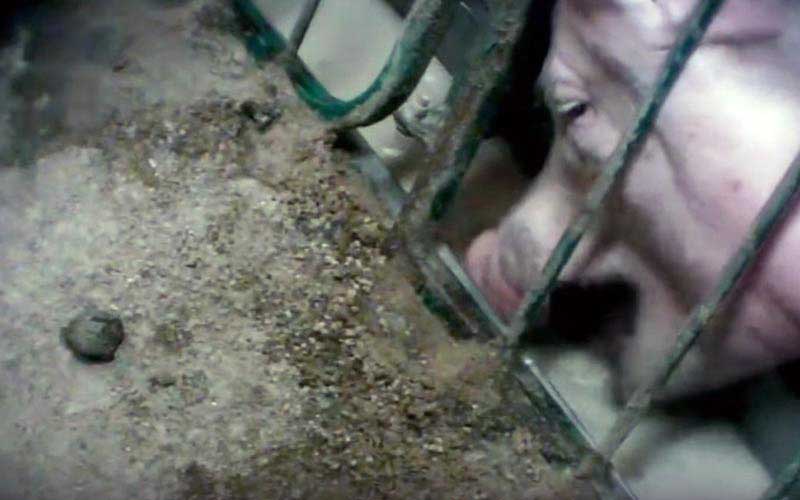
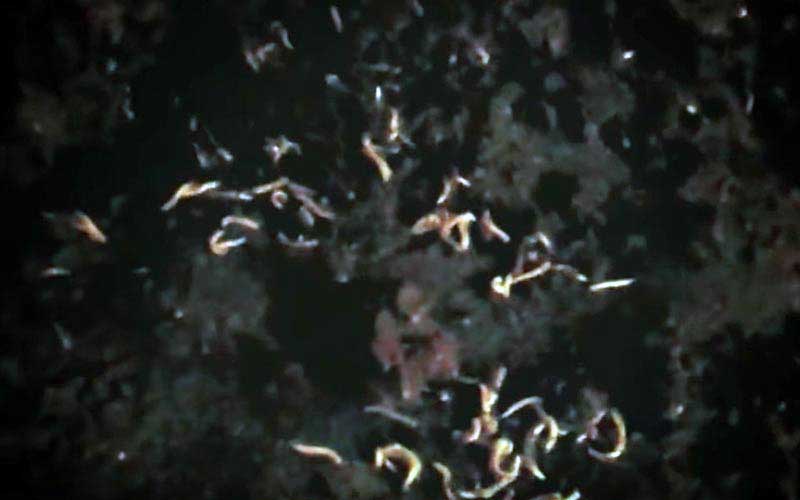
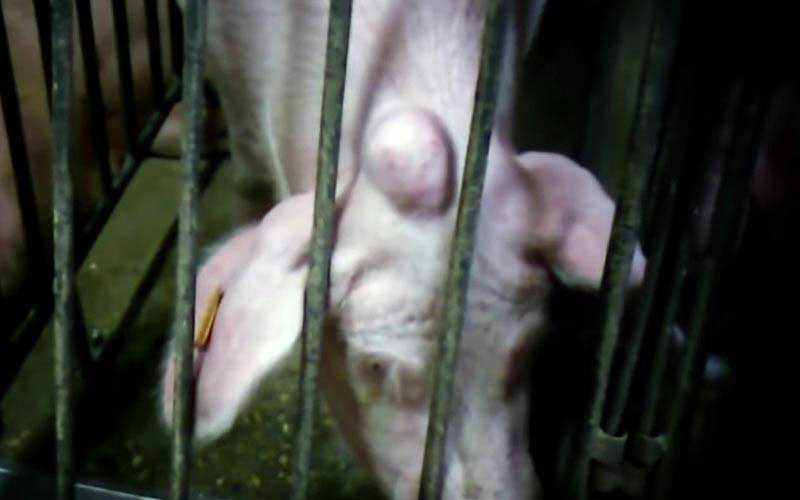
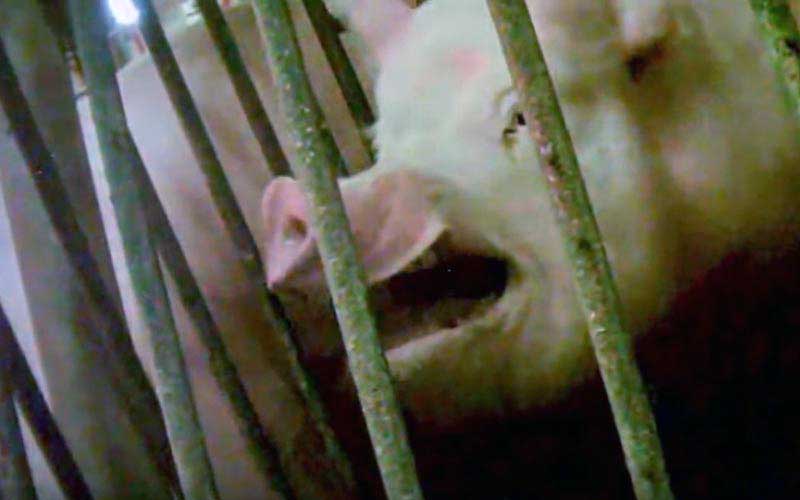
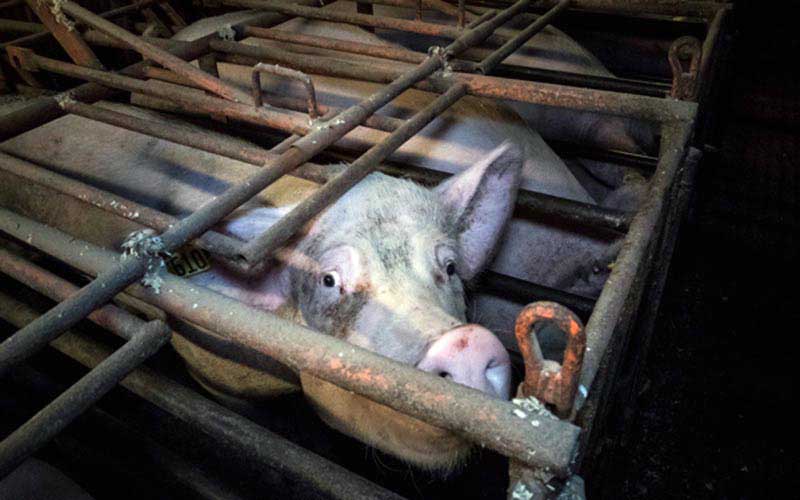
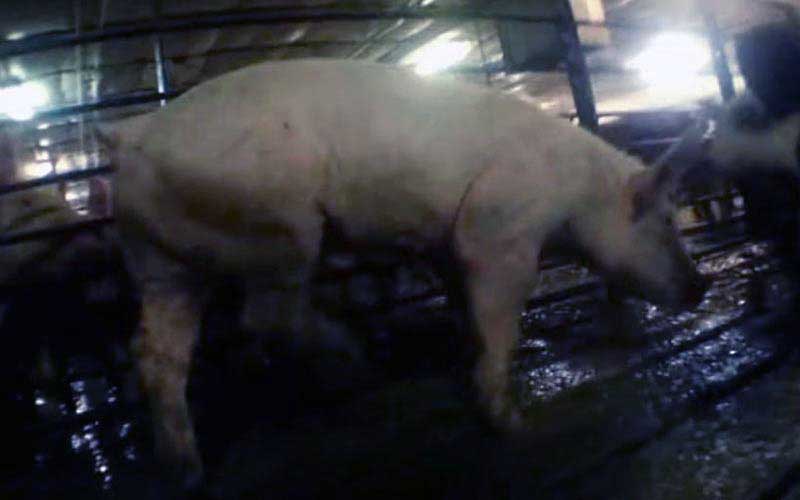
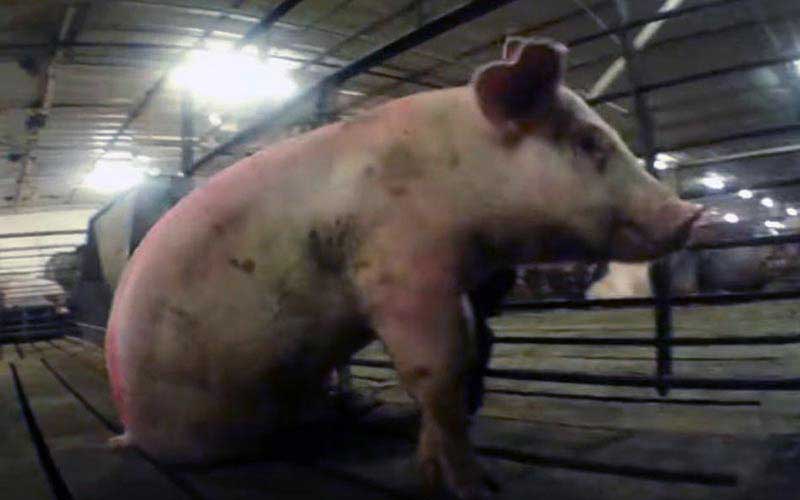
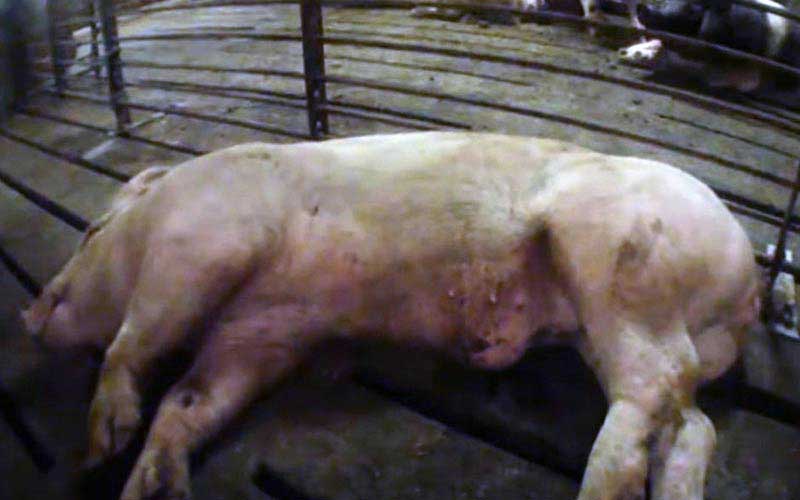
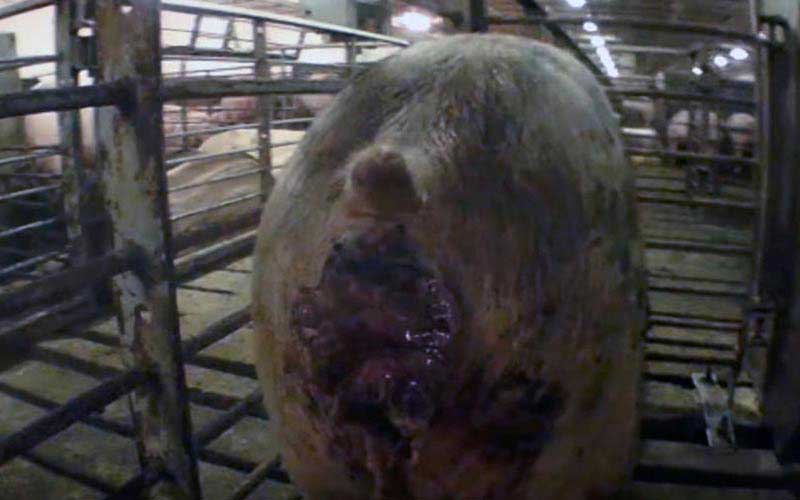
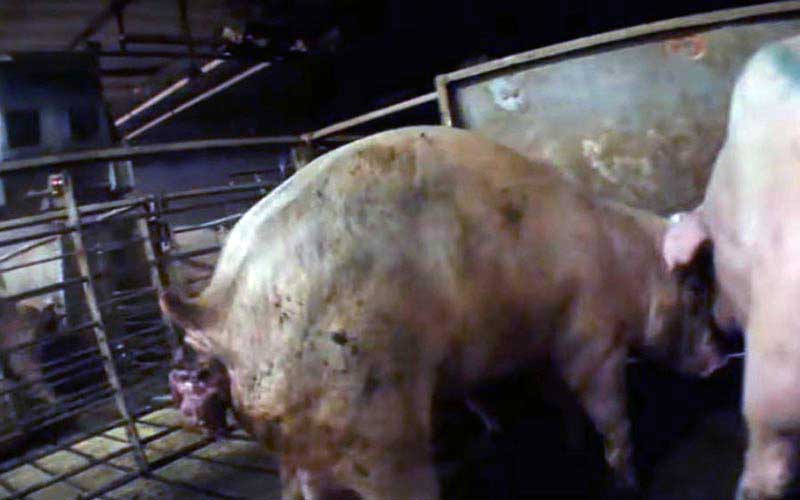
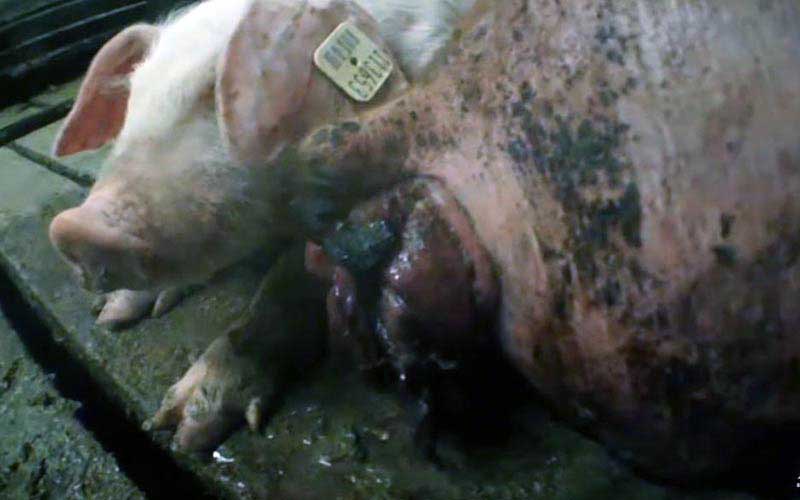
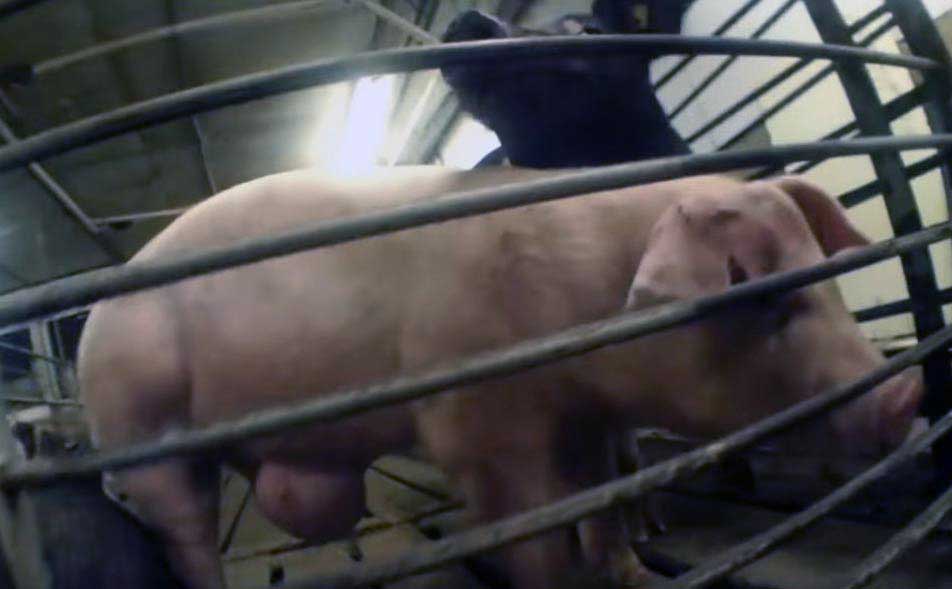
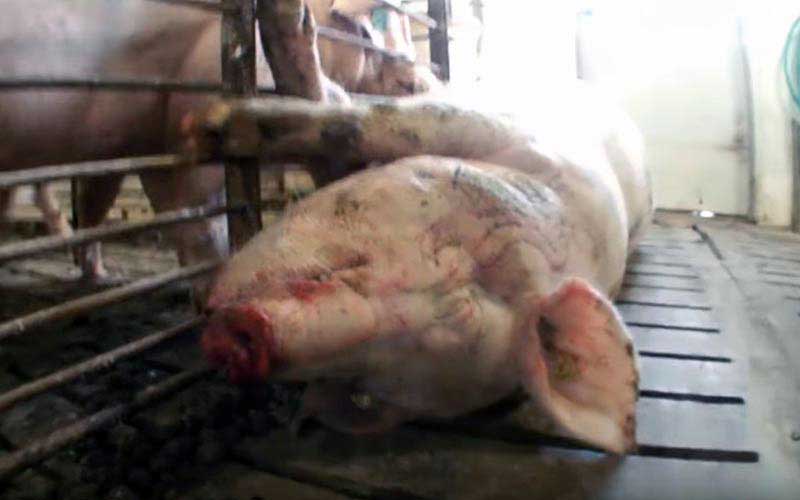
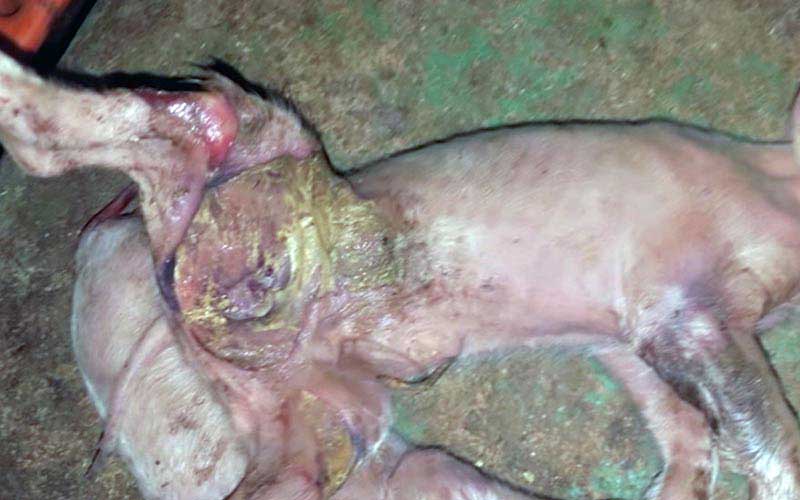
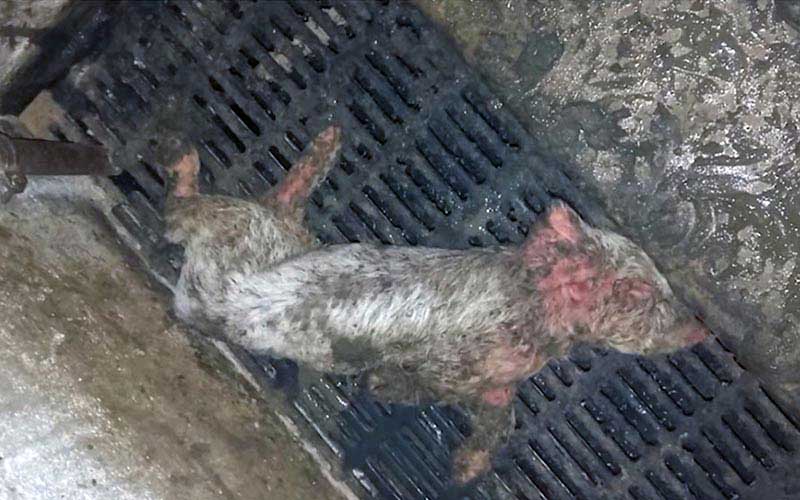
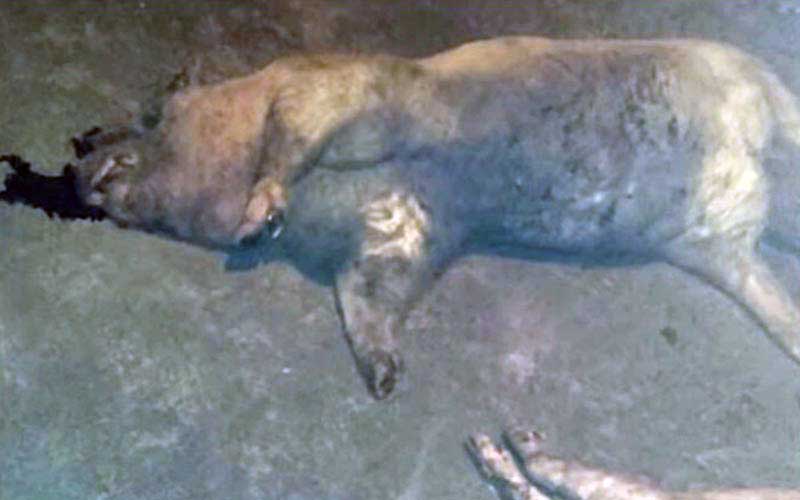
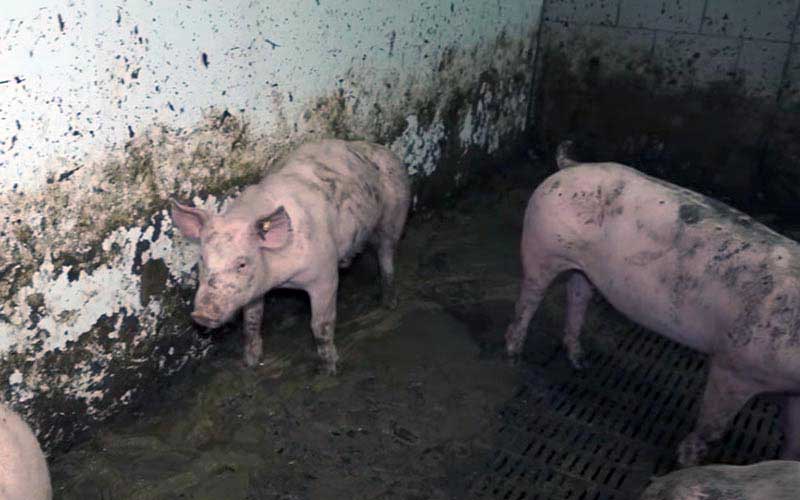
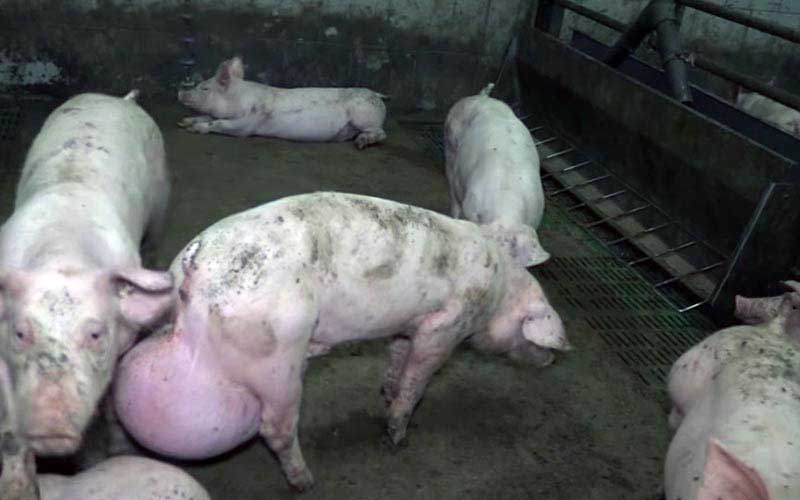
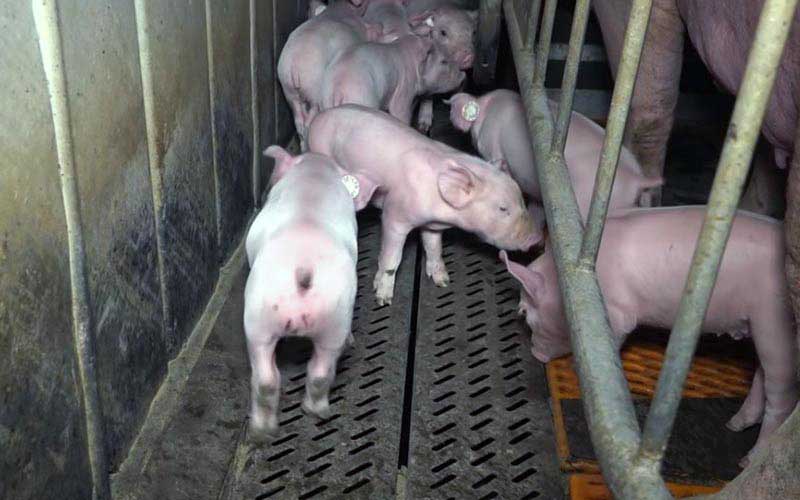
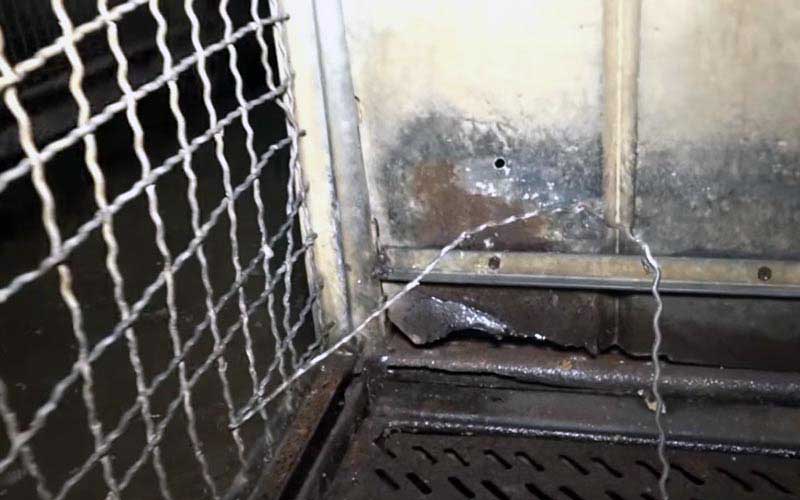
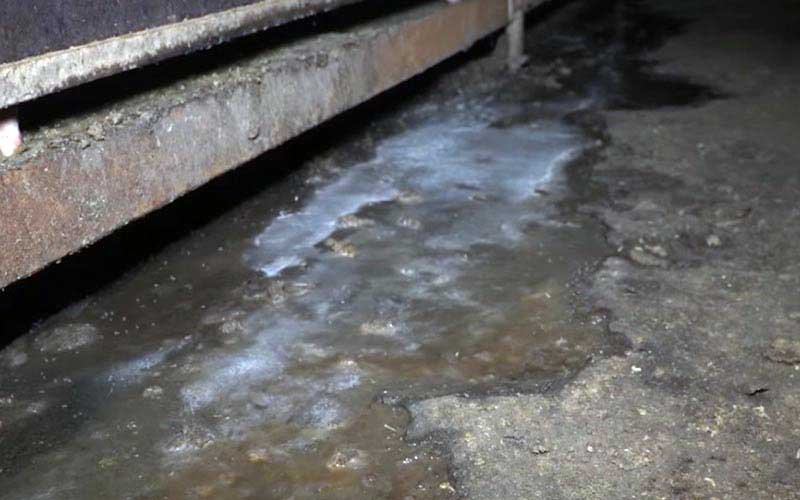
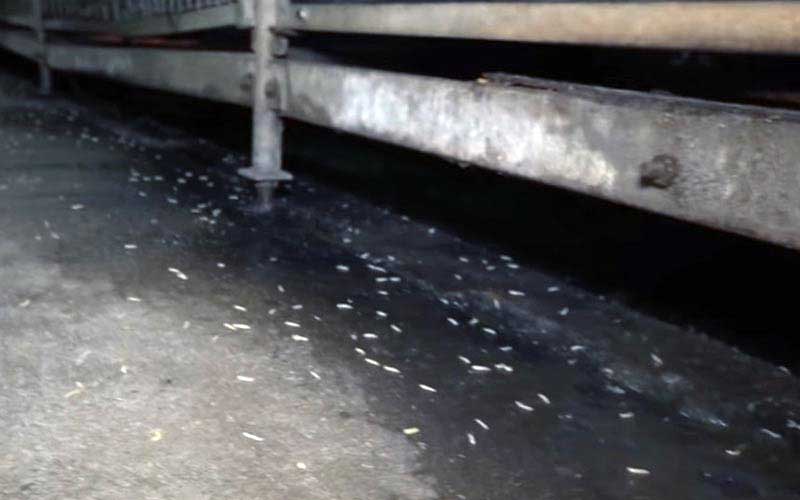
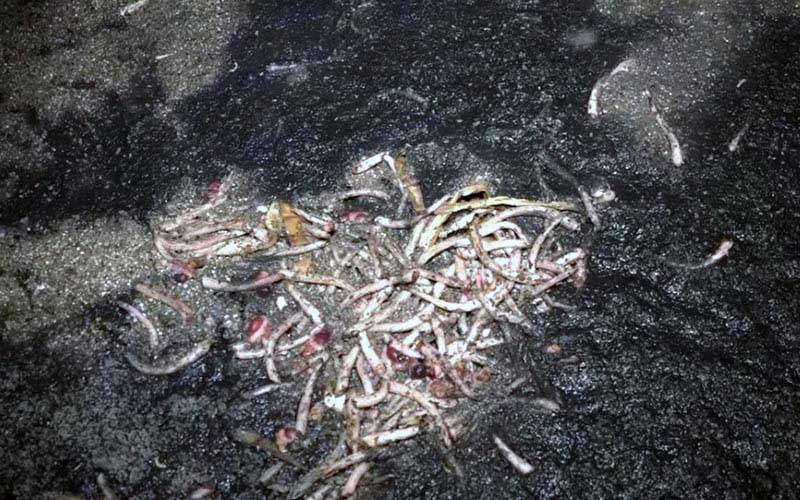
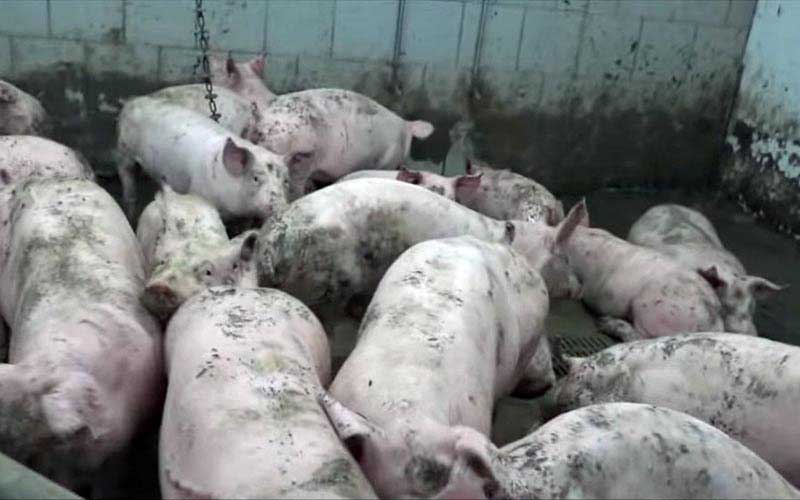
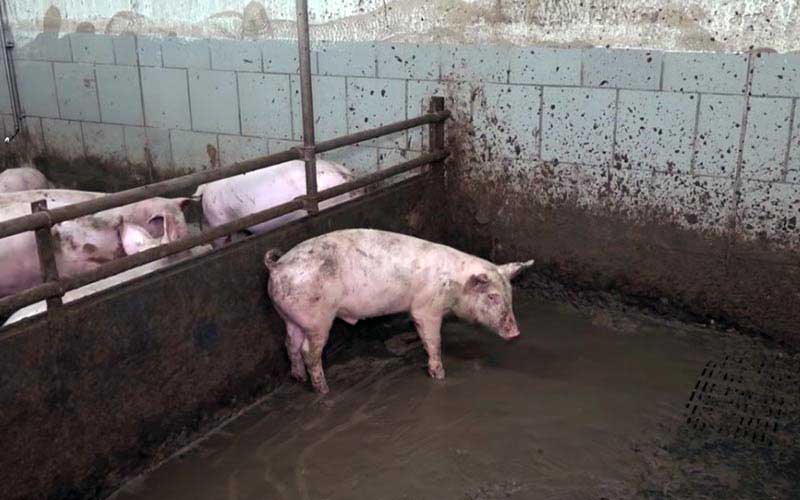
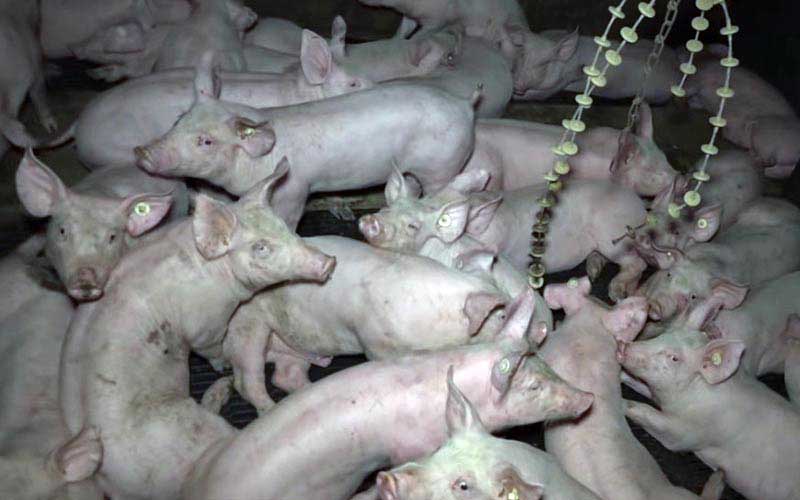
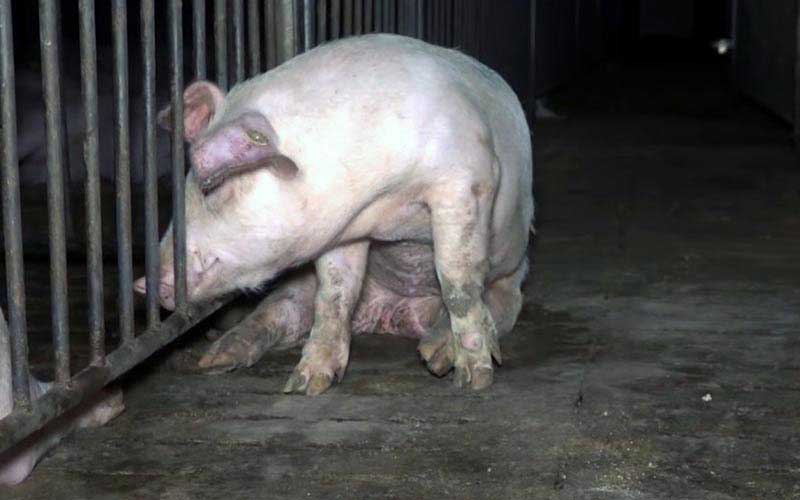
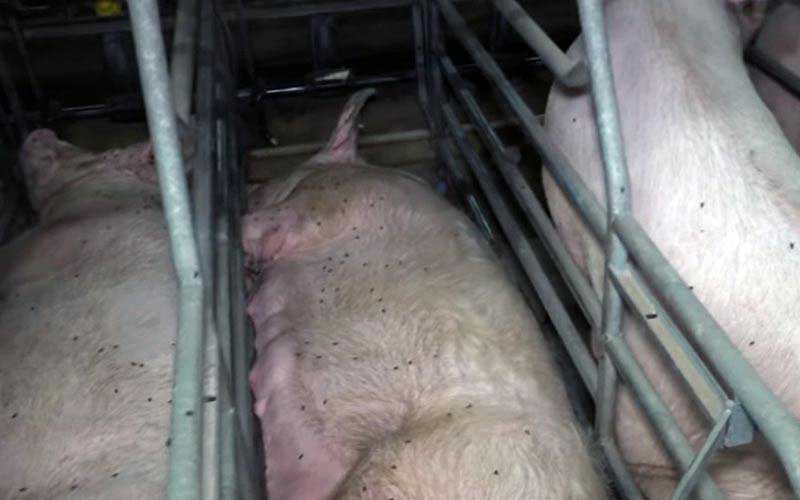
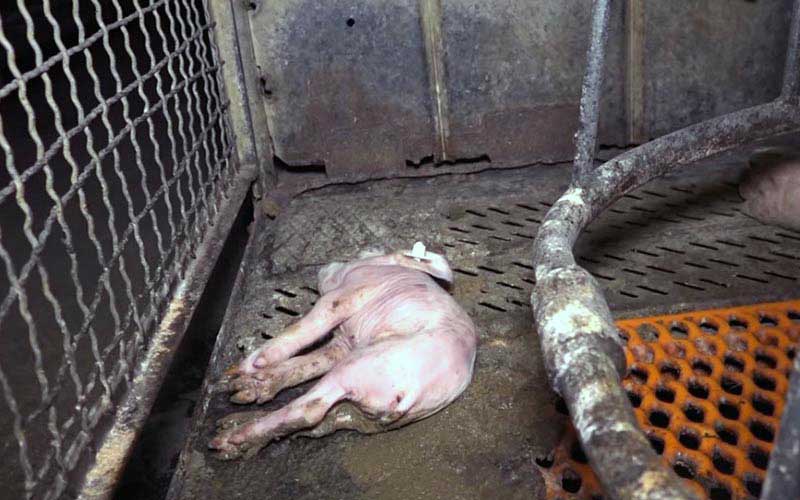
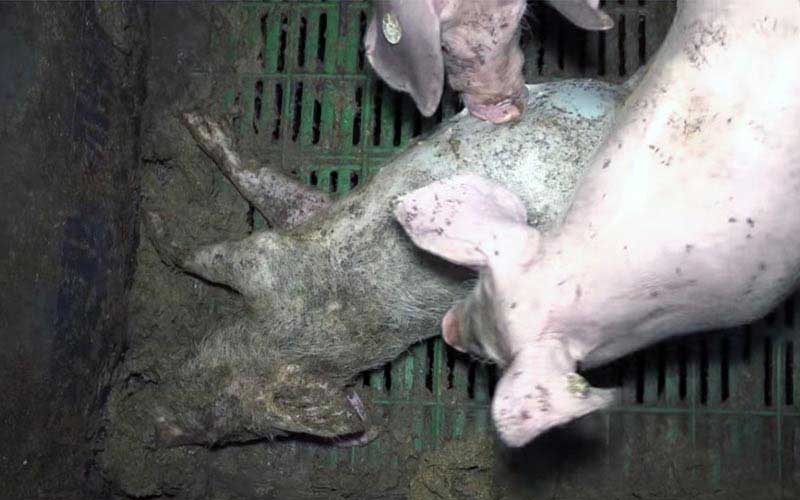
JAIL However, they are deprived of everything that is natural to them. They may never see the sun or breathe fresh air. In almost all cases, the pigs live penned and crammed in dull concrete enclosures or in overcrowded sheds in a deplorable state of hygiene: filthy enclosures, accumulation of droppings, profusion of flies, stagnant water. The corpses of pigs of all ages, adults or piglets litter the ground. Some are in an advanced state of decay, left among living animals.
PHARMACOLOGY Many antibiotics are used (some are classified as critically important by the WHO). Growth hormones (dexamethasone, a doping product prohibited for athletes) are also present in the breeding. 20% of pigs die between birth and the age of departure for the slaughterhouse.
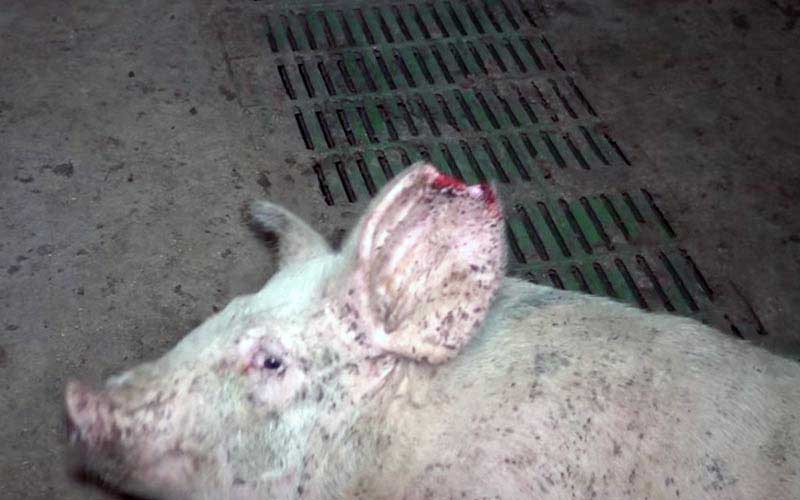
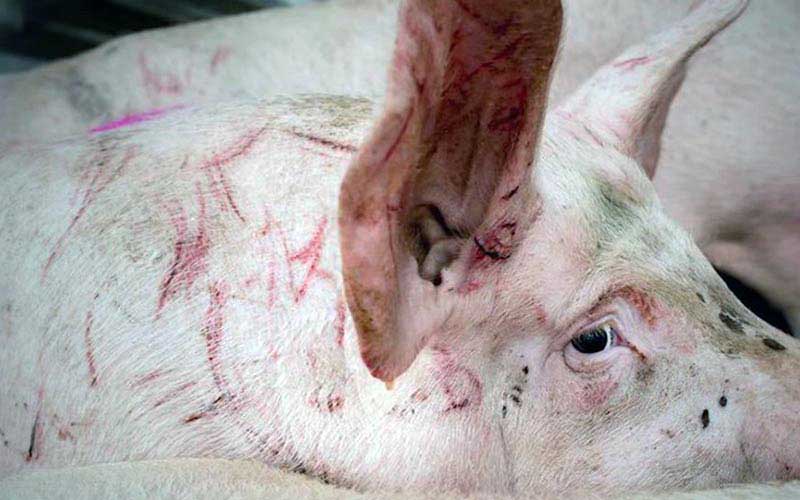
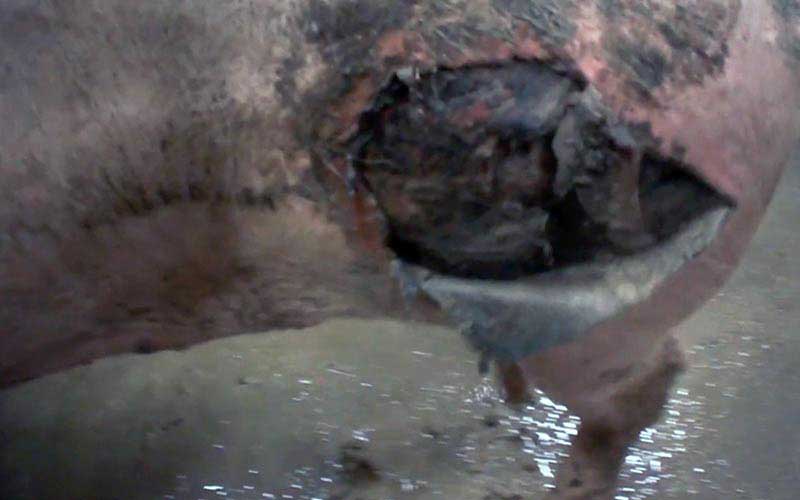
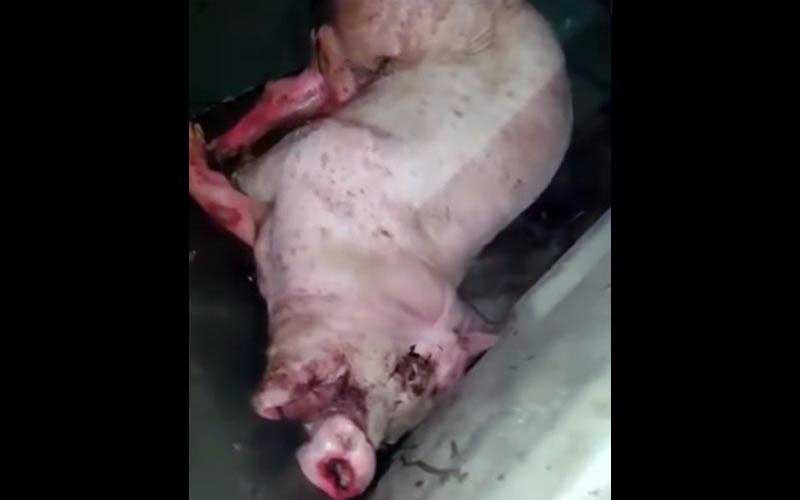
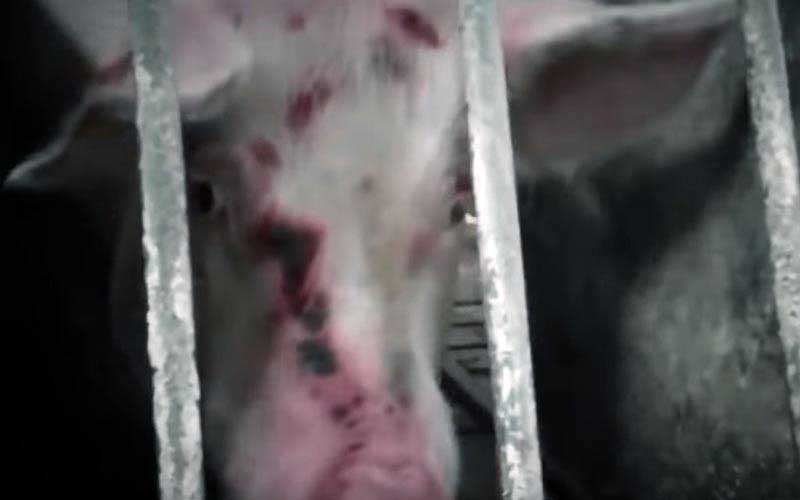
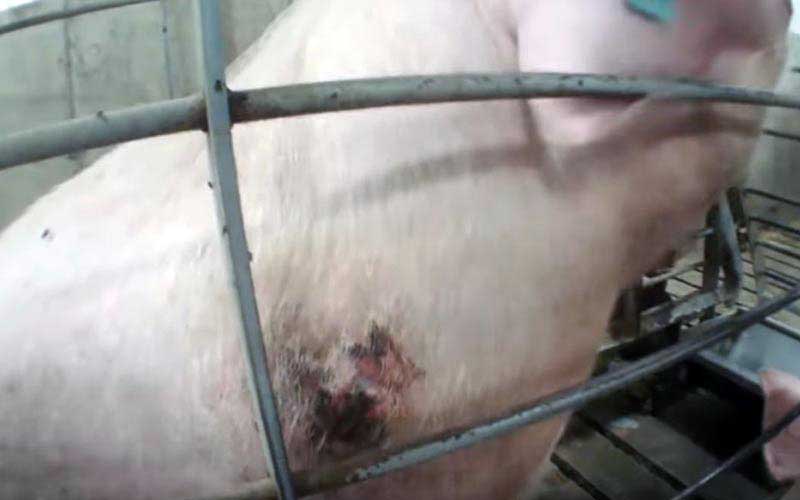
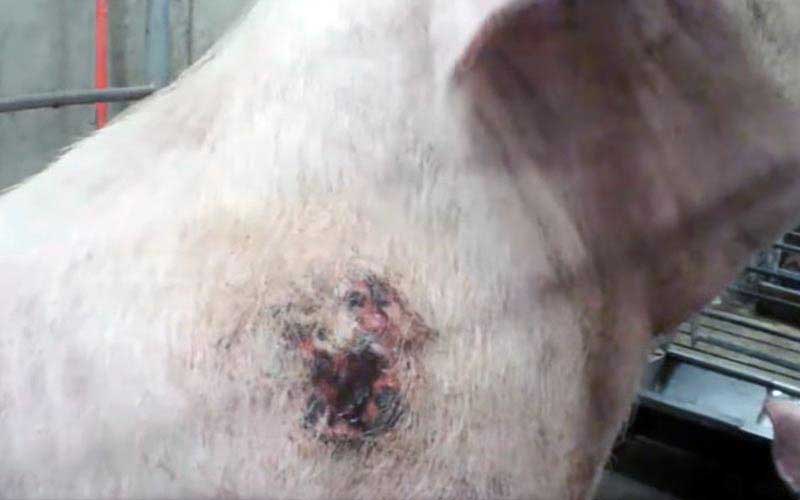
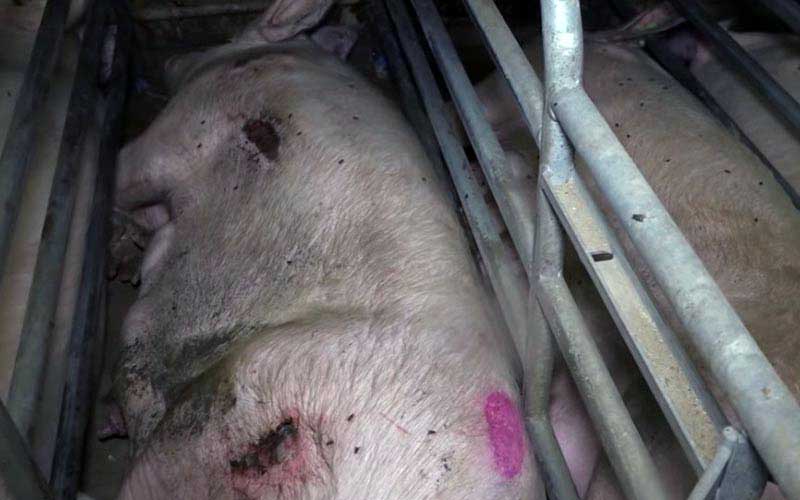
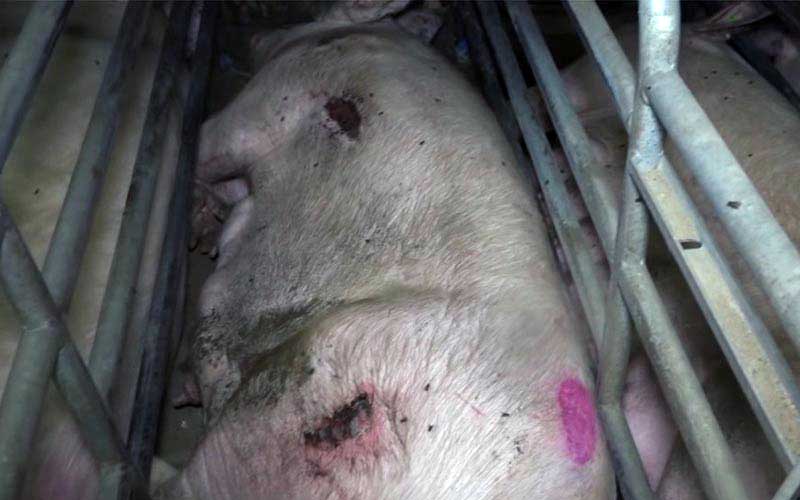
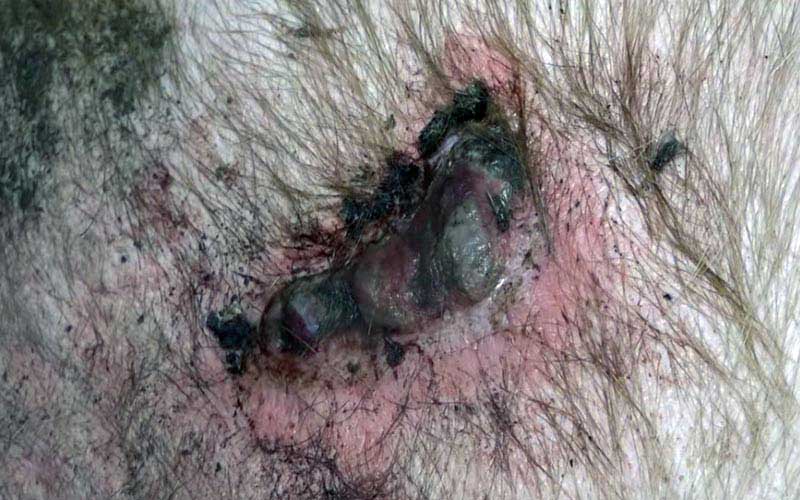
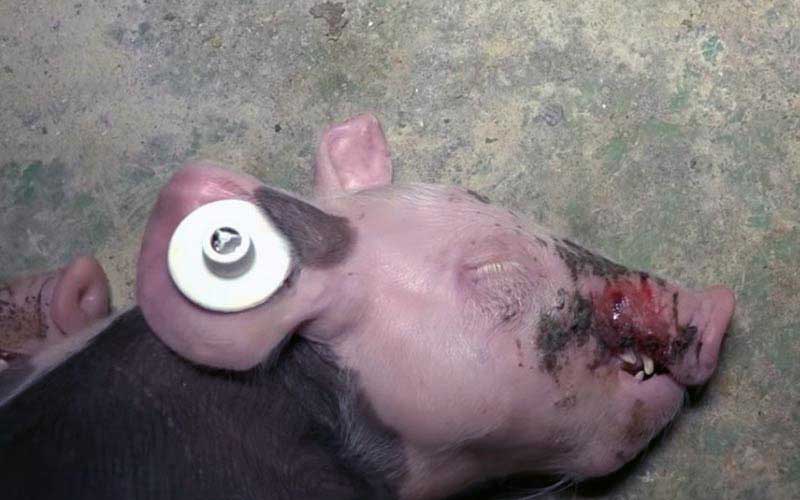
MENTAL HEALTH and ITS CONSEQUENCES The frustration and stress caused by this extreme confinement can lead to aggressive behavior, such as: fighting, tail-biting (biting the tails of congeners), biting the ears of congeners, or even stereotypies (pathological repetitive movements). Pigs with open wounds are eaten by their fellows. Male pigs experience chronic pain from placing a ring in their snout.
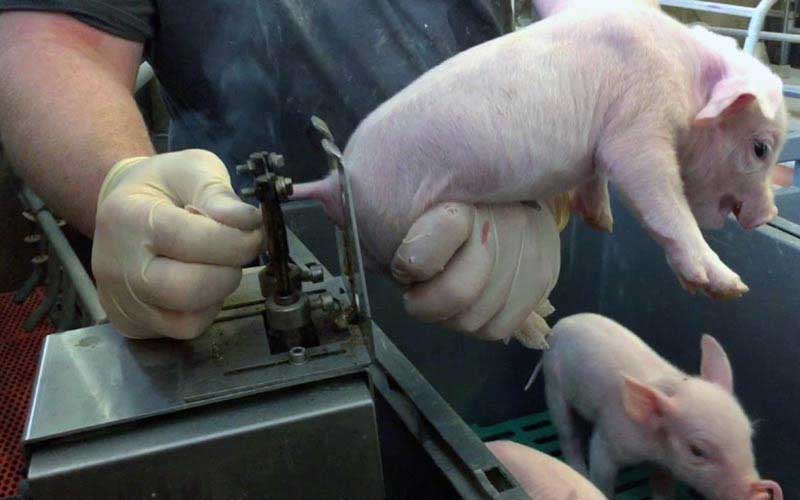
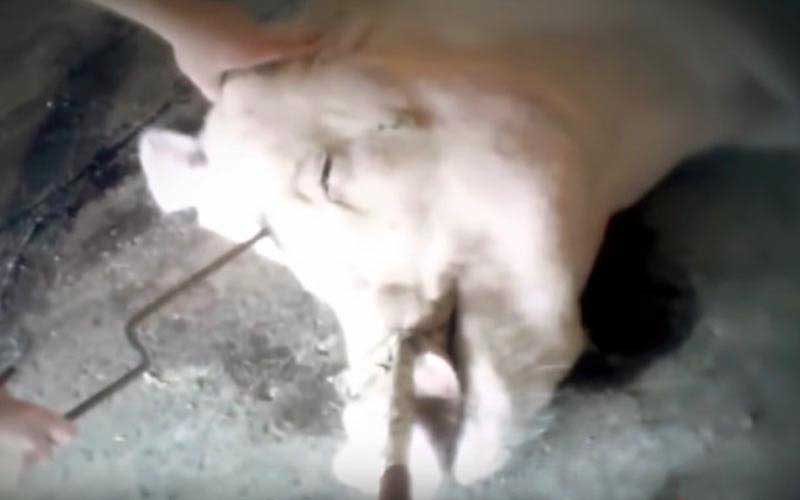
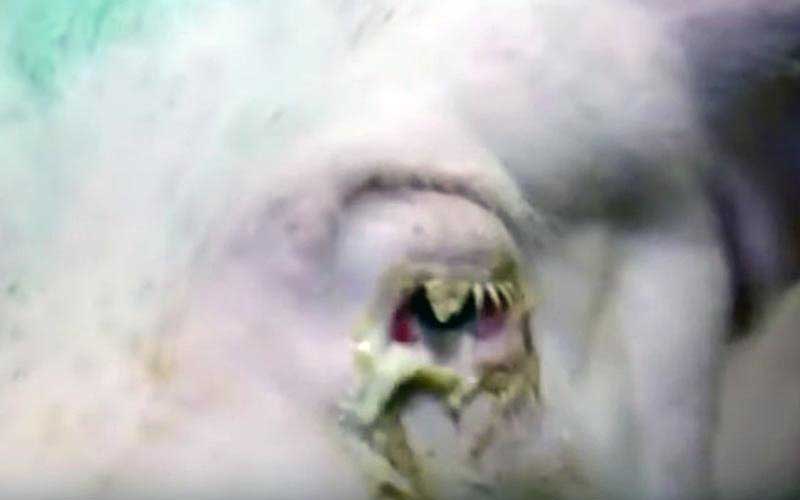
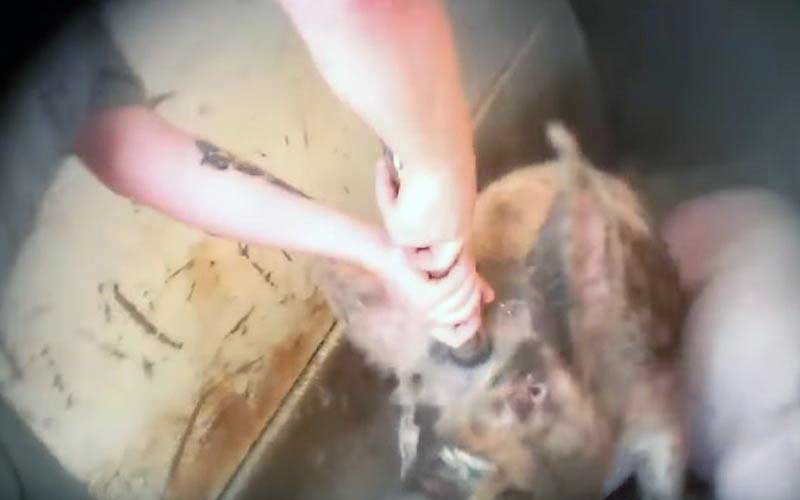
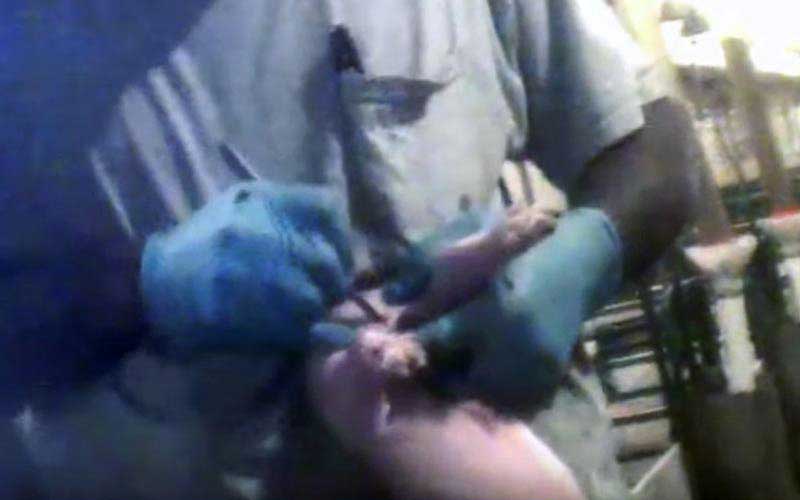
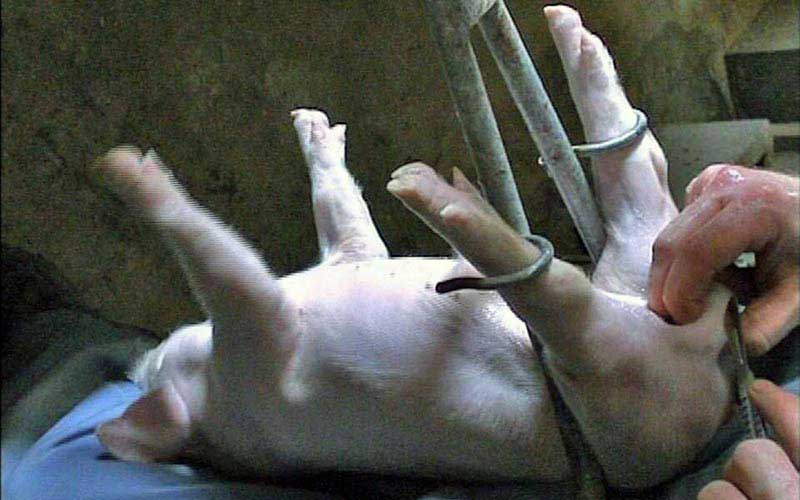
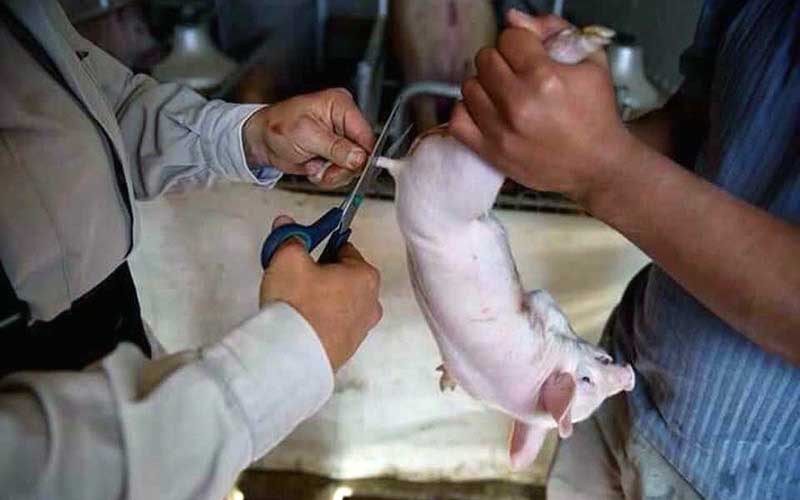
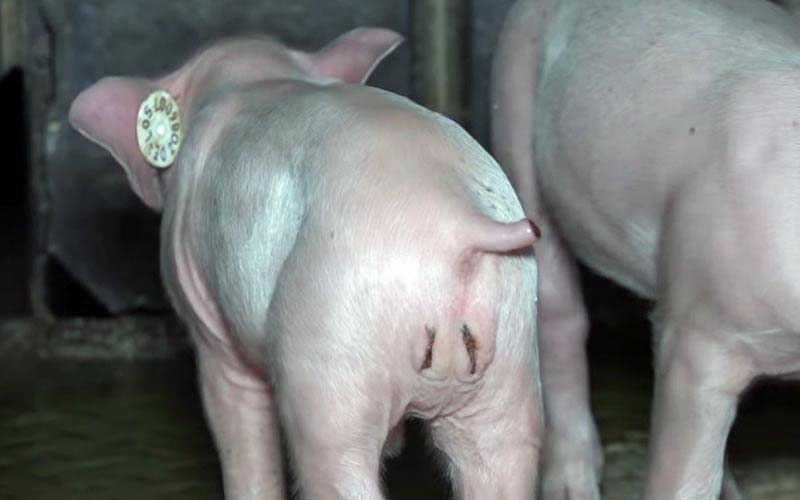
TORTURE To limit the consequences of these attacks, male and female piglets are almost systematically subjected to two types of mutilation, performed live, from an early age: cutting the tails to avoid tail-biting (this mutilation generates chronic pain similar to those described in humans after amputation) and trimming (or “grinding”) of the teeth to avoid injury to the udders of sows (this mutilation can cause late pain associated with inflammatory reactions and abscesses).
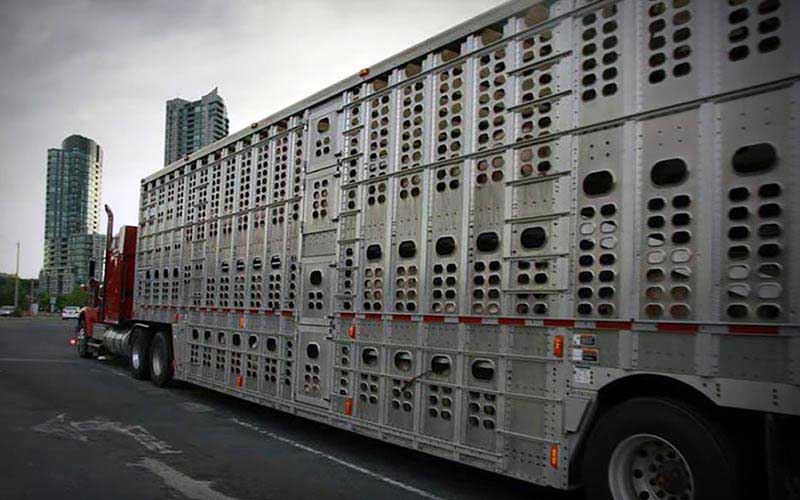
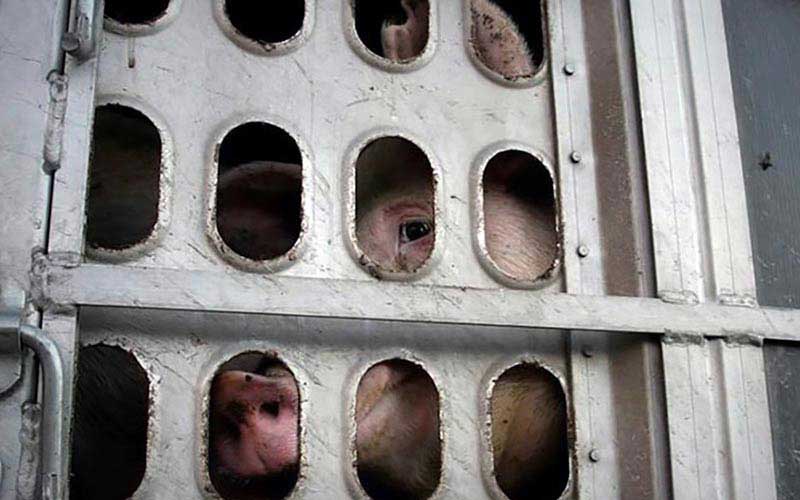
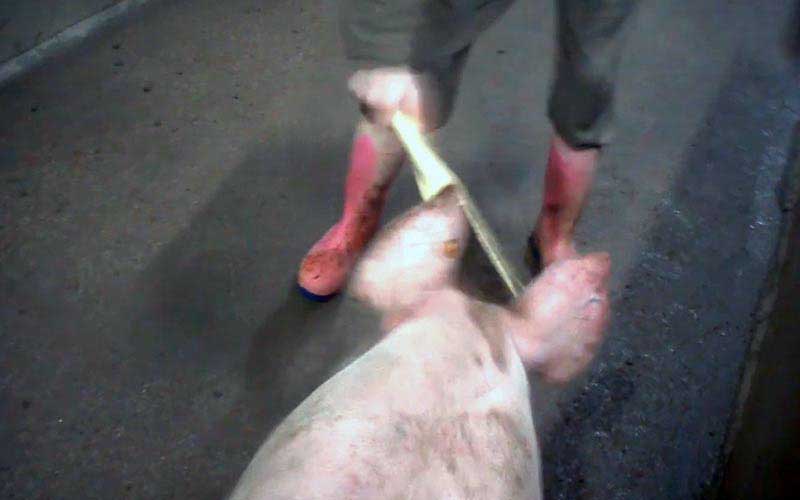
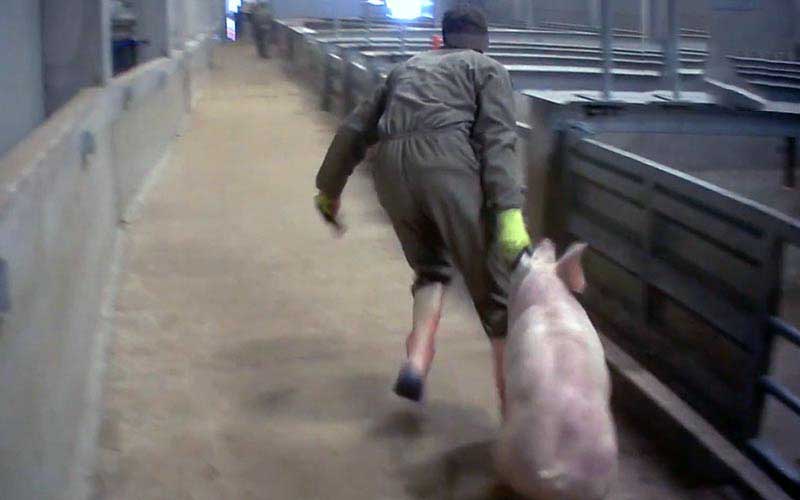
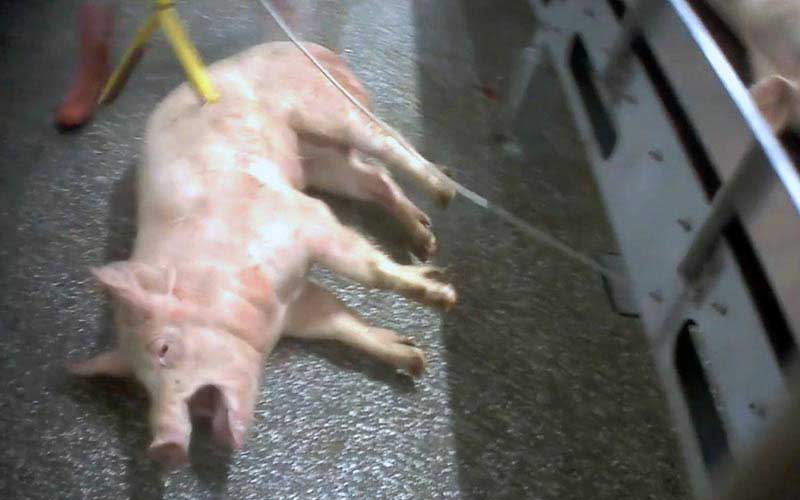
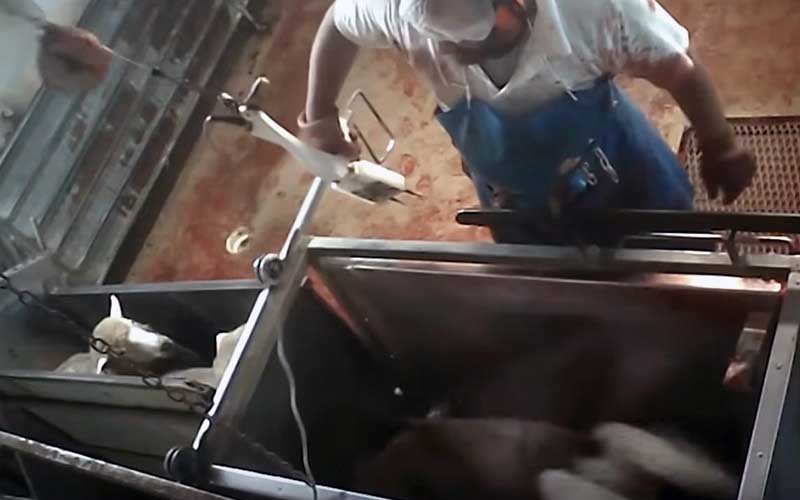
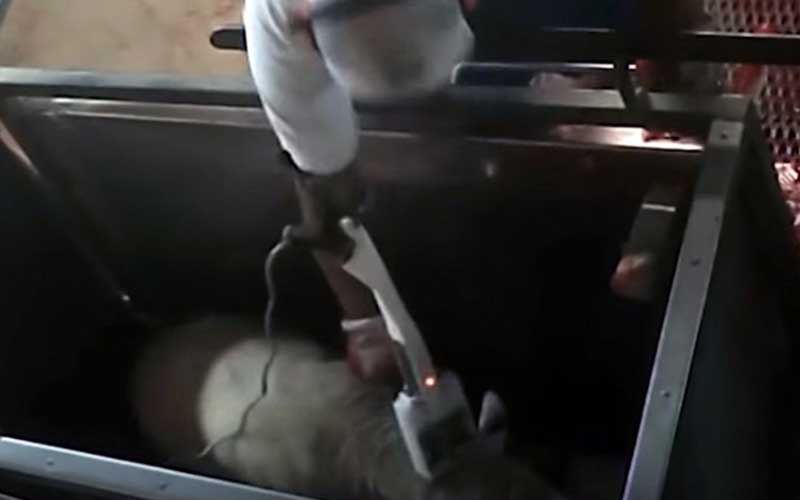
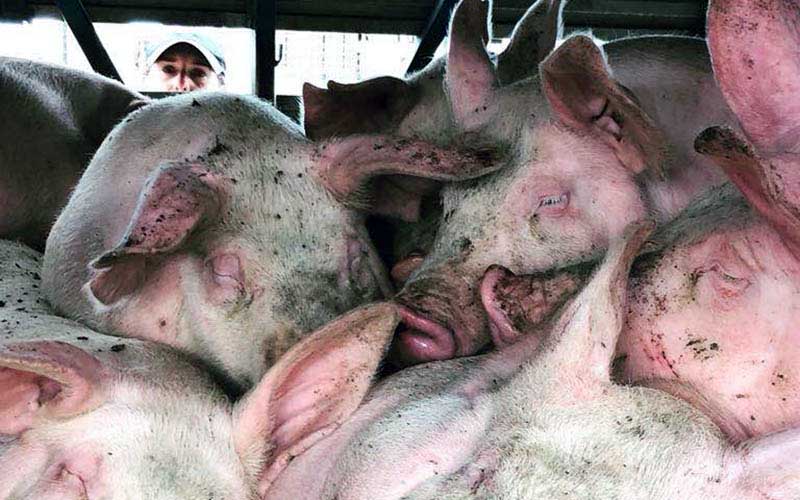
TRANSPORTATION When they are only a few months old, they are taken to the slaughterhouse where they are gassed to death in a CO2 well or hung upside down and slaughtered. Some are transported alive on ships on long voyages, often suffering from extreme temperatures. They are deprived of food, water and veterinary care, and many fall seriously ill or die during the journey. We have seen dead and dying (but still conscious) pigs being thrown overboard.
"In the dead of winter, there are always pigs stuck to the sides and floors of trucks, so you go there with wires or knives and cut into the flesh to detach them. Pigs are alive when you do. it." A slaughterhouse worker testifies.
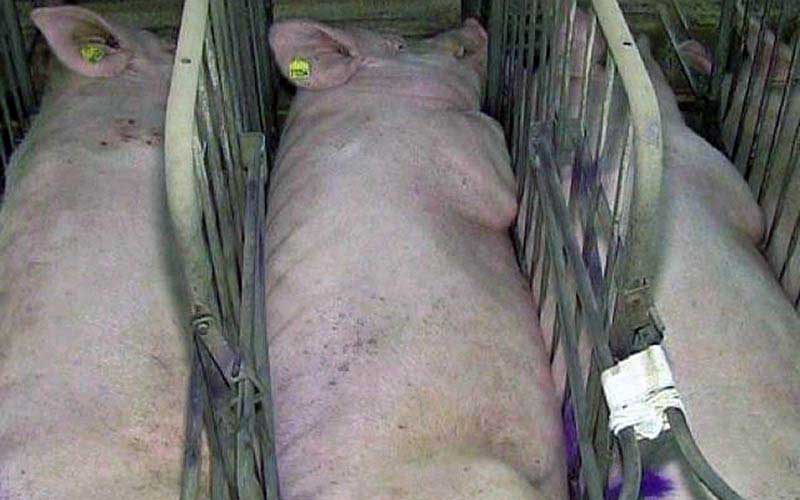
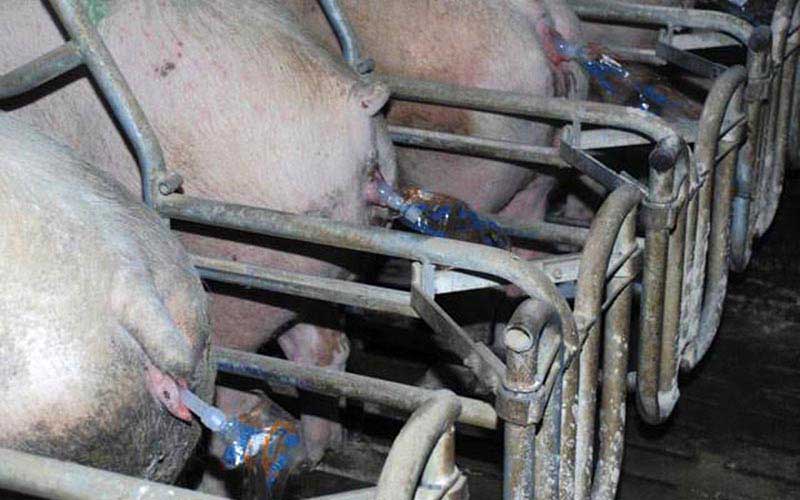
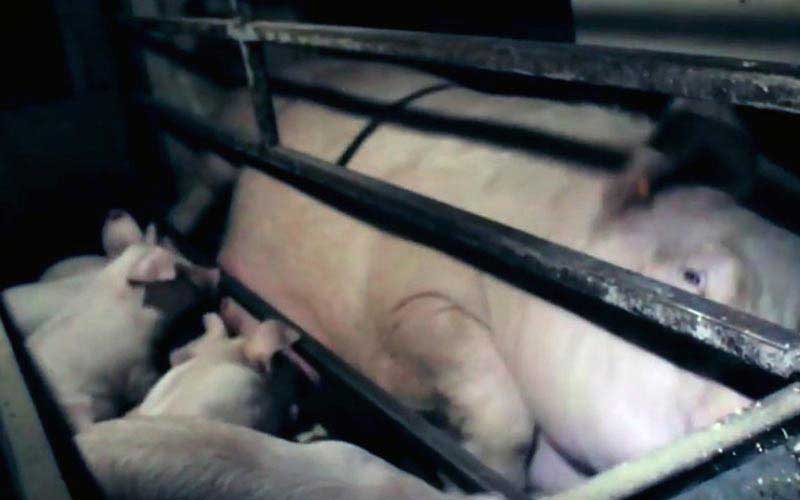
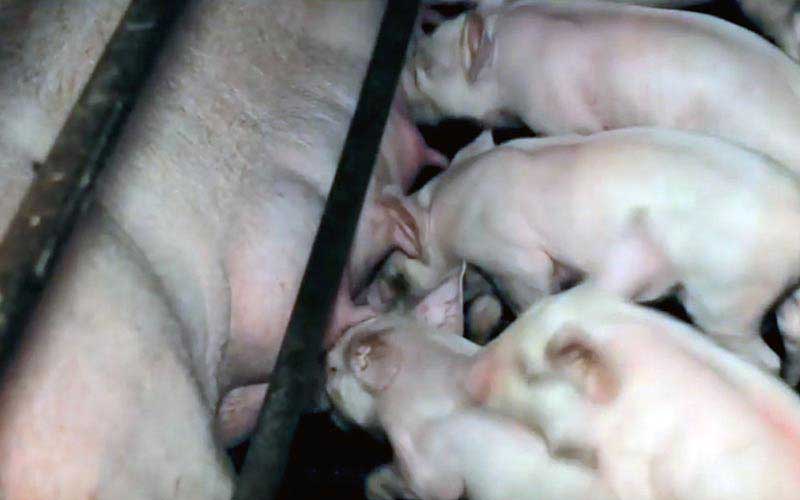
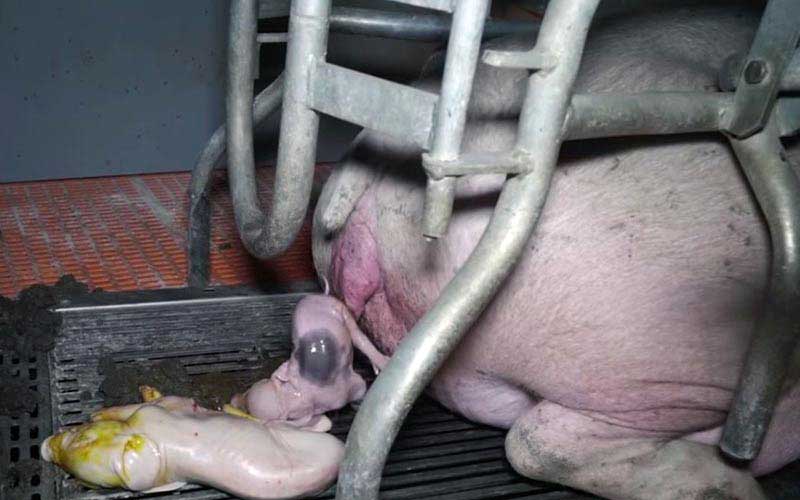
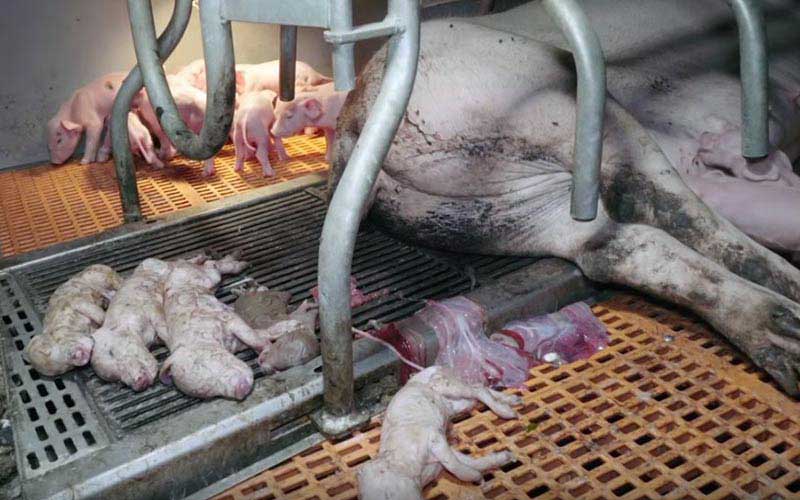
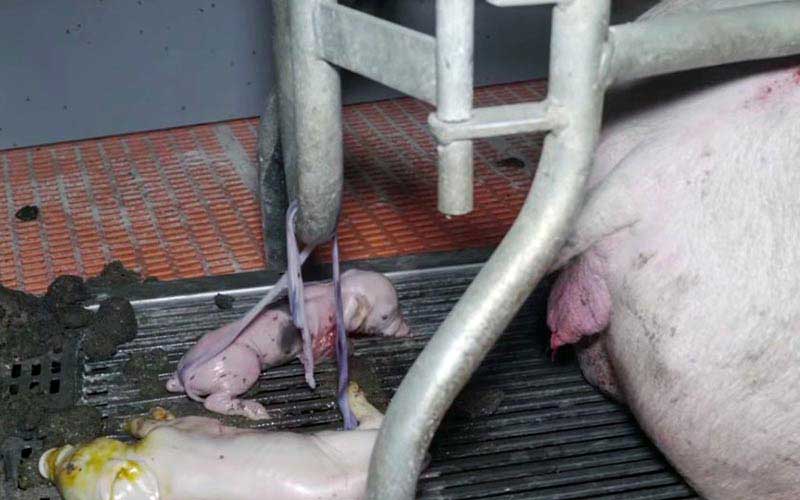
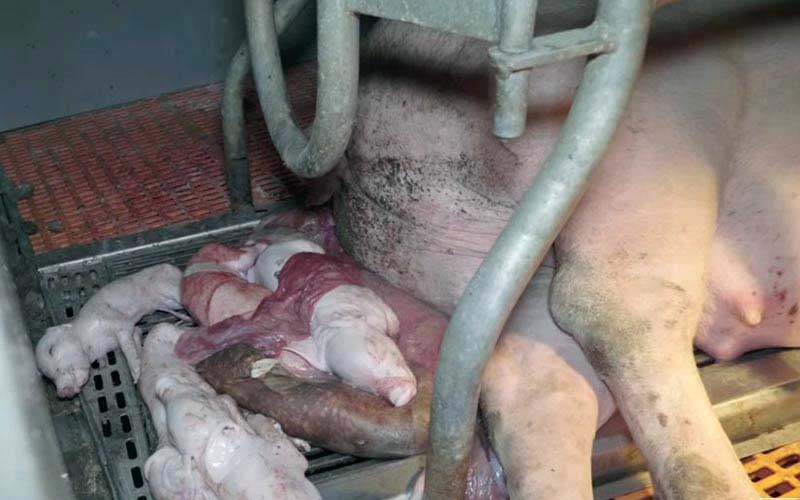
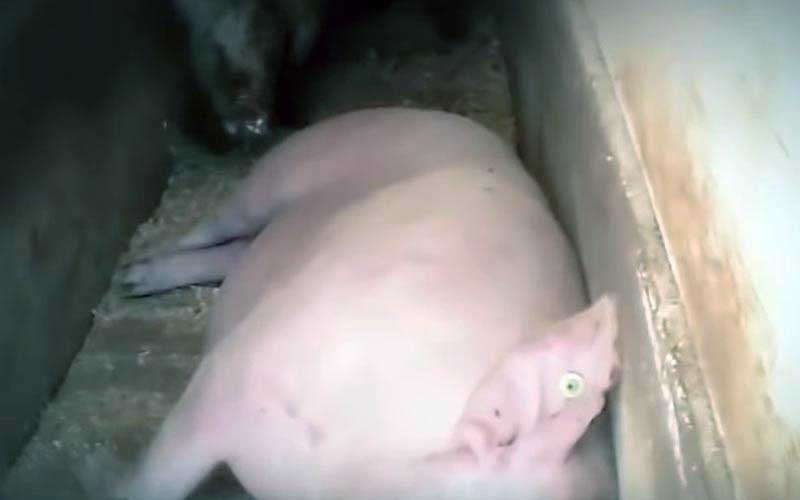
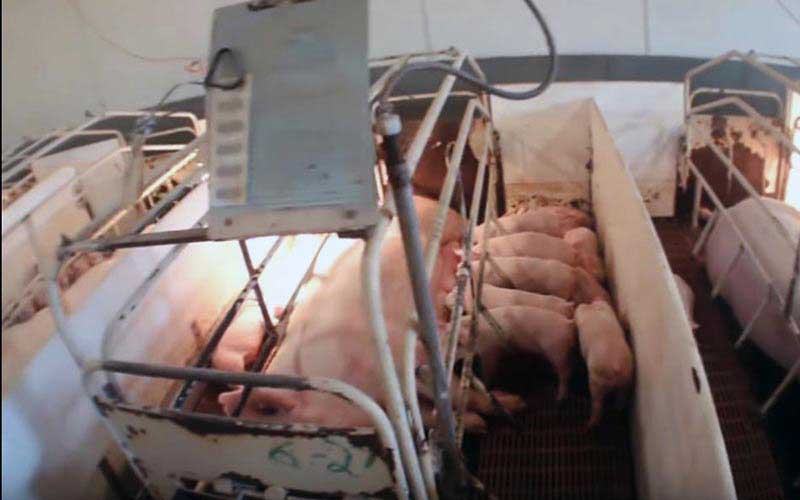
RAPE, KIDNAPPING, ABUSE Mother pigs are repeatedly forcibly inseminated. Each litter of piglets is pulled from them after just a few weeks and then sent to fattening pens before leaving for the slaughterhouse. During and after childbirth, sows are confined to gestation pens so narrow that they cannot even turn to their young, much less satisfy their nesting instinct.
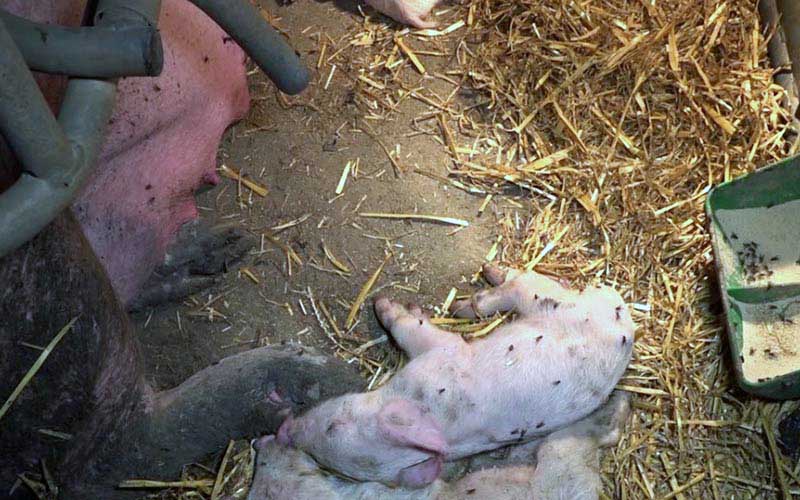
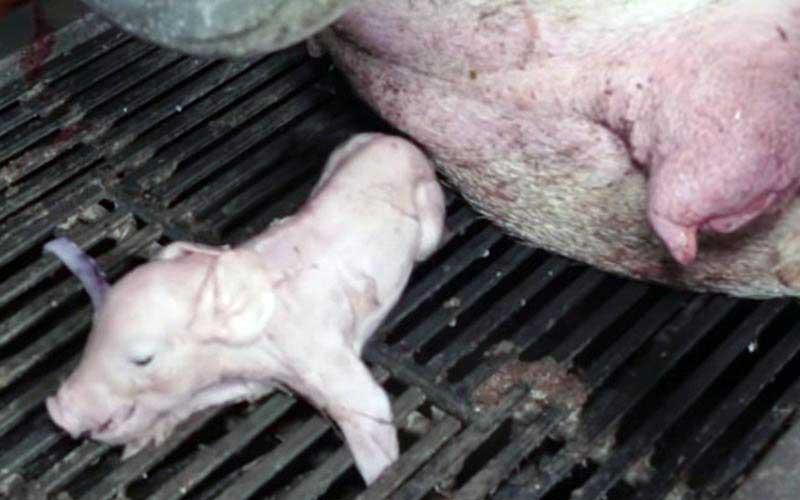
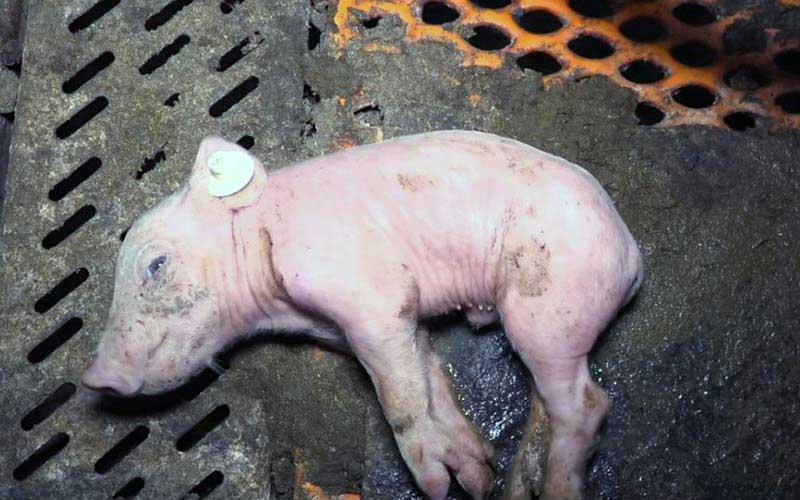
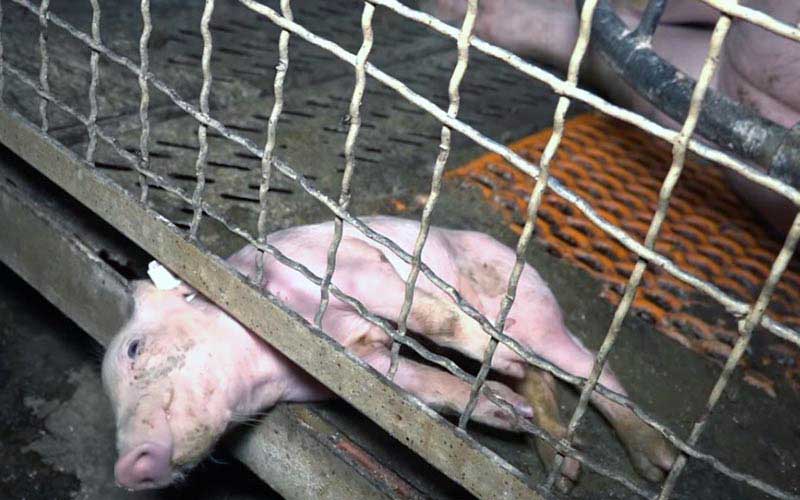
The paws of newborn piglets get stuck in the slits of the slatted floor (openwork floor). Many die at birth, sometimes crushed by their mothers.
EXPERIMENTS In laboratories, pigs used for experimentation are inoculated with disease, subjected to conditions to trigger depression, or mutilated to serve as a teaching model for plastic surgery techniques or to heal wounds. They are also used in atrocious military tests in which they are shot multiple times and subjected to explosions that cause serious injuries to test methods of treatment.
THE LEATHER Leather is a lucrative co-product of the meat industry, so pigs endure all the atrocities of intensive farming before they are killed and their skins used to make clothing, shoes and other leather goods. pork ”or“ suede skin ”.
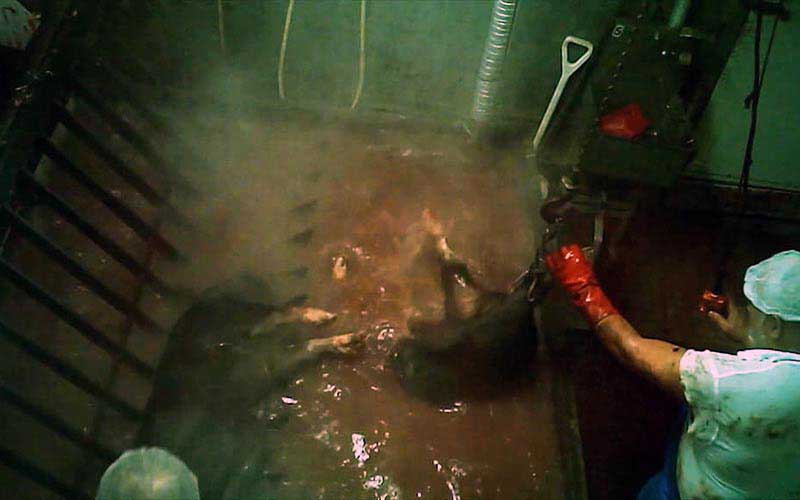
SLAUGHTERHOUSE At the slaughterhouse, the pigs are hung by the hind legs before being killed. The employees are in such haste that they stun them badly, and so they come to themselves and are conscious as they are bled to death and plunged into boiling water.
PRODUCTIVIDATED In the pig industry, the productivity gains obtained by zootechnics (genetic selection, food, breeding techniques, etc.) seem limitless. Year after year, they continue to make progress in pig farms, to the detriment of animal health.
Whereas breeding sows “produced” 16 piglets per year in 1970, they now give 29. To reach such figures, piglets are weaned always earlier, and the interval between weaning and new service is constantly reduced. The exhausted sows are sent to the slaughterhouse at the age of 33 months.
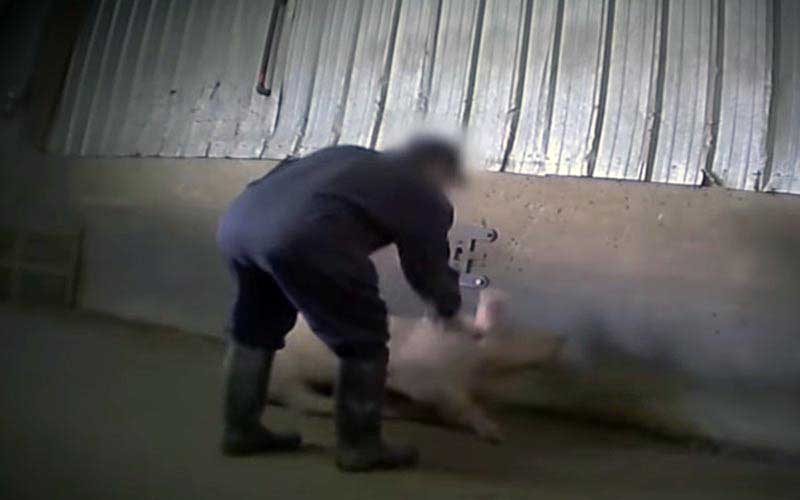
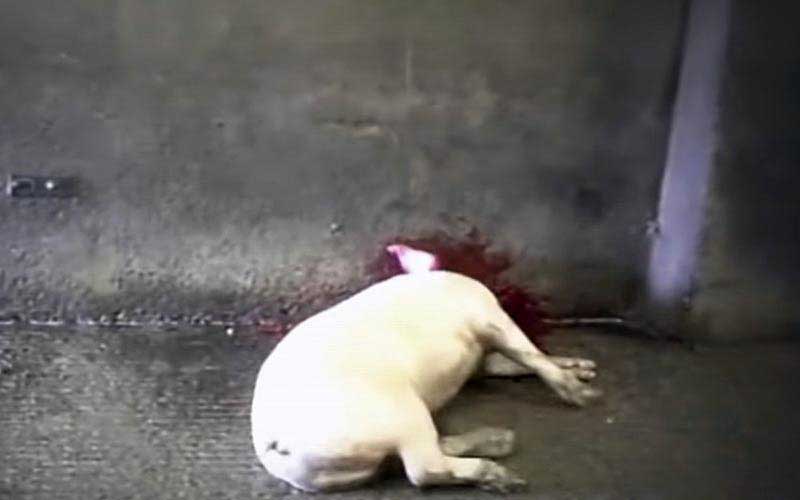
Fattening pigs also grow faster: they take 165 days today to reach a weight of 100 kg, compared to 200 in 197019. Poor piglets, considered non-viable, euthanasia by stunning against a wall, on concrete or with a sledgehammer.
AS PETS Those which are used as pets, will often be abandoned by their owners when its large size will have made it "cumbersome." Breeders often breed very young pigs to deceive buyers coming to view the litter and make them think the parents are adult-sized pigs.