





Potentially sensitive content.
Bulls 
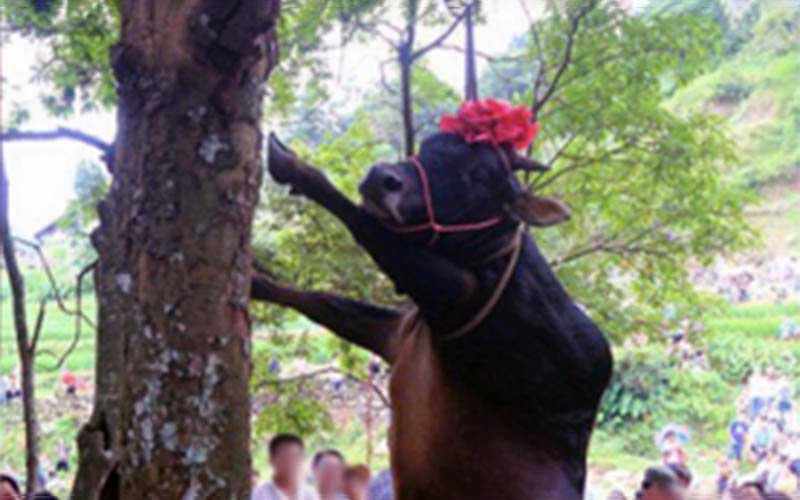
Barbarism, yes, but an art, no! Corrida: A tradition that must stop immediately. On the Web site CRAC EUROPE COMITÉ RADICALEMENT ANTI CORRIDA (French) we learn, at least in large part, the ordeal of the bulls selected for this sordid and cruel killing.
BREEDING : When breeding bulls are weaned with sticks in their noses to prevent them from sucking. They are branded with a hot iron and the ear markings are sometimes cut open with a knife. Bulls may also be subjected to a daily forced walking exercise in order to toughen them up.
TRANSPORTATION : Transporting bulls to bullfighting towns is a painful ordeal. Torn from their natural environment, these animals are locked in wooden containment boxes measuring less than 2 m2. The journeys from the south of Spain can take several days and the animals have no possibility of moving. Sometimes they are even made to travel on an incline. Beyond the resulting fatigue, they receive neither water nor food. As transport takes place mainly in the summer season, some piled up animals lose up to 30 kg in the overheated trucks. In 2001, several dehydrated bulls were found lifeless in these trucks. When they arrive at the arena, the bulls will then be shot out, with a stick, and curses, as they were taken on board, with the same delicacy.
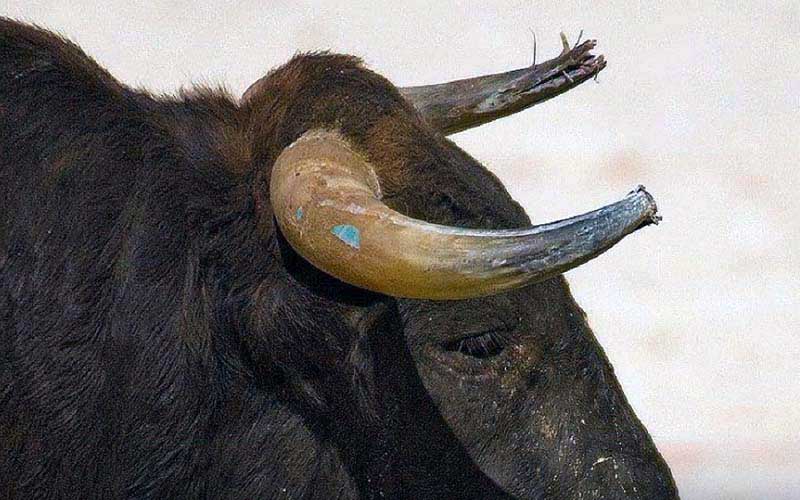
BEFORE THE "COMBAT" : Before the fight, parts of the animal's body may be weakened. The horns are frequently sawn up to ten centimeters of horn and then push the nerve back to the root, which is very painful and, in addition, causes the bulls to lose their spatial references. Massive doses of sedatives or anti-inflammatory drugs are also used in order to make the bull better resist the pain he will have to undergo. The bulls, who have a precise mental image of the length of their horns before mutilation, will therefore miss touching their torturers when they try to re-horn them, which reduces the risk of the bullfighters being injured. In addition, since the bull's horns are very sore, he will hesitate to use it to repel his attackers. During restraint in the winch box, the hooves can also be filed or even incised. Wooden wedges will then be inserted between the hooves. This operation will greatly destabilize the animal, which will find it difficult to remain quiet.
THE SHOW" : You don't have to be at a bullfight to understand what's going on.
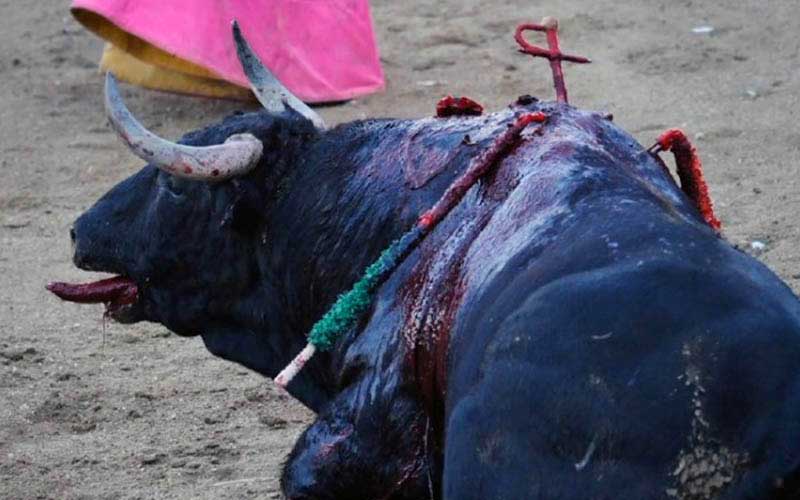
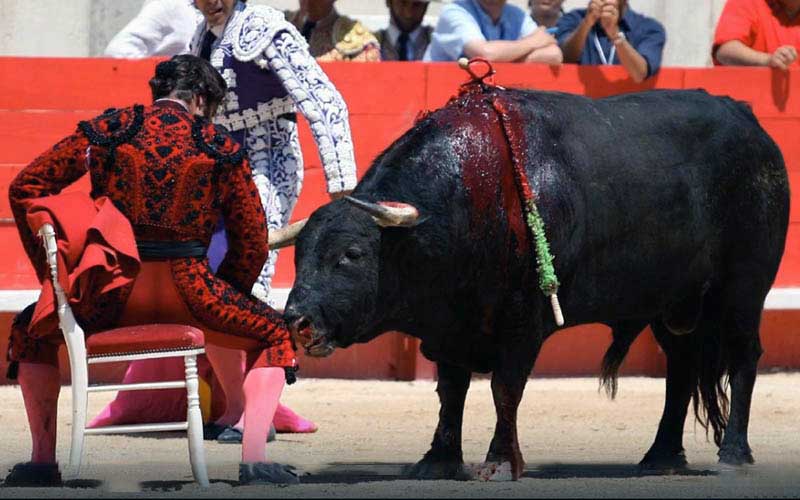
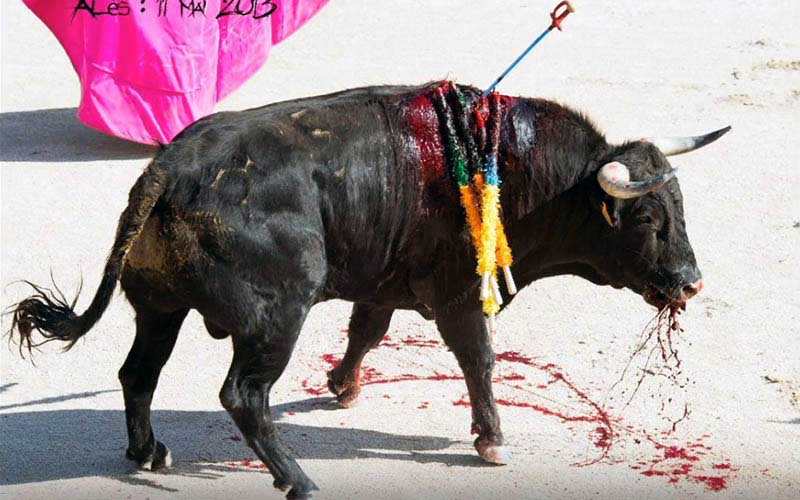
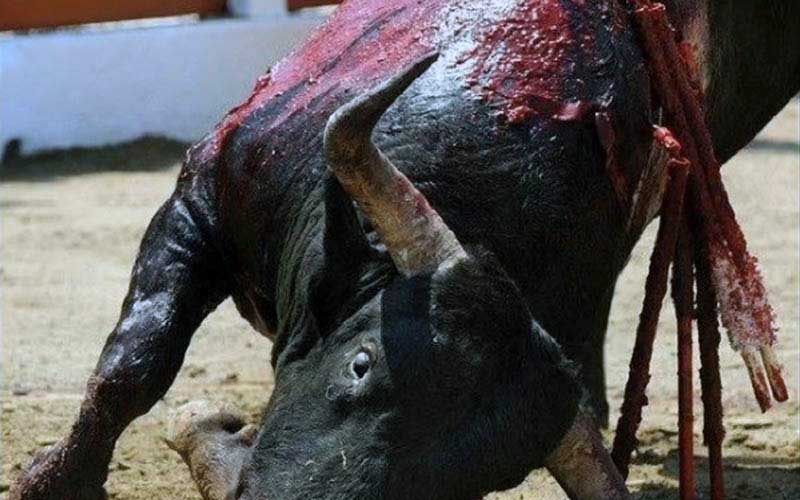
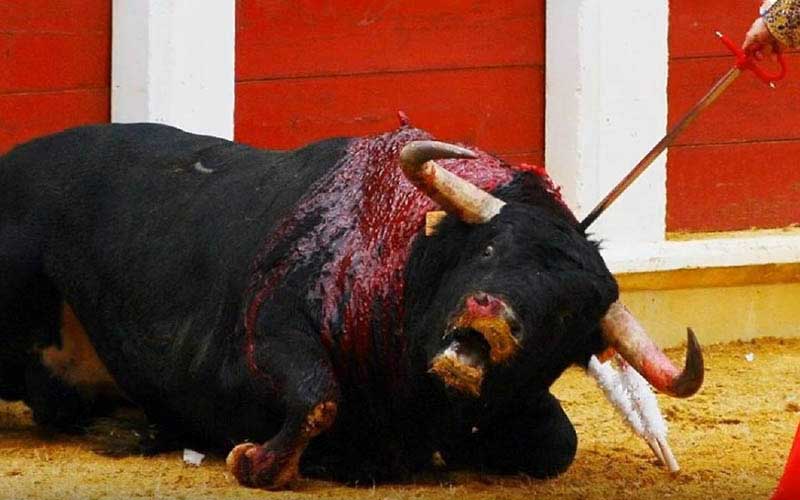
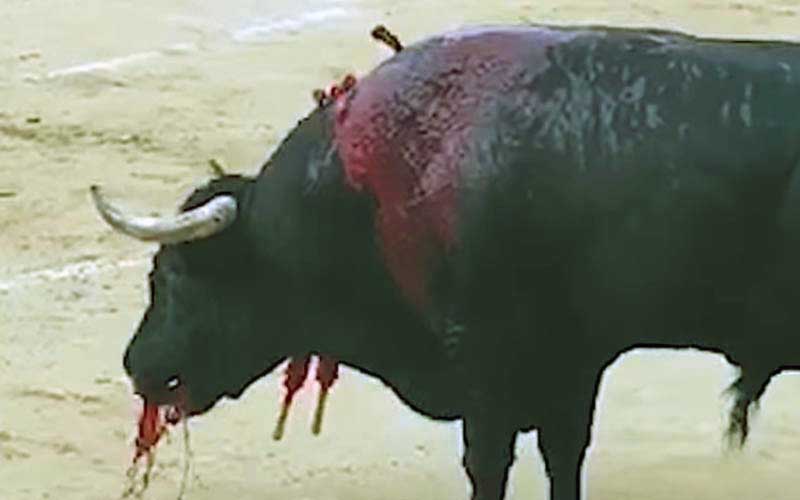
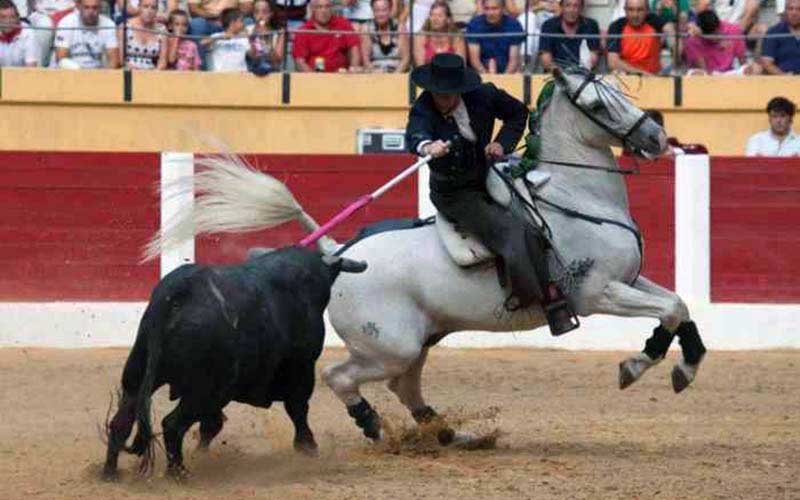
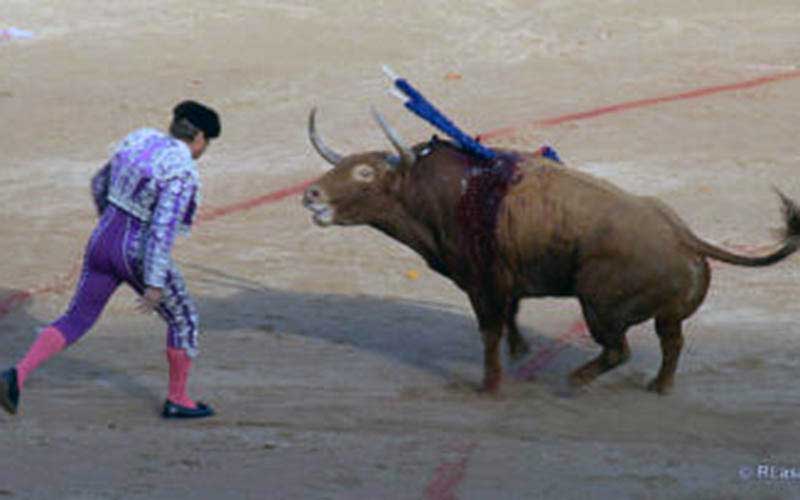
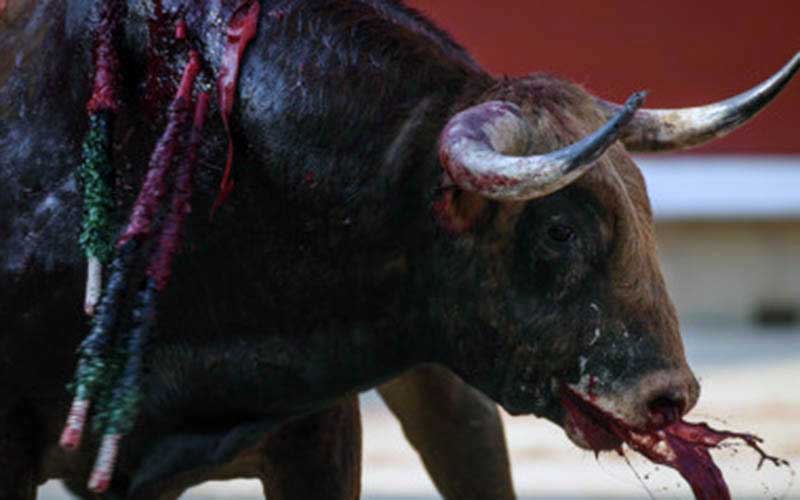
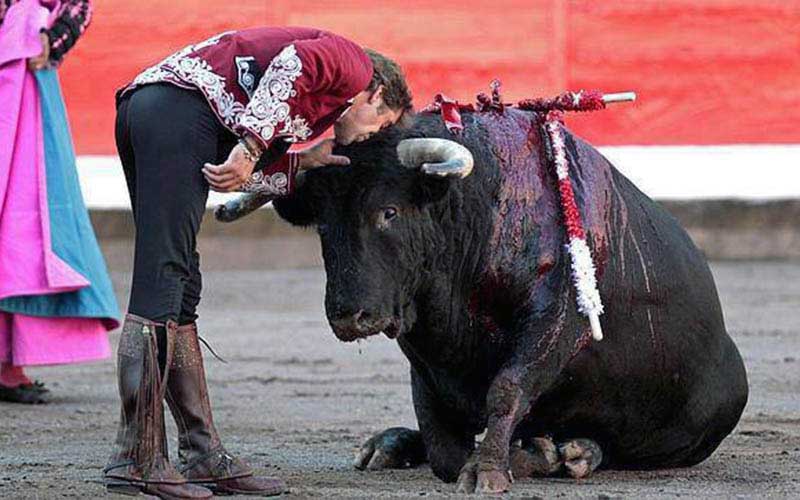
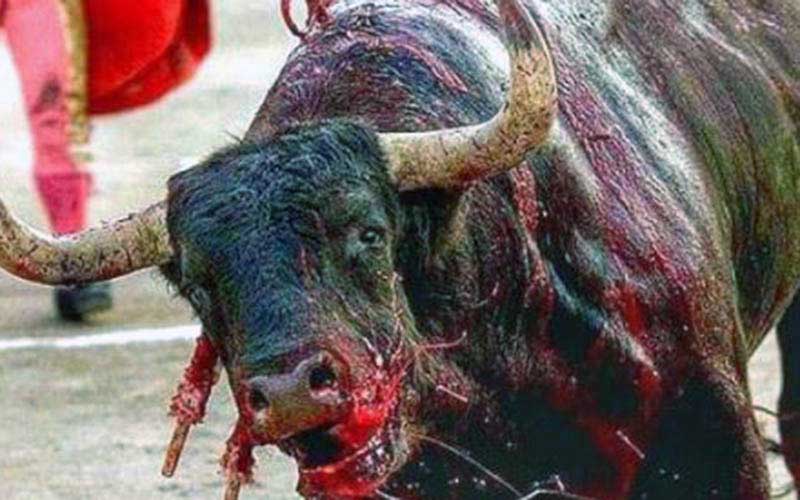
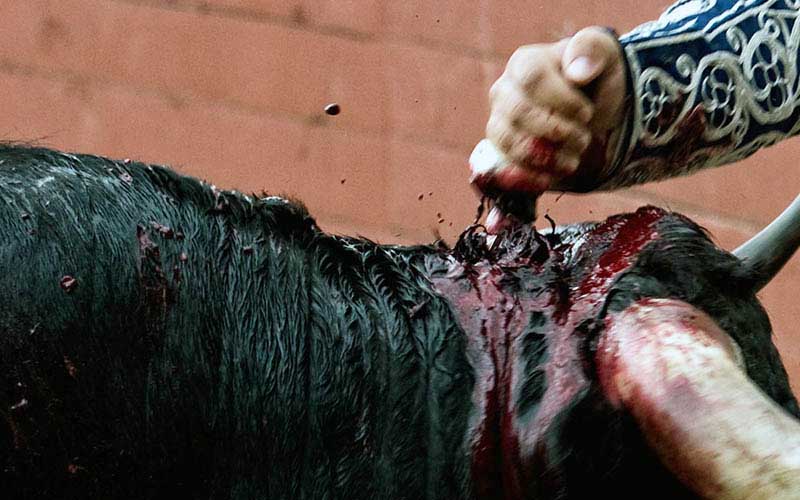
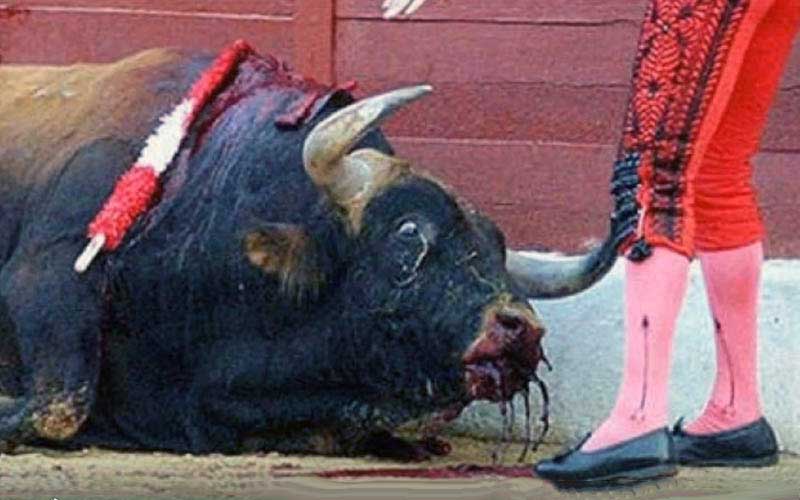
FIRST ACT (THE TERCIO DE PIQUE): In the first act, two picadors, plants of the pikes (the puyas) on the bull. Between the fourth and the seventh dorsal vertebra, the puyas, cut the levator and extensor muscles of the neck and between the fourth and sixth cervical vertebrae, they cut the ligaments of the neck. With each push of the bull, the spike sinks a little more, up to 20 cm thanks to a screwing movement. This is called "working the bull". Six to eight times in succession, the pike digs into the back of the animal. For the bullfighter, the benefits of a "job well done" are enormous. Indeed, the bull can no longer move its head and the guard down during the various passes and demonstrations. All danger, or almost, is eliminated. A false "bravery" effect is given by the impression that the bull will charge at any time.
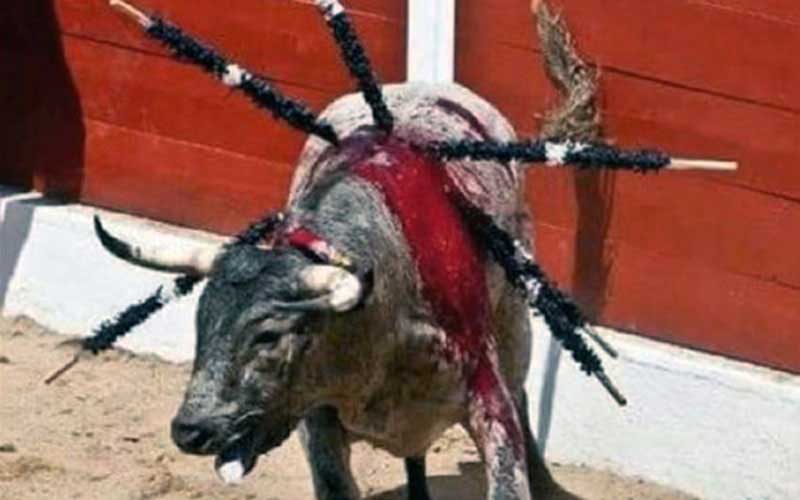
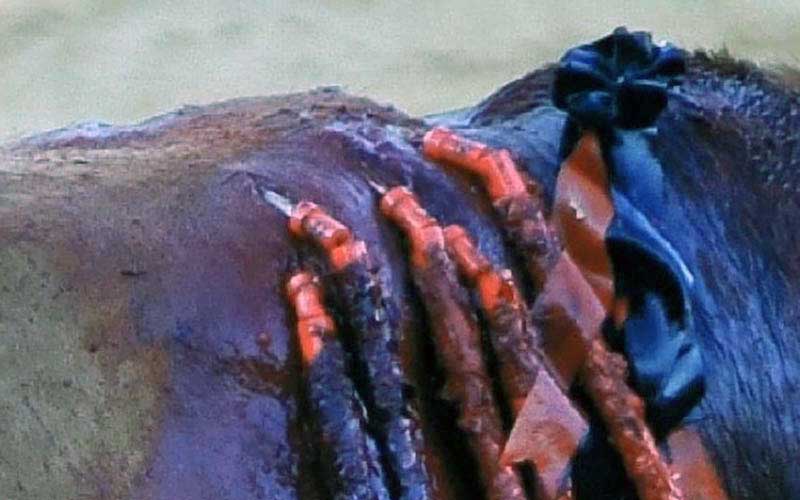
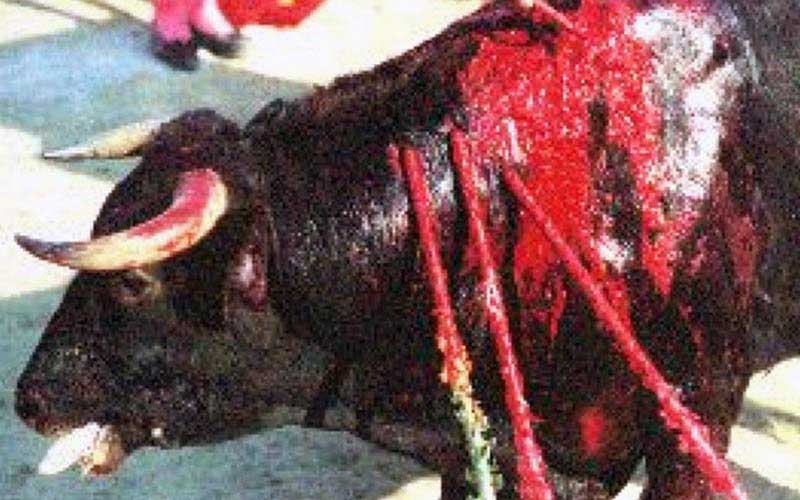
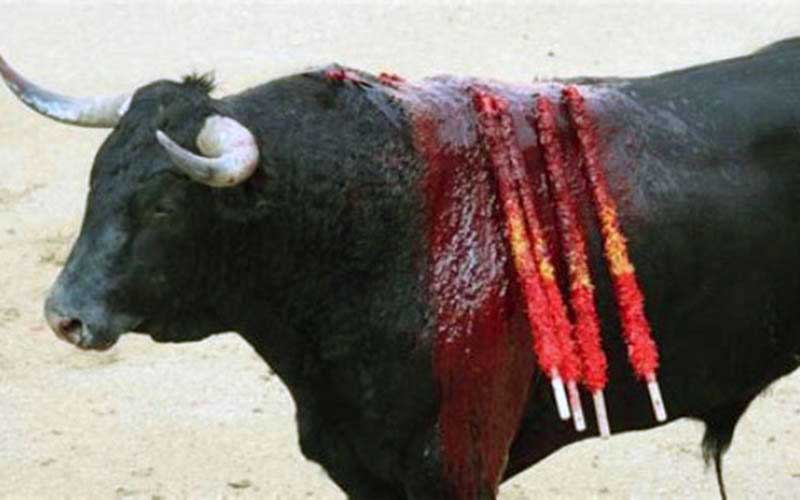
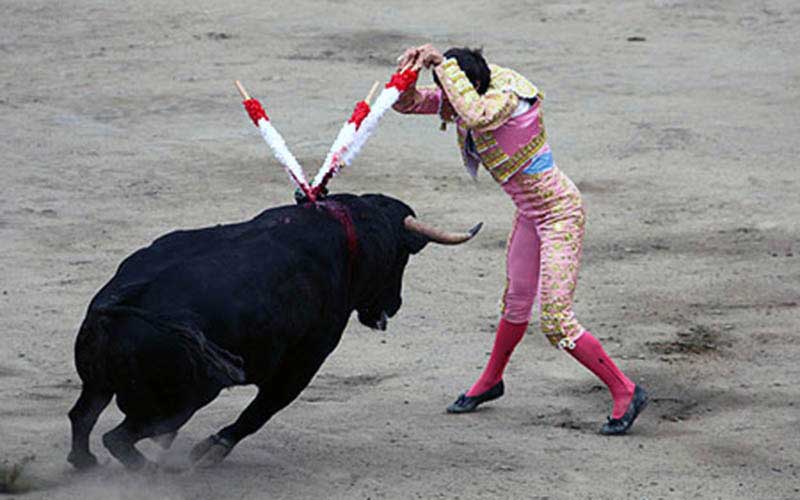
SECOND ACT (THE TERCIO DE BANDERILLES): This step is usually presented as a simple game of planting props on the back of the bull. Commonly called banderillas, these accessories are actually harpoons 5 or even 6 centimeters long, adorned with multicolored flowers that distract the public's attention. The shameful purpose of this "game" is to drain the blood of the animal to prevent it from having internal bleeding as a result of the "labor" of the picador. This is to ensure that the bull does not give way until the end of the show.
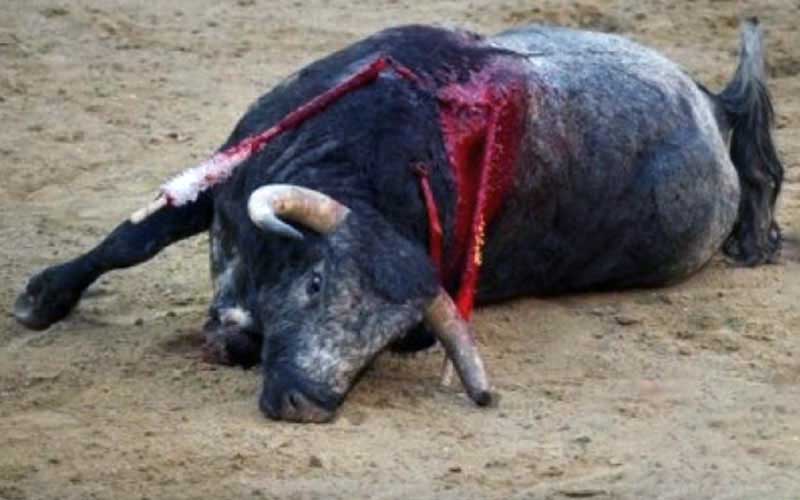
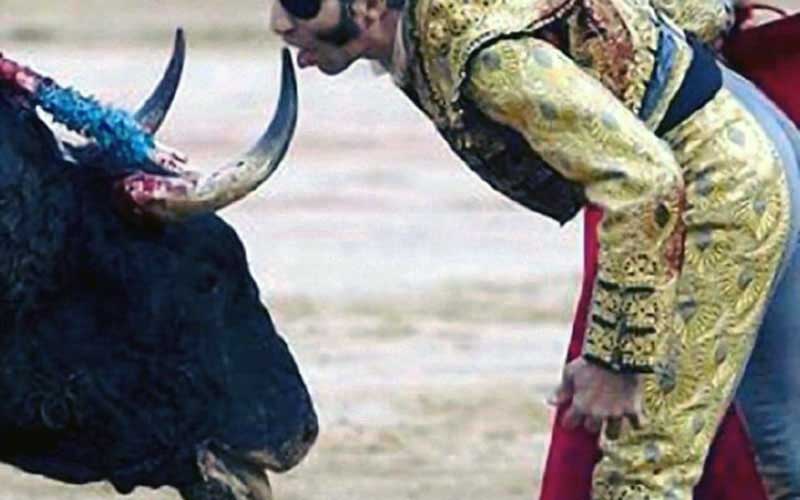
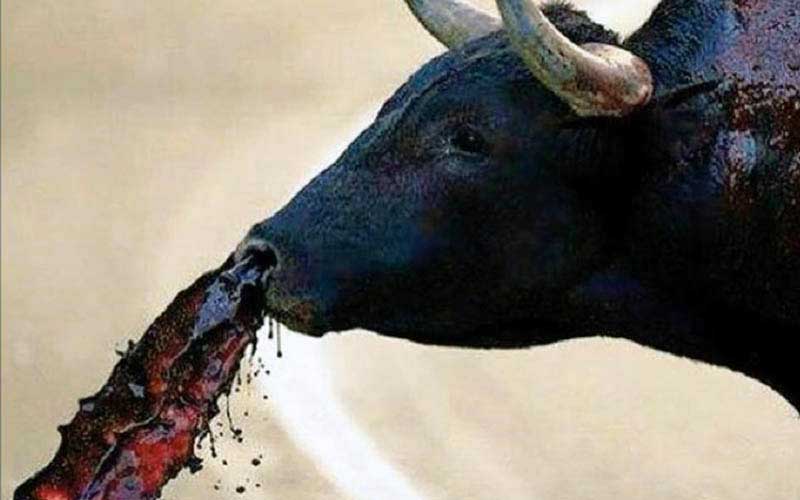
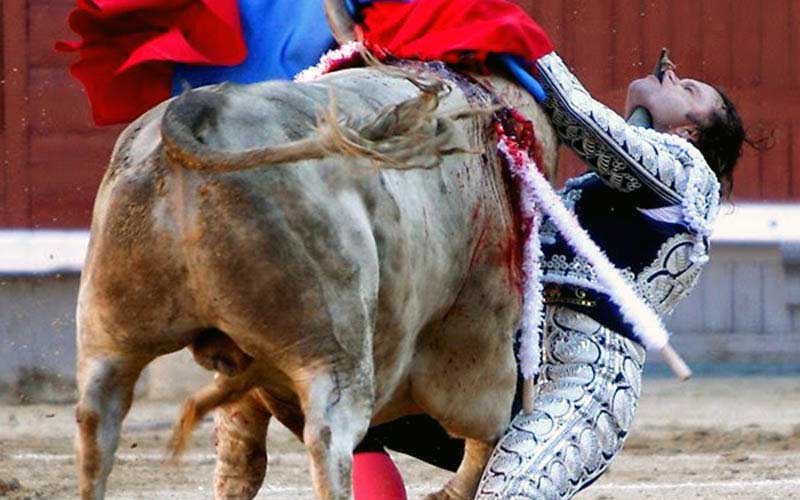
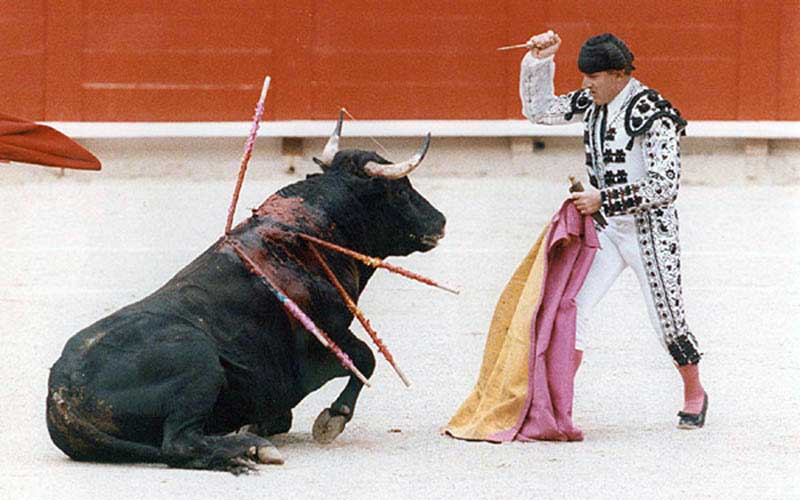
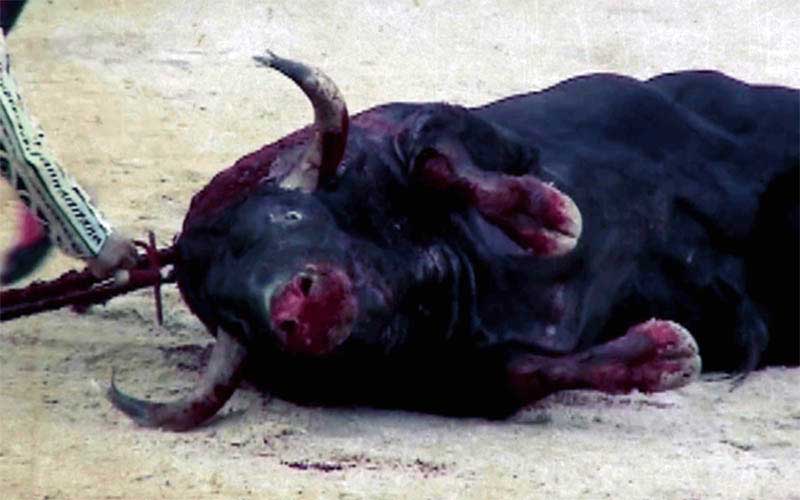
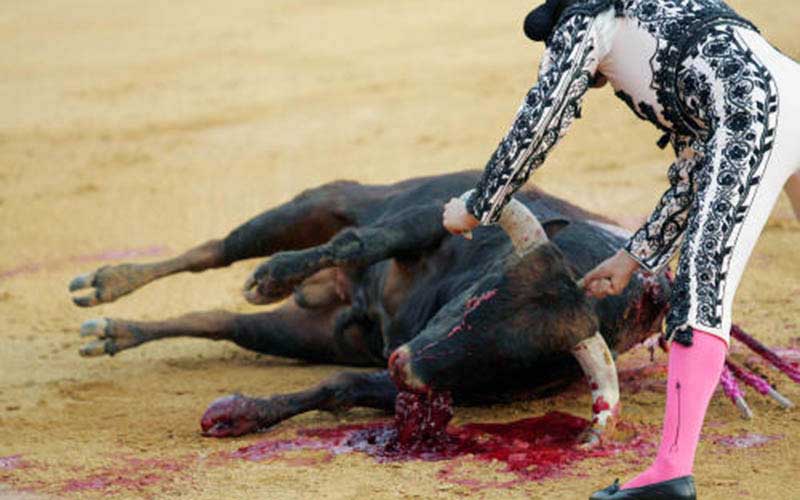
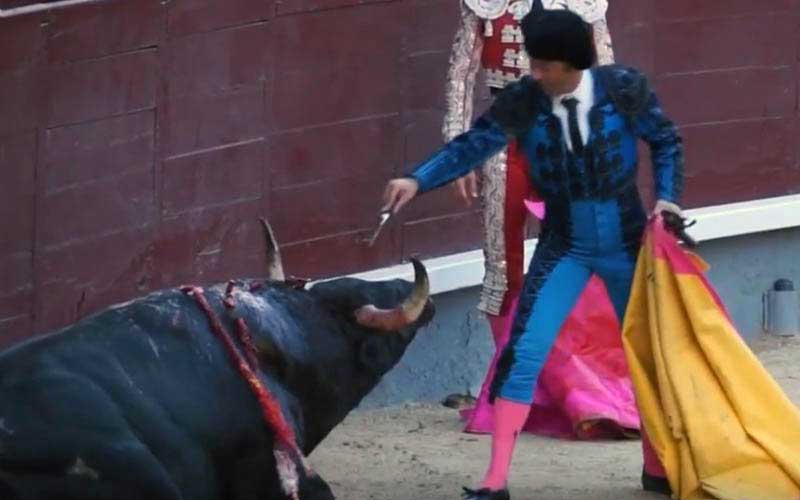
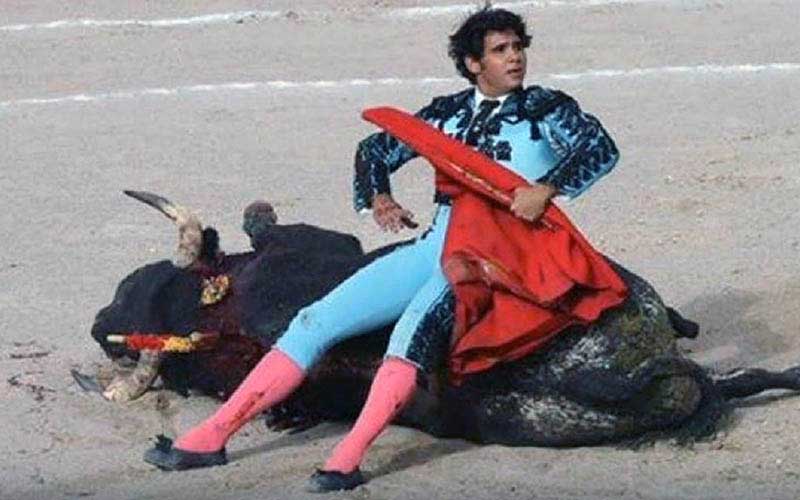
THIRD ACT (THE TERCIO DE DEATH): Third act takes place in the vast majority of bullfights: so-called “Spanish” bullfights. The peons again make several passes to the bull. They stimulate the exhausted animal a little more. The matador attracts and directs the bull's charges with the aid of his red cloth, further ridiculing and humiliating this poor, exhausted animal. He will then make him lower his head "obediently" in order to plant his sword in an already bloody tourniquet. Death then appears as a deliverance… and the matador - killer in Spanish - as a savior! But often the weapon is badly planted. It can come out through the flanks or pierce a lung. The victim then seemed to vomit his blood and died of suffocation from internal bleeding. When the first blow of the sword does not kill fast enough, a peon slips behind the victim and with a quick gesture, withdraws the sword. He then returns it to the matador who will start the killing again. It happens that the bulls receive six to seven sword blows, or more! When the bull has the “indecency” not to fall, which happens about one in three times, the killer finishes his sad task with the help of a specific sword, the descabello, planted between the two horns, to lacerate. the brain…
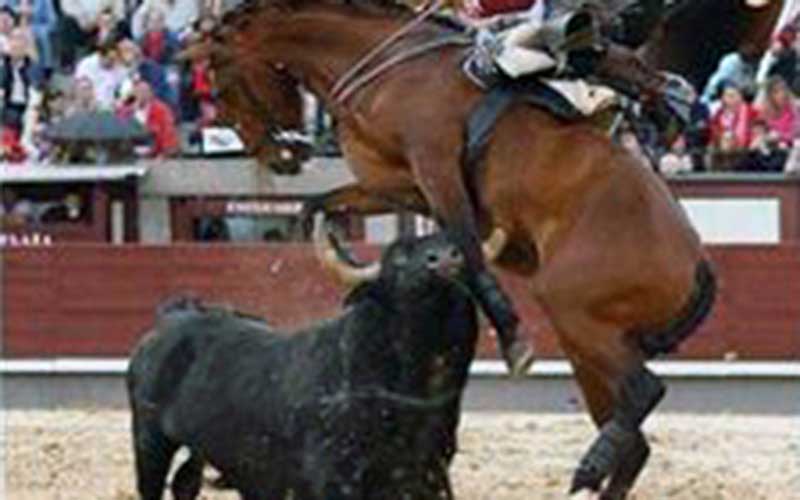
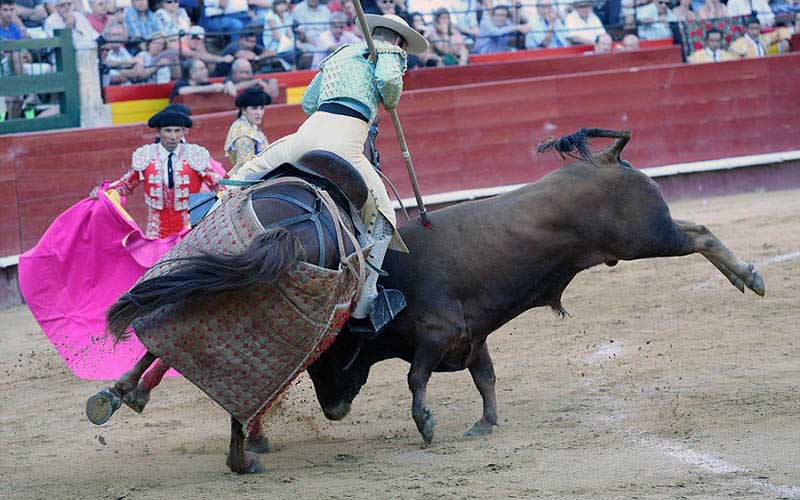
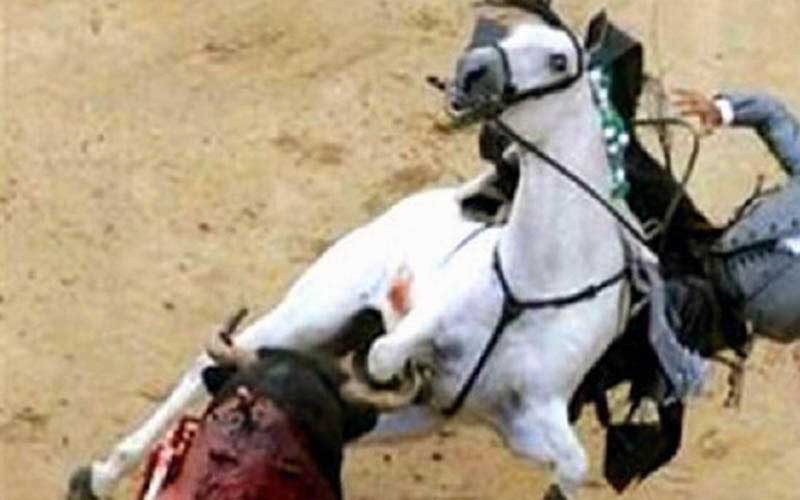
THE HORSES : When horses are used they are very often injured or killed.